What to Expect at Ludivine in Oklahoma City
Ludivine occupies a specific niche in Oklahoma City's restaurant landscape: a French-leaning establishment in Midtown that prioritizes ingredient-driven cooking without the formal dining rigidity that deters neighborhood regulars. This guide explains what Ludivine offers, how its approach differs from other local options, and whether its price point and menu philosophy align with what you're seeking.
The Restaurant's Core Identity
Ludivine operates as a casual fine-dining hybrid. The menu changes seasonally and frequently, built around available produce and proteins rather than a fixed set of signatures. This approach means you won't find the same dish twice in a calendar year, which appeals to diners who view restaurant visits as explorations rather than confirmations of expected flavors. The kitchen demonstrates technical skill—evident in sauce work, knife cuts, and plate composition—but the front-of-house remains approachable. Servers describe dishes matter-of-factly without theatrical uplift, and the noise level permits conversation.
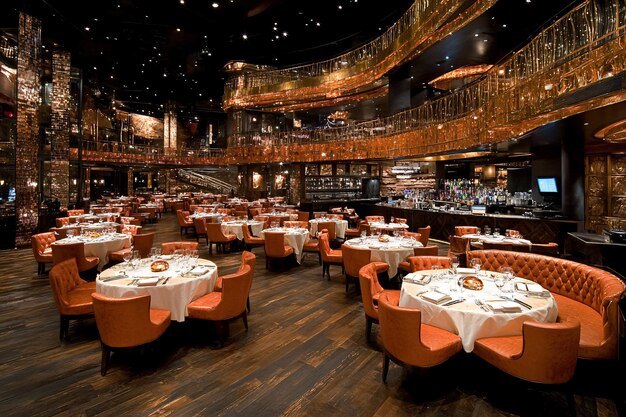
The restaurant sits in the Midtown district near NW 23rd Street, a neighborhood known for younger independent operators and mixed-use development. Parking is street-level or in nearby lots; there is no private lot. The dining room accommodates roughly 60 seats, split between bar seating and table sections.
Menu Structure and Pricing
Ludivine offers two formats: a la carte and a tasting menu. The a la carte menu typically features 4 to 6 appetizers, 4 to 6 mains, and 2 to 3 desserts, with prices ranging from $14 to $32 for appetizers and $24 to $42 for entrees. The tasting menu runs approximately $75 to $85 per person before beverages and gratuity. This pricing sits above casual-neighborhood restaurants (most entrees under $18) but below steakhouses and destination fine-dining establishments in Oklahoma City, which often exceed $50 per entree.
The wine list skews European with an emphasis on natural and biodynamic producers, reflecting a deliberate philosophy rather than a generic mark-up strategy. Wine by the glass starts around $10 and rarely exceeds $18, making the beverage program accessible if you are not committing to a bottle. Non-alcoholic pairings accompany the tasting menu.
Comparison to Other Oklahoma City Approaches
The Oklahoma City restaurant market includes several categories worth distinguishing from Ludivine. Turner Restaurant Group properties (Elote Cafe, Cattlemen's Steakhouse) emphasize regional sourcing and heritage technique but operate within defined, repeatable menus. Ludivine's refusal to lock in signatures means the commitment is to a cooking principle rather than a signature dish. This distinction matters: you return to Ludivine for the philosophy, not for the memory of a specific plate.
Pearl District establishments like The Red Cup (a cafe-bakery hybrid) and various ramen and pho houses serve faster turnover, lower price points, and clear category identities. They occupy a different temporal slot in dining—quick lunch, casual dinner. Ludivine assumes a 90-minute to 2-hour commitment and expects the diner to engage with the menu as written rather than modify it heavily.
Upscale hotel restaurants (The Loaded Bowl at the Skirvin, for instance) provide polished, predictable experiences designed for business meals and special occasions. Ludivine operates outside that corporate structure, which translates to less consistency in some operational details (noise, pacing, table spacing) but also more owner-driven decision-making about what appears on the plate.
What the Kitchen Prioritizes
The technical foundation relies on French fundamentals: stocks, mother sauces, classical knife cuts, and plating principles that do not announce themselves. The kitchen also sources heavily from local and regional purveyors, a constraint that shapes the menu's seasonal specificity. In spring, expect vegetable-forward plates; in winter, more reliance on preserved ingredients and proteins.
Ludivine does not operate with dietary restrictions as forbidden territory, but they are not the menu's organizing logic. Vegetarian accommodations exist but are not separate; if you order the tasting menu, you will receive a version adjusted for what you eat, rather than a predetermined vegetarian track. This requires transparency during the reservation or ordering process.
The beverage program extends beyond wine. Cocktails are classically constructed, often exploring French liqueurs and combinations not common in Oklahoma City's other cocktail programs. The bar staff generally possesses deeper knowledge of spirit provenance than breadth of contemporary craft cocktail technique.
Practical Considerations
Reservations are necessary, particularly Thursday through Saturday. The restaurant does not accept walk-ins during peak hours and often has limited walk-in capacity even during slower periods. Reservations are managed through the restaurant's website or by phone; these are preferred to third-party platforms because they allow the staff to note special requests or dietary information directly.
The dress code is unwritten but practical: no athletic wear, nothing that reads as explicitly beachwear, otherwise flexible. Jeans are acceptable; t-shirts with logos are discouraged but not explicitly forbidden. Business casual is a safe assumption.
The restaurant does not offer a separate bar menu with reduced pricing, so if you're seeking an economical eat at the counter, Ludivine is not structured for that use case. The bar seats offer the same menu at the same prices, simply a different viewing angle of the kitchen.
Parking is straightforward but not designated. Street parking is available; nearby lots are affordable and short-walk distance.
When Ludivine Fits Your Needs
Choose Ludivine when you want cooking skill and ingredient focus, can commit time to a multi-course progression, prefer European flavor logic to fusion or heavily spiced cuisines, and are willing to pay mid-tier fine-dining prices without the formal trappings. It suits celebratory meals, restaurant-focused friendships (the kind where you discuss the food afterward), and occasions where you want technique to be visible without dominating the room.
Skip Ludivine if you need a specific dish to exist on a return visit, require a quick meal, want heavy portions, or prefer cuisines grounded in non-European traditions. The Midtown area contains many options for those priorities.
Ludivine's actual value is not novelty or Instagram-ability. It is the discipline of seasonal cooking and the refusal to staff-train toward a fixed menu, which eliminates the plateauing that occurs in long-standing restaurants. If that philosophy matches how you think about dining out, the price is justified.