Where to Eat Fresh Produce and Prepared Food at Hatch in Oklahoma City
Hatch operates as a produce market and prepared-food counter in Midtown Oklahoma City, serving as both a retail grocer focused on seasonal and local sourcing and a casual dining option for customers who want to eat immediately rather than cook at home. This guide covers what to expect when you visit, how Hatch's model differs from conventional supermarkets and restaurants, and which meals and products justify a trip depending on your priorities.
What Hatch Actually Is
Hatch functions as a hybrid: the front half stocks produce, pantry items, and packaged goods; the back operates a kitchen with a short menu of prepared dishes. You can buy vegetables to take home or order a finished plate to eat at one of a few tables on-site. This structure appeals to two distinct customer types. One buys groceries with an emphasis on quality and seasonality. The other skips the cooking step and treats Hatch as a quick-service restaurant. Understanding which you are matters because your experience will differ accordingly.
The produce selection rotates based on availability and partnership with local growers in central Oklahoma and the surrounding region. Hatch does not stock every item year-round; instead, inventory reflects what grows or sources well at the moment. If you visit expecting to find a specific vegetable and it is not there, it may be out of season or unavailable from their suppliers that week. Call ahead or check what is currently featured if you are planning a meal around a particular ingredient.
The Prepared Food Component
The kitchen menu changes regularly, usually daily or weekly depending on produce availability and the kitchen's focus. Expect sandwiches, salads, grain bowls, and seasonal entrees. Prices for prepared items typically fall between $12 and $18 for a single entree, positioning Hatch above fast-casual chains like Chipotle but below sit-down restaurant pricing. A sandwich with a side and drink will run roughly $16 to $22 total.
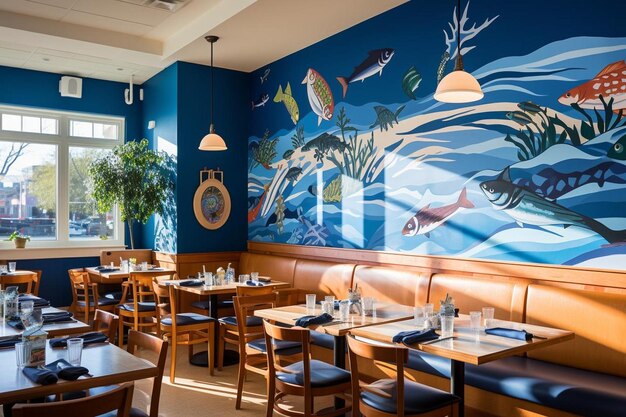
The practical advantage of eating here rather than buying ingredients is time: you leave with a complete meal in under 15 minutes from order to hand-off. The trade-off is that sitting space is minimal. Hatch is not designed for lingering. A few tables exist, but they fill quickly during lunch. Many customers take their food to go or eat standing at a counter. If you prefer a proper restaurant experience with comfortable seating and table service, Hatch will feel cramped.
Produce Quality and Sourcing Philosophy
Hatch prioritizes direct relationships with growers rather than sourcing through broad wholesale distributors. This typically means produce arrives within days of harvest, which affects both shelf life and flavor. A tomato from a local farm picked the day before will taste sharper and stay firm longer than one shipped from thousands of miles away. You will pay more for this immediacy. Expect produce prices 20 to 40 percent higher than supermarket chains like Walmart or Crest Foods, where costs are subsidized by volume and long-distance logistics.
The higher cost makes sense for certain items: berries, stone fruits, leafy greens, and tomatoes benefit visibly from freshness. Produce like potatoes, winter squash, or onions, which store well regardless of origin, may not justify the premium. Buy strategically. Use Hatch for ingredients you plan to eat within a few days. Use conventional grocers for bulk pantry staples and items you will use over weeks.
Neighborhood Context
Hatch sits in Midtown, a neighborhood between downtown and the Paseo Arts District. Nearby dining includes barbecue at Cattlemen's Steakhouse, Thai at Basil, and coffee at various cafes. Midtown is walkable and has increased foot traffic over the past decade, though parking is available on-street and in adjacent lots. If you are already in the neighborhood for other reasons, stopping by Hatch adds minimal friction to your day. If you are driving from outside Midtown specifically for Hatch, factor in the detour time.
The neighborhood also contains younger residents, office workers, and people shopping in the surrounding retail mix, which affects the vibe. Hatch attracts a health-conscious and local-food-oriented crowd but is not exclusive; anyone can shop there. However, if you expect a trendy or Instagram-friendly aesthetic, you may find the space functional rather than designed.
What to Buy vs. Skip
Buy produce for immediate use, especially leafy greens, berries, and anything labeled as from a specific local farm. Buy prepared meals if you want lunch without cooking and can eat quickly. Buy specialty pantry items like olive oil, vinegar, or preserved goods that stock higher-quality brands than conventional grocery stores.
Skip produce if you are stocking a freezer or pantry for the week ahead; the premium does not pay off. Skip the prepared food if you have dietary restrictions or prefer customization, since the menu is set daily and accommodations are limited. Skip a special trip if you live far outside Midtown; the value proposition works best when Hatch fits into your existing route.
Hours and Verification
Hatch typically operates during weekday business hours and weekend mornings, closing in early afternoon or evening. Specific hours shift seasonally and by day of week. Call or check their online presence before making a special trip, as hours are the one detail most likely to change without notice.
The Practical Reality
Hatch works best as a supplement to, not a replacement for, your main grocery shopping. Visit when you want lunch without cooking or when you need high-quality produce for a specific meal planned within two days. The model is sustainable for small-batch, quality-focused buying, not for full weekly groceries or budget-conscious households. If those describe you, a conventional supermarket remains more efficient. Hatch fills a specific need: immediate, local, and fresh food at a faster pace than cooking from scratch but with standards higher than what chain restaurants typically offer.