Where to Shop for Organic Produce and Local Goods in Oklahoma City
Green Acres Market operates as Oklahoma City's longest-running natural foods cooperative, located on the northside near the Paseo district. This guide covers what you'll find there, how it compares to other local options for organic shopping, pricing relative to chain alternatives, and whether membership makes financial sense for your household.
Layout and Product Range
The store occupies roughly 8,500 square feet on NW 23rd Street. The produce section takes up the front third, with coolers running the perimeter for dairy, meat, and prepared foods. Bulk bins line the back wall, a practical setup that lets you buy exact quantities of grains, nuts, and spices without packaging waste.
The meat counter stocks local beef from Oklahoma ranches when available, though availability depends on season and supplier inventory. The deli prepares hot foods daily, mostly vegetarian options and simple proteins. Prices for prepared items typically range from $8 to $14 per pound, comparable to what you'd pay at Whole Foods in the Midtown or Bricktown areas but generally lower than grocery store deli counters.
Produce rotates by season and supplier relationships. In summer, you'll see tomatoes, peaches, and okra from Oklahoma farms mixed with year-round staples. Winter narrows the local selection, shifting toward root vegetables and storage crops. Unlike supermarket organic sections, nothing here comes from a distant warehouse unless no local option exists that week.
The bulk section is the strongest reason to shop here if you cook from scratch regularly. Organic quinoa costs roughly $6 per pound when you buy exactly what you need, versus $8 to $10 for a pre-packaged equivalent at chain grocers. This advantage compounds if you buy five or more items from bulk bins monthly.
Membership Model and Pricing
Green Acres operates as a co-operative, which means shoppers can become owner-members. The membership fee runs $80 annually or $40 for a second household member in the same residence. Members receive a discount on most purchases, typically 5 to 15 percent depending on item category. Non-members pay full retail and can shop anytime without restriction.
The math shifts depending on your spending habits. If you spend $150 monthly and save 8 percent as a member, you recover the annual fee in ten months. After that, membership generates real savings. For households spending under $100 monthly, the fee takes longer to justify. The store also runs periodic sales and specials for members only, announced through an email list.
Workers receive a partial ownership stake if they work three or more shifts weekly, a structural difference from conventional retail. This sometimes affects service speed during busy hours, but the tradeoff tends toward staff knowledge of products and willingness to answer questions about sourcing.
How Green Acres Compares Locally
Oklahoma City has expanded organic and natural foods options significantly since 2015. Your realistic local choices include Green Acres Market, Whole Foods in the Midtown area, conventional supermarkets with organic sections, and farmers markets operating seasonally.
Whole Foods carries broader selection and longer hours (typically 8 a.m. to 10 p.m. daily), but prices run 12 to 20 percent higher on comparable items. A pound of organic spinach costs roughly $6 at Green Acres and $7.50 at Whole Foods; organic ground beef sits around $8 per pound at Green Acres versus $10 at Whole Foods. Whole Foods does stock prepared foods with more variety, a factor if you want grab-and-eat options rather than cooking from raw ingredients.
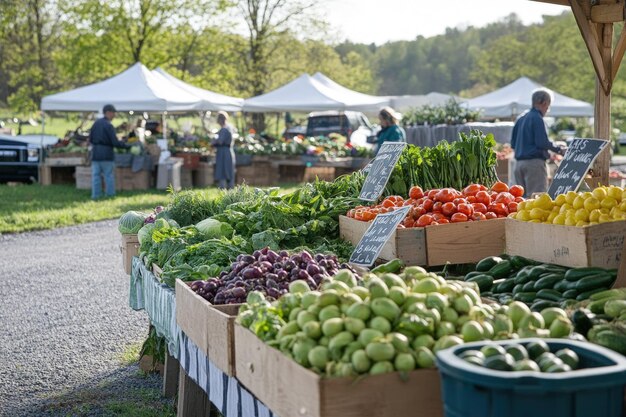
The Farmer's Market at Bricktown (open Saturdays late April through November) offers lower prices on in-season produce and direct relationships with growers, but selection drops sharply in winter months. You'll also find prepared foods and value-added products like jams and baked goods, but the vendor mix rotates weekly.
Conventional supermarkets like Albertsons and Sprouts near midtown carry organic sections at lower absolute prices, but the selection skews toward national brands in packaging rather than local sourcing or bulk options. If your priority is organic certification rather than local origin, you'll find lower prices there.
Hours, Location, and Practical Details
Green Acres operates Monday through Saturday, 9 a.m. to 6 p.m., and Sunday 11 a.m. to 5 p.m. The store sits roughly ten minutes north of downtown via N Meridian, making it accessible from Edmond and north OKC neighborhoods. Parking fills the adjacent lot and street frontage; Saturday afternoons bring crowding that can make finding a spot difficult.
The neighborhood immediately around NW 23rd does not have major chain competitors within walking distance, meaning this is essentially your only natural foods option if you live in that area. The Paseo arts district is a five-minute drive south, relevant if you're planning an afternoon combining shopping with galleries or restaurants.
Return policy allows unopened items back within two weeks with a receipt. Produce and bulk items cannot be returned. The customer service desk handles this, located near the front entrance.
Who Should Shop Here
Green Acres makes the most sense for households that cook most meals at home, buy produce weekly, and purchase items in bulk. If you need prepared foods and convenience items, the limited deli selection and cooler space make Whole Foods or supermarkets more practical. If you want the absolute lowest organic prices, conventional supermarkets will beat Green Acres on packaged items, though not on bulk or local meat.
The cooperative model works best if you value supporting local ownership and are willing to trade selection breadth for ethical sourcing commitments. The store explicitly prioritizes Oklahoma and regional suppliers over national organic brands, a structural choice that shapes what you'll find on shelves.
Shop here if you're within the northside area and want to reduce packaging waste through bulk buying. Shop elsewhere if you need convenience, breadth, or lowest-price guaranteed organic products.