What Golden Palace Represents in Oklahoma City's Chinese Restaurant Landscape
Golden Palace occupies a particular position in Oklahoma City's Chinese dining options: it's the establishment most locals point to when they want reliable Cantonese-style cooking without navigating the steeper price points or reservation requirements of upscale Pan-Asian venues elsewhere in the metro. This guide explains how it fits into your actual choices, what separates it from competitors, and whether the trade-offs match your expectations.
The Cantonese Standard in a City Short on Regional Specificity
Most Chinese restaurants in Oklahoma City operate within a broad "Chinese-American" framework, meaning dishes calibrated to American palates with soy-forward sauces and breaded proteins. Golden Palace distinguishes itself by leaning toward Cantonese preparations: steamed fish with ginger and scallions rather than fried; roasted meats (duck, pork, chicken) that prioritize the quality of the protein itself; and a dim sum cart service during lunch hours that represents one of the few places in Oklahoma City where you can order individual steamed dumplings, chicken feet, and radish cakes directly from staff pushing a trolley through the dining room.
This specificity matters because it creates a real difference in what you're eating. A steamed whole fish at Golden Palace will arrive with minimal sauce, relying on the freshness of the catch and the precision of the cooking time. The same dish at a generalist Chinese takeout would likely be breaded and deep-fried with a thick, sweet sauce. Both are defensible approaches; they're just not the same cuisine.
Location and Practical Access
Golden Palace operates in Midtown Oklahoma City, positioned to serve both the residential density of neighborhoods like Automobile Alley and Uptown, as well as the office workers in the nearby Bricktown and Film Row districts. The restaurant maintains both dine-in seating and a robust takeout and delivery operation through third-party platforms.
For comparison: if you want dim sum service with cart service comparable to Golden Palace, your alternatives require traveling to Fort Worth (roughly two hours south) or relying on less frequent cart service at a handful of venues in the Dallas-Fort Worth metro. This geographic reality means Oklahoma City diners treating Golden Palace as their primary access point to Cantonese-style dim sum have limited substitutes without significant travel.
Menu Structure and Ordering Strategy
Golden Palace organizes its menu into sections: noodle dishes, rice dishes, seafood, poultry, pork, and chef's specials. The pricing operates on a clear tiering: noodle and rice dishes run in the $8 to $12 range, seafood entrees $14 to $20, and dim sum items (ordered from the cart during lunch service) typically $3 to $6 per order.
The practical insight here is that dim sum service follows a cart-based model with pricing based on the complexity and protein content of each item. Steamed shrimp dumplings cost less than dishes containing duck or pork. This means you can control your spend at lunch by selecting lighter, simpler items, or you can construct a substantial meal by ordering 4 to 6 cart items and sharing. Dinner service operates from a printed menu without cart service, which is why lunch represents a distinct experience.
Seafood dishes warrant attention if you're evaluating whether the protein quality justifies the price difference from chain alternatives. Whole fish (whether steamed or roasted) and shrimp dishes reflect the restaurant's sourcing decisions more directly than heavily sauced meat preparations. Ask your server about what came in that day; seasonal availability affects whether certain items are available, and the kitchen will tell you if a fish is particularly fresh.
Dining Experience and Pacing Expectations
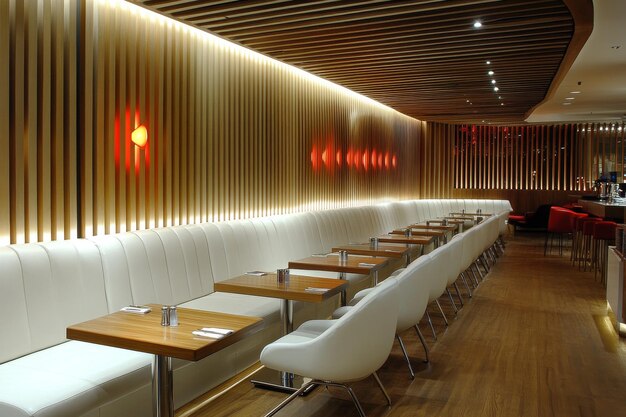
The dine-in experience at Golden Palace reflects the operational approach of many Cantonese restaurants: efficient, service-focused, and oriented toward table turnover rather than lingering. This is functional rather than atmospheric. You'll sit at tables designed for eating, not for extended lounging. Water and tea arrive quickly. Servers check in frequently.
This matters because it creates a meaningful contrast with upscale Pan-Asian restaurants in Oklahoma City (primarily in Bricktown and near Nichols Hills), where the dining experience emphasizes ambiance, craft cocktails, and longer pacing. Golden Palace is transport to the eating experience itself, not the environment. Some diners prefer this directness; others want the restaurant to function as a destination experience rather than a functional meal stop.
Quality Consistency and Realistic Expectations
Cantonese cooking depends on technique and ingredient freshness more than on complexity of preparation. This creates both an advantage and a vulnerability. When the kitchen performs well, the simplicity of a steamed fish or perfectly roasted duck breast becomes the entire point. When execution falters, you'll notice immediately because there's nowhere for sauce to hide flaws.
Consistency at Golden Palace tracks with lunch versus dinner service. Lunch, when the dim sum cart operates and the kitchen is managing frequent orders of familiar items, typically maintains reliable execution. Dinner service, particularly during periods of moderate-to-heavy traffic, occasionally shows variance in timing and temperature of dishes. This isn't unusual for restaurants operating at volume, but it's worth knowing if you're planning a special occasion meal rather than a casual lunch.
The Practical Takeaway
Golden Palace functions best as your accessible option for Cantonese-style cooking in Oklahoma City, particularly for dim sum during lunch hours. It's not the destination meal you'd travel across the city for, nor is it the grab-and-go takeout play where you'd expect expedited service. It's the place you go when you want the actual regional preparation without the price or reservation requirements of fine-dining Asian restaurants, and when you have realistic expectations about environment in exchange for reliable cooking.