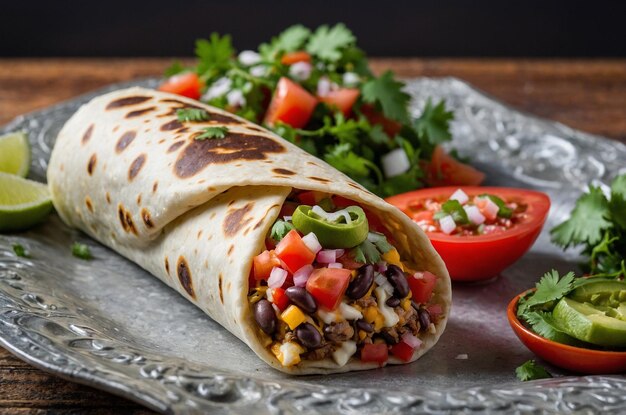
Where to Find the Best Burritos in Oklahoma City
The burrito landscape in Oklahoma City splits into two distinct categories: quick counter service focused on volume and price, and sit-down restaurants that treat the burrito as a composed dish rather than a delivery vehicle. This guide covers both approaches, explains what separates them, and identifies where to go based on what you actually want to eat.
The Counter-Service Model
Most burrito spots in Oklahoma City operate on a speed-and-value formula. You order at a counter, watch assembly happen in front of you, and eat within minutes. This model dominates the metro area because it works. The trade-off is consistency over refinement.
Places operating this way typically charge between $7 and $11 for a full burrito, with larger sizes or premium proteins pushing toward $12. Portion sizes run generous; a standard burrito in Oklahoma City is larger than the regional average elsewhere. This matters if you're deciding between lunch and dinner at the same location.
The best counter-service burritos in Oklahoma City come from restaurants where the kitchen staff makes tortillas fresh or sources them daily from a local distributor rather than using pre-made stock. You can taste this difference immediately. The tortilla should be slightly warm, flexible enough to hold without tearing, and flavorful enough that you notice it. Mass-produced tortillas feel papery by comparison.
Look for places where bean fillings are made in-house rather than canned. Refried beans should taste like actual beans with fat and salt, not bean paste. Places in Midtown and near the Plaza District tend to execute this better than chain-adjacent operations near malls.
Sit-Down Restaurants with Burrito Programs
A smaller group of Oklahoma City restaurants treat burritos as intentional plates. These establishments use better ingredients, take time in assembly, and often serve the burrito with rice and beans on the side rather than inside the tortilla. Prices run $13 to $18, with specialty versions higher.
The practical advantage of this format is that the burrito stays intact through the meal. A counter-service burrito, once unwrapped, begins falling apart after ten minutes. A restaurant burrito on a plate holds its structure. This matters if you're not eating immediately or prefer to pace yourself.
Sit-down spots also control temperature better. A burrito eaten five minutes after assembly tastes different from one eaten twenty minutes later. Restaurant kitchens plate items to order, so timing is factored in.
Meat Quality and Sourcing
Oklahoma City has a cattle industry history, and a few burrito restaurants acknowledge this by sourcing local beef. Ask directly if a place uses Oklahoma beef; most will tell you. The flavor is noticeably richer than commodity beef, though the price reflects it. Expect to pay $2 to $3 more for a burrito with locally sourced meat.
Carnitas and carne asada quality varies dramatically. Places that cook these proteins for four or more hours produce noticeably better results than those using cooking times under two hours. The meat should shred with pressure from a fork, not require cutting. If you're paying premium pricing, this is worth verifying before ordering.
Regional Variations Within Oklahoma City
Burritos in the Stockyard City area tend toward a leaner preparation style, reflecting the neighborhood's roots. You'll find less cheese and more beans, with a focus on clean flavors rather than loaded construction. Portions are also slightly smaller than midtown spots.
Downtown Oklahoma City burrito restaurants cater to the office-lunch crowd, which means faster service but sometimes less careful preparation. Many close by 8 p.m., limiting dinner access.
The Plaza District and Midtown have become density centers for burrito restaurants over the past five years. This concentration means competition is higher, which generally improves quality. You have multiple options within a few blocks, making it easier to switch if one location disappoints.
What to Ask When Ordering
Ask whether the restaurant makes its own tortillas. The answer is often no, but when the answer is yes, order that burrito first.
Ask whether beans are refried in-house. Again, the answer determines quality significantly.
Request a burrito assembled without the burrito wrapped if you're eating on-site. Most restaurants will do this, making the contents easier to access and keep intact.
Specify whether you want beans inside the burrito or on the side. Many cooks default to inside, which changes the structural integrity of the burrito and the way flavors combine. Personal preference should drive this choice, but it's worth knowing you can request it.
Sauces and Sides
Most Oklahoma City burrito restaurants offer salsa at the table or on request. Ask whether it's made daily. A restaurant that makes salsa in-house will tell you unprompted; you usually have to ask if it isn't.
Guacamole should be made to order or made fresh daily. If it's pre-made and sitting in a container, skip it.
Rice quality often gets overlooked. Good burrito restaurants cook rice with broth, a small amount of fat, and salt. It should taste like something, not like plain steamed rice. This is a useful quality indicator.
When to Go and Timing
Lunch service (11:30 a.m. to 1:30 p.m.) is when burrito restaurants are busiest and when staff moves fastest. Speed means lower quality in some cases, but high-volume periods also push restaurants to maintain standards or risk losing customers to the place next door.
Dinner service (5 p.m. to 8 p.m.) sees reduced crowds at most locations. You'll wait less, but the kitchen may have been running less efficiently all day, which sometimes affects quality.
Early evening (4 p.m. to 5 p.m.) is often the sweet spot: the lunch crowd has cleared, the dinner crowd hasn't arrived, and the kitchen has been operating steadily for a few hours.
Practical Takeaway
Start with a simple burrito (carne asada or pollo) at a new restaurant. Skip the specialty combinations on your first visit. A simple burrito exposes weaknesses in tortilla quality, meat preparation, and ingredient freshness faster than a loaded version where multiple ingredients mask problems. Once you know the baseline quality, you can order confidently from the full menu.