Where to Buy Fresh Fish in Oklahoma City: Markets, Counters, and Suppliers
Buying fresh fish in Oklahoma City requires knowing where to look. Unlike coastal cities with daily catch rotations, OKC's fish supply depends on regional distributors and specialty retailers who source from Gulf ports and aquaculture farms. This guide covers the reliable sources, what to expect at each, and how to evaluate freshness in a landlocked market.
Whole Foods Market (Midtown and Edmond)
The Whole Foods locations on NW 23rd Street in Midtown and in Edmond both maintain seafood counters with daily deliveries. The selection typically includes Atlantic salmon, Gulf shrimp, mahi-mahi, and seasonal white fish. Whole Foods sources through a dedicated seafood supplier, and their inventory rotates more frequently than conventional supermarkets because of higher volume. Prices run 20 to 40 percent above discount grocers but reflect lower inventory age. The counter staff can identify when each protein arrived and will fillet on request without charge. A salmon fillet costs between $16 and $22 per pound depending on origin (Atlantic or wild Alaskan). The Midtown location is more convenient for central OKC residents; the Edmond store serves north metro shoppers.
Crest Foods and Affiliated Supermarkets
Multiple Crest Foods locations across OKC maintain seafood cases with competitive pricing. Crest's supply agreement with regional distributors means fish arrives three to four times weekly rather than daily, making Tuesday through Thursday the optimal shopping window. Prices undercut Whole Foods by 25 to 35 percent. Quality varies more than at specialty retailers because turnover depends on location traffic. The Crest on Hefner Road (NE OKC) and the location near Penn Square Mall both have higher-volume seafood sections. Frozen options (shrimp, cod, tilapia) are consistently available and flash-frozen within hours of harvest, making them reliable for weeknight cooking. Fresh options include Gulf grouper, red snapper, and farm-raised catfish when available.
Asian Grocery and Market Suppliers
Districts with larger Asian populations, particularly along Classen Boulevard and in the Capitol Hill area, host several markets with wet fish sections. These retailers source from distributors serving Vietnamese, Chinese, and Filipino communities, which means access to less common whole fish (sea bass, carp, pomfret) and specialty items like live shrimp. Buy-in is minimal if you're unfamiliar with the suppliers. Phone ahead to confirm availability. Prices for whole fish run 30 to 50 percent lower than supermarket fillets because markup is thin and turnover is rapid. The trade-off is limited English signage and no filleting service at some locations.
Restaurant Supply Chains Open to Public
Sysco and US Foods, the two dominant food service distributors, operate limited retail windows or allow small orders for home cooks at certain OKC locations. Sysco's Cash and Carry on South Western Avenue sells in restaurant-sized portions (10-pound boxes of shrimp, whole sides of salmon) at wholesale pricing. This option suits meal preppers, large households, or anyone buying for a group. Minimum orders exist, and selection shifts based on what restaurants are ordering that week. Call ahead to confirm frozen versus fresh stock.
Farmers Market Seasonal Access
The OKC Farmers Market (Sundays year-round at Bricktown, 401 S Reno Avenue) occasionally features local fish suppliers during cooler months when aquaculture farms in Oklahoma and Texas harvest catfish and tilapia. Availability is inconsistent. Prices reflect direct-from-producer economics, usually lower than retail. Use this option as a supplementary source rather than a primary one.
Evaluating Freshness in OKC's Market
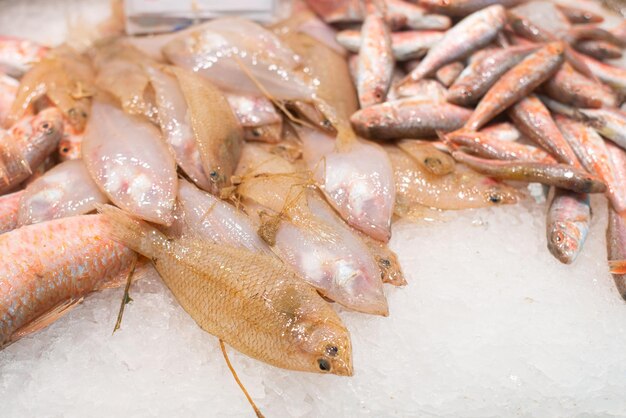
Inland sourcing means evaluating fish freshness is essential. Fresh fillets should not smell strongly "fishy" (that indicates age); instead, they should smell faintly briny or neutral. Eyes on whole fish should be clear and slightly bulging, not sunken. Flesh should be firm and spring back when pressed. The skin should glisten, not appear dull or dried. At supermarket counters, ask how long the fish has been on display. Anything more than two days old is questionable for raw consumption (sushi, ceviche) but acceptable for cooking.
Frozen fish, properly thawed in the refrigerator, performs nearly as well as fresh for most preparations. The flash-freezing process halts enzyme breakdown, so properly frozen fish can be fresher in terms of cellular integrity than "fresh" fish that has traveled several days from a port.
Regional Source Reality
Gulf shrimp and red snapper arrive regularly because both are standards in American grocery supply. Atlantic salmon comes from farms in Canada, Norway, or Chile; wild Alaskan salmon is more expensive and seasonal (peak availability June through September). Cod, halibut, and premium white fish depend on distributor contracts and are less consistent. Planning meals around what's reliably available (shrimp, tilapia, farm-raised catfish, Atlantic salmon) saves frustration.
Practical Takeaway
For the best combination of selection and price in Oklahoma City, shop Whole Foods or a dedicated supermarket's seafood counter on their highest-turnover days (Tuesday through Thursday). Verify arrival dates and appearance before purchasing. For budget-conscious cooking, embrace frozen options from Crest Foods or specialty markets. If you plan regularly for large quantities or meal prep, contact a restaurant supply distributor about retail access. Seasonal exploitation of farmers market suppliers adds freshness and novelty but should not be your only source.