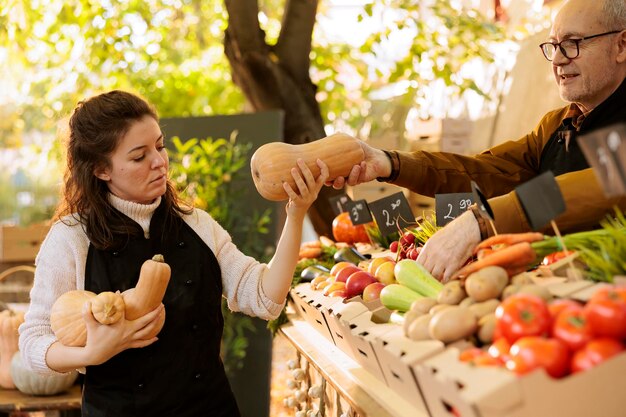
What to Expect at Farmers Public Market in Oklahoma City
Farmers Public Market, located on NW 10th Street in Oklahoma City's Crossroads Arts District, operates as a weekend gathering for produce vendors, prepared food stalls, and small-batch food makers rather than a traditional enclosed market. This guide covers what actually happens there, who sells what, realistic pricing, and how it fits into OKC's food sourcing landscape compared to other year-round options.
Market Structure and Operating Schedule
The market runs Saturday mornings year-round, with hours typically 8 a.m. to noon, though vendor presence and selection vary significantly by season. Winter months (November through February) draw roughly 20 to 30 vendors; spring through fall can attract 50 or more. The market occupies a series of parking lot spaces, so it has no indoor component. This means rain, heat, and cold affect both vendor participation and shopping comfort directly. Arrive early if you want first pick of popular items; by 11 a.m., some vendors sell out or begin packing.
The Crossroads Arts District location places the market within walking distance of galleries, small restaurants, and the Brick District developments to the south. Parking is street-level and often fills quickly on busy Saturdays.
Produce and Seasonal Availability
Spring (April through May) brings the first wave of local vegetables: leafy greens, asparagus, strawberries, and early tomatoes. Prices for locally grown items typically run 10 to 20 percent higher than grocery store produce but reflect harvest timing and shelf life that differs noticeably. A bunch of farm-fresh asparagus might cost $5 to $7, compared to $4 to $5 at Whole Foods, but Oklahoma City asparagus growers have a 3 to 5 day window to sell before quality drops.
Summer (June through August) is peak season for tomatoes, peppers, squash, and berries. Tomato vendors often sell multiple varieties including heirlooms, which rarely appear in conventional retail chains in Oklahoma City. Prices for common vegetables (zucchini, green beans, lettuce) often drop below grocery prices at midsummer when supply peaks.
Fall brings apples, peaches, root vegetables, and winter squash. Winter (December through February) stock includes stored potatoes, onions, garlic, and occasional greens grown in high tunnels. Some vendors close entirely during the coldest months, so winter Saturday attendance cuts the vendor count by half.
Prepared Foods and Value Comparison
The market includes prepared food vendors selling breakfast items, coffee, and lunch options. These typically price competitively with casual restaurants: breakfast sandwiches ($8 to $12), coffee ($3 to $5), and lunch plates ($12 to $16). The advantage is freshness and ingredient transparency. A vendor selling huevos rancheros will identify the source of eggs and often the farm origin of vegetables, information unavailable at most chain breakfast spots in Oklahoma City.
Baked goods, jams, and sauces represent a significant portion of prepared goods. Artisan bread vendors price loaves at $6 to $9, which is higher than grocery bakery sections but often reflects small-batch fermentation and local grain sourcing. This matters if you're comparing to mass-produced options rather than independent bakeries elsewhere in the city.
How This Market Fits OKC's Food System
Farmers Public Market serves a different function than the year-round Oklahoma Food Coop, located in the Midtown area. The coop operates as a member-owned grocery store and carries both local and regional products but requires membership and operates standard retail hours. The market offers direct producer relationships and unmediated pricing negotiation, which some shoppers prefer.
The market also differs from specialty retailers like Whole Foods on NW 23rd Street or Capitol Hill area shops in that it has no overhead costs reflected in prices and no curated product selection. What you see depends entirely on what farmers and makers brought that week.
For home gardeners and preservers, the market functions as a supply source when home harvests fall short. A baker buying bulk strawberries in June for jam production often finds better per-pound pricing here than wholesale channels.
Practical Considerations
Bring cash. Many vendors accept cards, but payment systems fail outdoors in summer heat, and some small producers operate cash-only. Having $50 to $100 on hand prevents frustration when you want to buy more than ATM minimums allow.
The market has no official website with weekly vendor lists, so expectation-setting requires either calling ahead to a market organizer (contact the Oklahoma City Parks and Recreation Department for current coordinator information) or visiting without a specific shopping list. This unpredictability appeals to cooks who shop seasonally; it frustrates people seeking a specific item.
Parking and foot traffic peak between 9 and 10:30 a.m. If you have sensory sensitivity to crowds or need accessible parking, arrive closer to opening at 8 a.m.
The market does not offer prepared meal options equivalent to full lunch service. If you plan to spend two hours there, eat before arrival or budget for a breakfast item and coffee rather than expecting a complete meal.
Who Benefits Most
Home cooks planning meals around produce availability rather than a fixed menu will find the most value. People making preserves, sauces, or large-batch cooking benefit from bulk pricing on peak-season items. Shoppers without access to transportation to multiple retailers can address produce, bread, and some pantry items in a single stop.
Shoppers seeking consistency, specific varieties, or year-round availability of particular items should balance Farmers Public Market visits with regular grocery shopping. The market supplements rather than replaces conventional retail for most households in Oklahoma City.