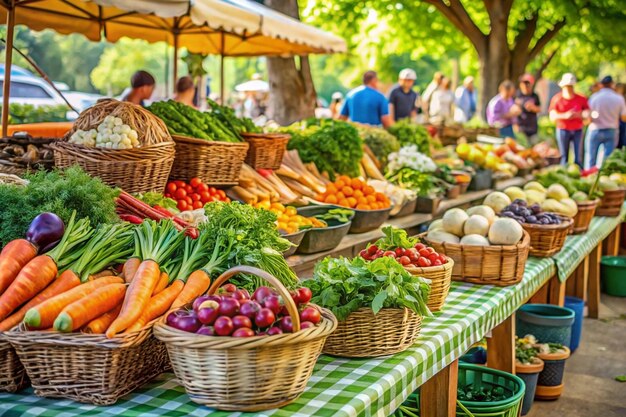
Where to Buy Fresh Produce at Oklahoma City Farmers Markets
Farmers markets in Oklahoma City operate on a seasonal schedule that peaks in spring and summer, then contracts significantly by fall. This guide covers which markets run year-round, what to expect at different times of year, and how prices compare to grocery store produce.
Year-Round Markets and Their Seasons
The Oklahoma City Farmers Market, located at 311 S. Reno Avenue in the Stockyard City area, is the city's largest and operates April through November on Saturdays from 7 a.m. to noon. Vendors typically include 40 to 80 farmers and producers depending on the season. April and May bring leafy greens, strawberries, and early herbs. July and August peak with tomatoes, peaches, and summer squash. By October, the market shifts to fall crops: apples, pumpkins, and root vegetables. The market closes entirely December through March.
Pricing at the Reno Avenue market is generally 15 to 30 percent lower than supermarket prices for the same items during peak season. A pound of locally grown tomatoes sells for $2 to $4 in July, compared to $4 to $6 at major chains. Strawberries in May run $3 to $5 per pound versus $5 to $7 at grocery stores. These savings compress as the season ends; by November, fewer vendors remain and prices rise as supply tightens.
The Edmond Farmers Market (Edmond Memorial High School parking lot, 100 N. Santa Fe) runs May through October on Saturdays from 8 a.m. to noon. It draws roughly 30 to 40 vendors and skews toward producers within a 50-mile radius. Edmond's market tends to emphasize vegetables and cut flowers over prepared foods compared to the Oklahoma City main market. Produce quality is comparable, and prices are similar, but the smaller vendor pool means less variety in June and July.
Winter Alternatives
From December through March, fresh local produce becomes scarce. The Oklahoma City Convention Center hosts an indoor winter farmers market, though dates and vendor counts fluctuate. Contact the Oklahoma Farmers Market Association directly for current scheduling.
Some restaurants source from local farms year-round by using preservation methods. Cattlemen's Steakhouse in the Stockyard District and restaurants in Bricktown often feature local seasonal items on menus, but this is a consumption option, not a shopping one.
Produce Categories and What to Expect
Tomatoes dominate Oklahoma City markets in July and August, with heirloom, cherry, and paste varieties available. A single vendor might offer 8 to 12 varieties on a peak summer Saturday. This creates a meaningful choice absent from grocery stores: you can taste before buying, ask the grower about flavor and best use, and select odd sizes that supermarkets reject. Heirloom tomatoes cost $4 to $6 per pound; cherry tomatoes run $3 to $5.
Stone fruits (peaches, plums, apricots) appear in June through August. Oklahoma-grown peaches are available but less common than imported ones; vendors selling local peaches typically source from within the state. Nectarines and plums are more reliable. Prices range $2 to $4 per pound for local stone fruit.
Leafy greens appear earliest, from late April onward. Spinach, lettuce, kale, and microgreens arrive before other crops. Spring prices are lowest because competition among vendors is highest. Expect $2 to $4 per bunch or container for greens.
Herbs include parsley, cilantro, basil, and dill from May through September. These cost $1 to $2 per bunch and are fresher than supermarket versions, typically harvested within 24 hours of sale.
Prepared foods and value-added products (honey, jams, baked goods) appear at both markets and do not follow the same seasonal pattern as produce. Some vendors maintain these offerings year-round.
What Does Not Grow Well Locally
Bananas, citrus, and avocados are never sold at Oklahoma City farmers markets because the climate does not support commercial production. Apples appear briefly in fall (September through October) from small local orchards in southern Oklahoma. If apples are central to your shopping, visit in autumn or plan to buy from supermarkets other months.
Practical Information for Shopping
Arrive by 8 a.m. on Saturdays to encounter the most vendors and full inventory. By 11 a.m., popular items sell out, especially at the Oklahoma City main market in peak season. Bring cash; many vendors accept credit cards, but not all. Prices are not negotiable.
The Reno Avenue market has limited free parking in adjacent lots; arrive early on summer Saturdays or expect to park several blocks away. The Edmond market offers ample parking.
Farmers market produce typically has a shorter shelf life than supermarket produce because it lacks wax coatings and fungicides. Plan meals around purchases within two to three days of buying. Greens and stone fruits spoil fastest; tomatoes and root vegetables last longer.
Buying in bulk at farmers markets makes sense if you preserve, freeze, or cook in large batches. Many vendors offer discounts on purchases of multiple pounds or dozens of items, but you must ask. No standard discount policy exists across markets.