What to Know About Pizza in Oklahoma City: The Eagle One Standard and Beyond
Pizza in Oklahoma City reflects the city's broader food culture: practical, meat-forward, and resistant to pretension. Eagle One Pizza, operating in the Midtown district, sits at the center of how OKC's pizza landscape has matured over the past decade. This guide explains what Eagle One represents, how it compares to other serious pizza operations in the city, and what the current pizza terrain looks like if you're evaluating where to eat.
The Eagle One Position
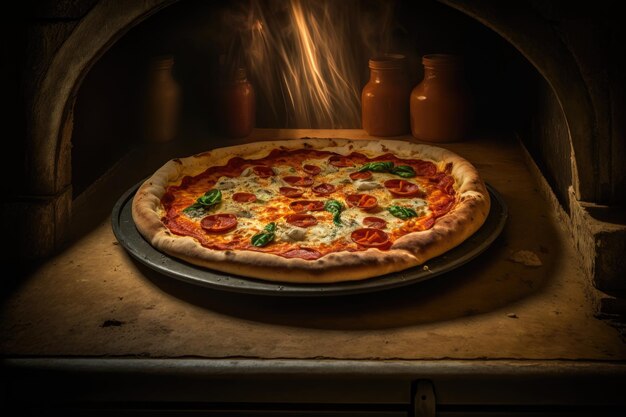
Eagle One Pizza operates with a straightforward product: coal-fired or wood-fired pies with emphasis on crust quality and ingredient selection. The restaurant trades in what pizza professionals call "New York-style" construction, meaning moderate thickness, foldable slices, and a char on the bottom that comes from sustained high heat. In Oklahoma City's context, this matters because the city's pizza history tilted toward chains and thin-crust tavern pizza, leaving a gap between those options and the more ambitious brick-oven operations that emerged in the 2010s.
The crust at Eagle One uses a longer fermentation than fast-casual alternatives, which changes flavor and digestibility. A 48-hour or longer cold fermentation develops organic acids in the dough that improve both taste and your gut's ability to process the bread. This is a technical detail that affects the eating experience: the pizza doesn't sit heavy after the meal.
Pricing at Eagle One runs $16 to $24 per large pie, depending on toppings. A margherita-style cheese pizza costs less; specialty pies with multiple meats or premium vegetables cost more. This positions Eagle One in the mid-to-premium range for Oklahoma City, clearly above Papa John's or Domino's ($12 to $18) but below full-service restaurants with pizza as a secondary offering. For readers comparing value, the difference comes down to ingredients: Eagle One uses San Marzano tomatoes or equivalent imports, fresh mozzarella, and proteins sourced through restaurant suppliers, not commodity distributors.
How Eagle One Compares Locally
Oklahoma City has developed a small but deliberate pizza ecosystem. Comparing Eagle One to other serious contenders clarifies what you're choosing:
Against Cattlemen's Steakhouse or similar upscale restaurants with pizza offerings: Eagle One is less expensive and faster. Pizza here is the primary discipline, not a side menu item. You'll eat in 45 minutes instead of two hours, and the pizza is made by specialists who work with dough daily, not a kitchen staff trained on beef and sides.
Against Antonio's or family-operated Italian restaurants: Some long-standing Italian spots in OKC maintain their own pizza programs. These often use thinner crusts, slightly sweeter sauce, and a cooking method closer to traditional Sicilian or Southern Italian styles. Eagle One's crust is thicker and less sweet. If you prefer lighter, crisper pizza, those alternatives matter. If you want a more substantial crust with deeper char, Eagle One's coal fire aligns better.
Against Hideaway Pizza, a regional chain with OKC locations: Hideaway operates a consistent model across multiple states, with thin crusts and a specific flavor profile replicated everywhere. Eagle One sources locally where possible and adjusts for ingredient availability, so the product varies slightly by season. Hideaway is more predictable; Eagle One is more responsive to what's actually good right now.
Against wood-fired operations in suburban locations: Some neighborhoods have acquired standalone pizzerias in the past five years. These vary widely in execution. The difference between a good wood-fired pizza and a mediocre one often comes down to oven temperature management and dough handling, not the oven itself. Eagle One's location in Midtown means the operation has built clientele close enough for repeat visits, which typically correlates with tighter technique.
Midtown's Food Context
Eagle One sits within the Midtown district, which has consolidated as Oklahoma City's most intentional food neighborhood. Nearby, you'll find restaurants focused on specific cuisines or preparations: ramen shops, Vietnamese pho houses, Caribbean cooking, and a growing number of places where the chef's personal cooking style matters more than brand consistency. This context matters because it affects what Eagle One competes against for your dinner dollar. You're not choosing between it and a suburban chain; you're choosing between it and five other restaurants within walking distance, each with a different approach. Eagle One's advantage is precision with a single product rather than variety across a menu.
Parking in Midtown is street parking or small lots shared with adjacent businesses. This is not a drive-through operation. Budget 10 to 15 minutes to find parking, especially Thursday through Saturday evening.
Practical Details for Planning
Operating hours vary seasonally; verify current hours before visiting, as pizza restaurants sometimes shift weekend schedules. Most coal or wood-fired pizza operations close the oven by 10 p.m., which sets the latest meaningful seating time around 9:15 p.m.
Takeout is available, though pizza is best eaten within 10 minutes of leaving the oven. If you're taking pizza elsewhere, it stays good for about 20 minutes in a closed box; after that, steam collects inside and softens the crust. Pickup versus dine-in affects the experience noticeably.
Dietary accommodations: Eagle One can make vegetarian pies, but the kitchen's strength is in meat toppings, particularly cured pork products. If you're vegan or avoid cheese, call ahead; this isn't a restaurant set up to substitute extensively.
When Eagle One Is the Right Choice
Order Eagle One when you want pizza that reflects ingredient quality and technique over novelty or volume. You're not here for a pie loaded with ten toppings; you're here for fewer toppings executed well. A simple cheese pie, or cheese with one quality cured meat and one vegetable, showcases what the kitchen does. The margherita or a white pie (ricotta, mozzarella, garlic, no tomato sauce) typically reveal crust quality better than heavily topped versions.
Go if you live or work in Midtown and want a Friday evening meal without traveling. Go if you've had pizza at coal-fired operations elsewhere and want to see how Oklahoma City's version compares. Don't go expecting something different from what pizza actually is; Eagle One is pizza discipline, not pizza innovation.
The broader point: Oklahoma City's restaurant scene has matured enough that technical skill matters now, not just access. Eagle One represents that shift. It's a place that respects the thing it makes, which changes what you taste when you eat there.