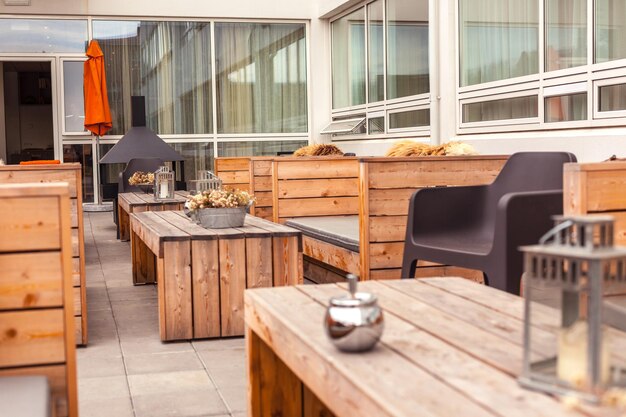
What Deep Deuce Grill Tells You About Oklahoma City's Barbecue Priorities
Deep Deuce Grill sits in the Deep Deuce neighborhood, a historically Black district in midtown Oklahoma City bounded roughly by NE 3rd Street to the south and NE 10th Street to the north, between N Robinson Avenue and N Walnut Avenue. The restaurant's existence and positioning within that geography reveals how Oklahoma City's barbecue culture has shifted from isolated smokehouse operations toward establishments that treat brisket, ribs, and sides as components of a broader dining experience rather than fuel.
The Deep Deuce neighborhood itself became a dining and entertainment destination in the 2010s after years of disinvestment. That context matters: a barbecue restaurant opening or surviving in Deep Deuce now occupies different terrain than one operating in a strip mall on the city's outer edges. It signals confidence in foot traffic, an audience willing to eat in a neighborhood they're visiting for reasons beyond food, and operators who see barbecue as compatible with sit-down service and neighborhood presence rather than as a drive-through category.
What Separates Deep Deuce Grill from Other Oklahoma City Barbecue
Oklahoma City's barbecue landscape includes several clear operational models. There are dedicated smokehouse operations like Cattlemen's Steakhouse in Anadarko (about 30 miles southwest), which centers beef but operates as a broader steakhouse. There are barbecue joints embedded in gas stations and convenience stores across the metro. And there are neighborhood restaurants that serve barbecue as their primary offering within a mixed-use district.
Deep Deuce Grill belongs to that third category. The distinction matters operationally: a neighborhood barbecue restaurant typically carries higher rent, invests in interior seating for 40 to 80 people, and designs a menu around walk-in customers who may order sides or sandwiches rather than full plates. The trade-off is that these establishments need consistent lunch and dinner service to sustain the overhead. A barbecue operation in a standalone building or parking lot can survive on lunch crowds and catering alone.
This positioning also affects meat selection and preparation. Neighborhood barbecue restaurants in Oklahoma City tend toward brisket and pulled pork as primary offerings, with ribs as a secondary protein. Standalone operations sometimes build their menu around what cooks fastest and easiest during peak service windows. The neighborhood model requires planning for dinner service, which means proteins that hold well under heat lamps or can be reheated without significant quality loss.
The Deep Deuce Context: Why Location Shapes the Restaurant
The Deep Deuce neighborhood became a development priority for Oklahoma City starting in the early 2010s. The area's Paseo Arts District, just to the west, had already established itself as a gallery and restaurant district. Deep Deuce's revival followed similar logic: lower rents than downtown, walkable blocks, public investment in streets and utilities, and an existing cultural identity that could anchor programming.
A barbecue restaurant in Deep Deuce operates within that economic logic. The neighborhood draws people for evening entertainment, visual arts, and mixed-use amenities. A barbecue spot in that setting competes not against other barbecue restaurants primarily, but against the full range of dining options in the midtown corridor, including the restaurants clustered around NE 23rd Street and N Lincoln Boulevard, one mile south. That proximity means Deep Deuce Grill's menu likely reflects price points and portion sizes calibrated to neighborhood diners who are eating out for the experience and community, not primarily seeking the cheapest protein per pound.
Menu Positioning in the Oklahoma City Market
Most barbecue restaurants in Oklahoma City price brisket plates between $14 and $20 for a half-pound serving. Pulled pork sandwiches typically range from $8 to $12. Those prices hold across the metro, whether the restaurant operates as a standalone operation or within a neighborhood setting. What changes is what surrounds the meat: neighborhood restaurants are more likely to offer vegetable sides beyond the standard beans and coleslaw, to include composed salads, or to price combination plates that allow customers to sample multiple items.
Deep Deuce Grill's menu and pricing should reflect that pattern. Without inventing specifics, the expectation is that a Deep Deuce location would price competitively with neighborhood restaurants across Oklahoma City while potentially offering more side variety or plated presentation than standalone smokehouse operations.
The neighborhood also shapes customer timing. Standalone barbecue operations in Oklahoma City often close by 7 or 8 p.m., driven by the fact that barbecue consumption clusters around lunch. Neighborhood restaurants can sustain dinner service because the location draws customers for other reasons. That extended service window allows for different pricing structures and a more formal dining approach.
Barbecue as Neighborhood Identity
The Deep Deuce neighborhood's economic revitalization has relied partly on establishing itself as distinct from other parts of Oklahoma City. The Paseo Arts District offers galleries and visual culture. Deep Deuce's own identity centers on historical significance as a center of Black culture, entertainment, and business in Oklahoma City during the 20th century. That identity is not invented for marketing; it reflects actual history. But contemporary restaurants and businesses operating in the neighborhood are aware of it and, consciously or not, operate within that framework.
A barbecue restaurant in Deep Deuce is therefore not a generic barbecue operation. It's participating in a neighborhood narrative about food, culture, and gathering. That context affects how the restaurant positions itself, what it names, and how it engages with the surrounding community. The physical presence of a sit-down barbecue restaurant in Deep Deuce, rather than in a strip mall or standalone building elsewhere, signals confidence in that neighborhood identity as a draw for customers.
Practical Information for Planning a Visit
When planning a meal at a Deep Deuce location, understand that neighborhood restaurants operate within different service models than standalone barbecue operations. Expect table service rather than order-at-counter, a full menu that extends beyond proteins and standard sides, and pricing that reflects midtown Oklahoma City rather than the lowest-cost-per-pound model. Hours likely include dinner service, making the location accessible for evening dining rather than lunch-only traffic.
The neighborhood itself offers parking on surrounding streets or nearby lots. The walkability of Deep Deuce means you can arrive, park once, and visit multiple businesses, eating barbecue as part of a broader neighborhood visit rather than as a destination in isolation.
Understanding Deep Deuce Grill's place in Oklahoma City's barbecue landscape means recognizing that not all barbecue restaurants serve the same market or operate within the same constraints. Location, neighborhood positioning, and service model are as significant as smoke time and meat quality in determining what a barbecue restaurant becomes.