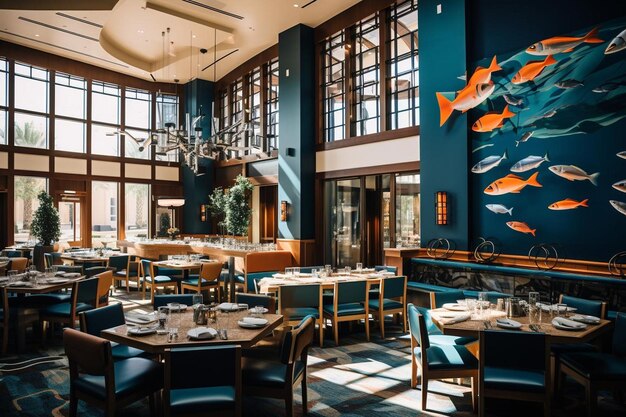
Seafood Dining in Oklahoma City: Where to Find Crab and What to Expect
Crab appears on Oklahoma City menus far less often than beef, and when it does, the sourcing, preparation, and price reflect the distance from any ocean. This guide covers where crab shows up in Oklahoma City's restaurant landscape, what you'll pay, and how the dish compares to what you'd encounter in coastal markets.
The Supply Reality
Oklahoma City sits roughly 1,200 miles from the Gulf of Mexico. Crab reaches restaurants here via overnight shipping on ice, which means freshness depends on delivery timing and restaurant turnover. Most local establishments that feature crab source it frozen or rely on canned lump meat for consistency. A few higher-volume seafood spots maintain live tanks or receive daily shipments, but these are exceptions and their prices reflect that commitment.
Blue crab, Dungeness crab, and snow crab each require different storage and handling. Blue crab spoils fastest and commands premium pricing when fresh. Dungeness crab, though less perishable, costs more upfront because West Coast sourcing adds freight. Snow crab legs appear on menus more often because they freeze and thaw predictably without quality loss.
Where Crab Actually Appears
Seafood-focused restaurants near Bricktown and along Meridian Avenue stock crab more reliably than casual chains. Ted's Cafe Escondido locations across the metro occasionally feature crab specials, though their model centers on Mexican coastal cooking where crab plays a supporting role rather than a centerpiece. High-end steakhouses in Uptown Oklahoma City sometimes add crab cakes or lobster and crab combinations to supplement their beef-heavy offerings, typically at $28 to $36 per entree.
Asian restaurants present a different angle. Sushi spots in Midtown and near the Bricktown Canal source sushi-grade seafood daily, and some receive crab alongside other proteins. Quality varies sharply; restaurants that opened within the last three years and maintain a dedicated seafood supplier will have firmer, sweeter meat than those buying from broad distributors.
Vietnamese pho and noodle houses occasionally feature crab in broth-based dishes, where the meat stretches further and the cooking method masks subtle quality gaps. These dishes typically cost $12 to $16, significantly less than standalone crab entrees.
The Trade-off Between Fresh and Frozen
Fresh crab in Oklahoma City costs 20 to 40 percent more than frozen product because of overnight shipping premiums. A fresh crab cake entree in Bricktown runs $32 to $38, while the same dish at a casual seafood restaurant using thawed frozen crab costs $18 to $24. The texture difference is real: fresh crab flakes apart, while frozen crab (especially if thawed improperly) becomes watery and dense.
However, frozen crab handled well tastes acceptable. The critical variable is whether the kitchen thaws it slowly in a cooler (acceptable) or under running water or at room temperature (ruins it). Restaurants that post their sourcing on menus or mention "previously frozen" crab transparently tend to handle it correctly, because they understand customers notice.
Canned crab meat works in crab cakes because binding ingredients and cooking mask the metallic aftertaste of the can. It fails in dishes where crab is the protagonist, like a crab saute or simple preparation with lemon and butter.
Preparation Styles That Work in Oklahoma City
Crab cakes remain the safest menu choice in a non-coastal city. The binding (breadcrumbs, mayo, egg) stretches the protein, and pan-searing develops flavors that cover any staleness. Oklahoma City restaurants that serve crab cakes consistently perform better than those featuring boiled crab or crab risotto, because boiling and long cooking highlight staleness rather than hide it.
Crab in Asian soups and broths works for the same reason: heat and other ingredients mask quality shortcomings. Hot-and-sour soup with crab, tom yum with crab, or crab ramen are genuine options and cost $14 to $20.
Cold preparations like crab salad require exceptional freshness and are uncommon in Oklahoma City outside high-end restaurants with deep seafood budgets. If you see one on a menu, ask when it was prepared (same day, ideally).
Price Anchors for Oklahoma City
A crab entree at a reliable mid-range seafood restaurant costs $24 to $32. Steakhouses charge $28 to $38. Casual spots or Vietnamese restaurants with crab dishes charge $12 to $20. If a crab entree is under $16, it almost certainly uses frozen or canned crab; that is not inherently bad, but it explains the price.
Crab appetizers (usually crab cakes) run $9 to $14 as a starter. Crab dip or crab spread, common at casual restaurants, costs $8 to $12.
Seasonal and Weekly Patterns
Crab prices spike in winter (November through February) because cold-weather fishing in Gulf and Atlantic waters increases supply costs. Many Oklahoma City restaurants reduce crab specials during summer or drop them entirely. If crab is on a rotating specials menu, call ahead; it may not be available the day you visit.
Practical Steps
Order crab at restaurants where seafood is central to the concept, not peripheral. Ask whether the crab is fresh or previously frozen. In a high-volume restaurant, frozen crab thawed daily is often better than "fresh" crab that has sat for three days. Request crab cakes or crab in broth if you want to minimize risk. Avoid cold crab preparations at restaurants outside Uptown Oklahoma City unless the menu explicitly describes them as made that morning.
If you want reliable crab without complications, order it as a component of another dish (crab pasta, crab sandwich, crab soup) rather than as the main protein. The surrounding elements will mask any quality compromises that distance and shipping create.