What to Expect at Chuck House Restaurant in Oklahoma City's Bricktown District
Chuck House Restaurant occupies a specific position in Oklahoma City's casual dining landscape: a steakhouse operation in Bricktown that trades fine-dining formality for straightforward beef preparation and mid-range pricing. This guide covers what distinguishes Chuck House from competing steakhouse options in the metro area, how its positioning affects menu strategy and atmosphere, and whether its approach delivers value relative to alternatives.
Location and Accessibility
Chuck House operates on Routh Avenue in Bricktown, the district bounded by the Oklahoma River to the south and east, making it accessible by car with nearby paid parking or by foot if you are already exploring the neighborhood's entertainment corridor. Bricktown itself has consolidated much of the city's restaurant density over the past two decades, which means Chuck House competes directly with other proteins-focused restaurants within walking distance rather than drawing from a dispersed customer base. The Bricktown location matters operationally: foot traffic from hotels, entertainment venues, and the Bricktown Canal area feeds consistent covers, which supports consistent kitchen execution.
Menu Structure and Beef Program
Chuck House operates as a steakhouse with a beef-centric menu, not a full-service American restaurant that happens to serve steak. The distinction affects both price and focus. A typical entree runs $20 to $40 depending on cut and weight, positioning the restaurant in the middle tier between fast-casual chains and destination fine-dining steakhouses like The Loaded Bowl or premium options in Uptown. The house approach emphasizes familiar cuts: ribeye, New York strip, and filet mignon appear in standard preparations rather than as vehicles for technique-forward seasoning or sous-vide aging that would justify higher price points. Sides order separately, a standard steakhouse practice that prevents you from budgeting a single entree price; plan to add $4 to $8 per person for potato or vegetable accompaniments.
This menu design serves a practical function in Oklahoma City's dining economy. The city lacks the density of high-end steakhouses found in Dallas or Kansas City, leaving a gap between Outback Steakhouse (casual, lower price) and upper-tier independent steakhouses. Chuck House occupies that middle position where customers seeking a proper steak dinner without white tablecloth ceremony can find reliable execution at reasonable cost. The trade-off is that the kitchen does not pursue the dry-aging, custom-butchery, or wine-pairing infrastructure that justifies steakhouse prices above $50 per entree.
Atmosphere and Service Model
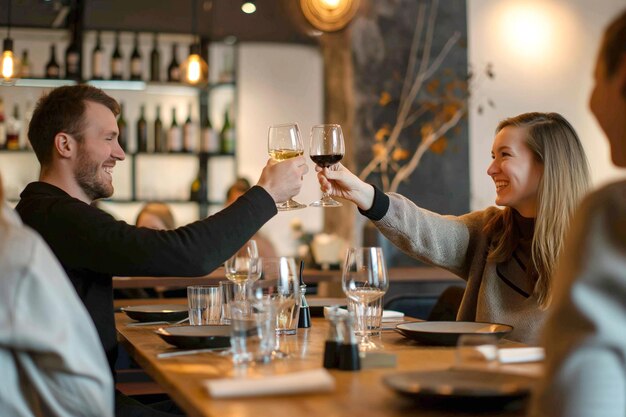
Steakhouse service varies on a spectrum from country-club formality to sports-bar casualness. Chuck House leans toward the casual end, with a bar-forward layout and dim wood-paneled dining that signals comfort rather than occasion. The atmosphere suits business dinners, group celebrations, or repeat visits by regulars more readily than first dates or milestone anniversaries where ceremony amplifies perceived value. Servers follow a service standard appropriate to the price point: knowledgeable about the menu and attentive to refills, but not choreographed with the precision expected at higher-tier establishments.
The bar itself matters in Oklahoma City's context. Many steakhouses in the metro area have invested heavily in cocktail programs or wine lists as differentiators; Chuck House operates more as a traditional steakhouse bar that stocks spirit basics and wine at accessible price points rather than attempting a craft-cocktail identity. This affects the total experience cost. A meal with two cocktails at a cocktail-forward steakhouse in Uptown might run $150 to $180 per person; Chuck House with standard drinks might cost $80 to $120 per person for comparable food.
Comparison to Alternatives in Oklahoma City
Outback Steakhouse (multiple locations): Lower price ($15 to $30 entrees), chain-standardized execution, faster service model designed for high volume. Outback competes on accessibility and consistency rather than local character or ingredient sourcing. Chuck House offers more personality and craft in steak selection for a modest premium.
Independent steakhouses in Uptown or Midtown: Higher price ($40 to $70+ entrees), often featuring aged beef programs, custom butchery, or wine lists with depth. These venues justify cost through procurement differentiation. Chuck House serves customers who want steakhouse food without the investment threshold those restaurants demand.
Brazilian churrascarias: A different protein-delivery model (rodizio table service with continuous meat courses) at comparable or higher price. A churrascaria meal with full service typically costs $45 to $60 per person. Chuck House suits customers who want individual portions and standard plating.
Casual beef-forward restaurants (burger-focused establishments): Lower price ($12 to $18), smaller portion sizes, faster turnover. Chuck House serves customers ready for a full steakhouse experience without the ceremony or price of destination steakhouses.
Practical Details for Planning
Hours and reservation policy matter for Bricktown dining. Verify current hours before visiting, as Bricktown restaurant hours shift seasonally with foot traffic patterns. The restaurant accepts reservations, which reduces wait time significantly during evening service, particularly on weekends when Bricktown entertainment traffic peaks. If you are planning a group dinner, calling ahead ensures table availability and allows the kitchen to anticipate cover numbers.
Parking in Bricktown operates on a paid lot system rather than street parking; plan to budget $5 to $10 for parking and factor in the walk from lot to restaurant. The Bricktown location means you can combine dining with access to other entertainment options nearby, making it a practical choice if you are planning an evening that includes a show or canal walk.
Menu Consistency and Ordering
Steakhouse menus vary less than casual restaurants; you can expect ribeye, strip, and filet to appear on every visit in similar preparations. Chuck House likely rotates specials and seasonal offerings, but the core menu provides reliability for repeat customers. This consistency also means you can order with confidence if you dined there previously: your preferred cut will likely be available at comparable price and preparation.
The separate sides menu allows customization without substitution charges, a practice that reduces friction compared to restaurants that include sides but charge for swaps. If you prefer a different starch or vegetable than the house choice, ordering à la carte from the sides menu costs less than premium substitution fees at some competitors.
Bottom Line
Chuck House Restaurant serves a specific customer: someone seeking legitimate steakhouse food without premium pricing or fine-dining ceremony. The Bricktown location makes it accessible to both locals and visitors, and the mid-range price point allows steakhouse dining as a regular choice rather than special occasion splurge. If you are comparing it to casual chain steakhouses, you gain quality and local character. If you are comparing it to upper-tier independent steakhouses, you trade aged-beef programs and wine depth for lower cost and simpler atmosphere. That trade makes sense for most regular diners in Oklahoma City's market.