China Wok in Oklahoma City: What to Expect from a Midtown Sit-Down
China Wok operates as a full-service Cantonese-American restaurant in Oklahoma City's Midtown district, a neighborhood where Asian dining competes directly with newer pan-Asian concepts and established Thai options. This guide covers what separates the restaurant's menu approach, pricing structure, and operational model from comparable choices in the area, so you can decide whether it fits your occasion and appetite.
Location and Setting
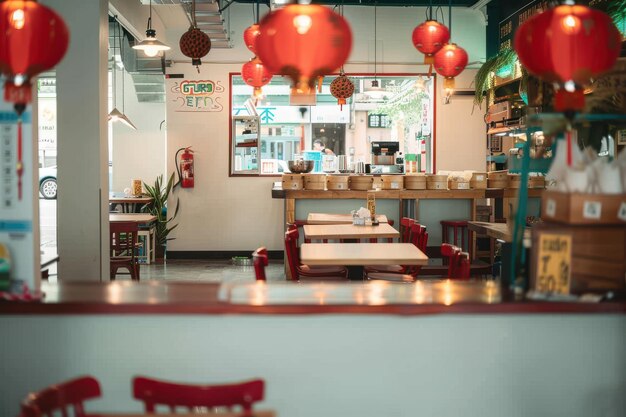
China Wok sits within Midtown, Oklahoma City's densest cluster of independent restaurants and shops running roughly between NW 23rd Street and Classen Boulevard. The restaurant occupies a traditional dine-in format with booth and table seating, a structural choice that matters because many competitors in Oklahoma City have shifted toward counter service or delivery-focused models over the past five years. The sit-down environment means slower service compared to quick-casual operations but allows for table-side interaction with staff, which can be valuable when deciding between dishes or requesting modifications to heat level and sauce balance.
Parking is street-level along the Midtown corridor, requiring some attention during peak dinner hours (typically 6 p.m. to 8 p.m. Friday through Sunday). Nearby parking in commercial lots is generally available within a one-block radius.
Menu Structure and Protein Strategy
The menu follows a conventional Cantonese-American framework: protein-and-vegetable combinations served over rice, lo mein dishes, egg roll appetizers, and soup options. This format dominates Oklahoma City's older Chinese restaurants and differs notably from newer establishments downtown that emphasize smaller plates, regional Chinese cuisines (Sichuan, Hunan), or fusion approaches.
The protein lineup includes chicken, pork, beef, and shrimp as primary options, with each available across multiple sauce categories: sweet and sour (tomato-based, often the sweetest option), soy-garlic (savory, less sauce volume), and spiced preparations. Vegetable-heavy stir-fries occupy a middle tier of the menu, useful for diners managing dietary restrictions or seeking lower-price-point entrees.
A practical distinction: unlike some Cantonese-American restaurants that reserve certain proteins for specific dishes only, China Wok allows substitutions across most menu items. This means you can order chicken in a dish traditionally served with beef, or add shrimp to combinations normally featuring pork. The kitchen accommodates these requests without significant surcharge, which increases flexibility for tables with varied preferences.
Pricing and Portion Size
Entrees range from approximately $9 to $16 depending on protein choice and dish complexity, positioning China Wok in the moderate range for Oklahoma City dining. A lunch special (available during midday hours) offers entree plus fried rice or lo mein plus soup for roughly $8 to $10, a format common across the city but worth noting because the soup component (typically chicken broth with noodles or wontons) reduces the need for additional sides.
Portion sizes lean generous by contemporary standards. A single entree typically contains four to five ounces of protein mixed with two to three cups of vegetables and rice, sufficient for most diners to eat without ordering additional dishes or taking substantial leftovers home. This differs from newer upscale Asian restaurants in Bricktown and downtown Oklahoma City, where plate composition emphasizes plating aesthetics and portion control over volume.
How It Differs from Competing Approaches
Oklahoma City's Asian dining scene has fragmented into distinct tiers. Full-service Cantonese-American restaurants like China Wok represent one segment, characterized by sit-down service, moderate pricing, and traditional sauce profiles. Newer counter-service establishments in Midtown and Bricktown offer higher ingredient transparency, smaller plates, and regional specialization at a higher price point (typically $13 to $20 per entree). Food delivery services have added third-party restaurants to the market, including regional chains from Texas and Kansas that primarily operate through apps rather than walk-in traffic.
China Wok competes primarily on operational consistency and the sit-down experience. The kitchen maintains standardized preparation methods across orders, meaning a dish ordered on a Tuesday tastes consistent to an order placed on a Saturday. Some diners prioritize this consistency; others view it as a limitation compared to restaurants with more variable, scratch-oriented cooking.
Service and Ordering Process
Wait staff operates on a traditional table-service model: greeting, drink order, food order, delivery. Average time from seating to order placement is three to four minutes during moderate traffic periods, extending to eight to ten minutes during peak dinner hours on Friday and Saturday nights. Kitchen timing from order to plate is typically twelve to eighteen minutes for lunch service, extending to twenty to twenty-five minutes during dinner rushes when multiple table orders stack simultaneously.
The restaurant does not use ordering tablets or mobile ordering; payment occurs at table or cashier. This can feel slower than digital-forward competitors but allows staff to accommodate last-minute requests or modifications without resubmitting electronic orders.
Practical Takeaway
China Wok serves as a reliable sit-down Cantonese-American restaurant suitable for diners seeking traditional sauce profiles, generous portions, and moderate pricing without novelty or ingredient sourcing as a primary concern. It functions well for casual group dining, family meals, and lunch breaks. For diners prioritizing regional authenticity, ingredient transparency, or contemporary plating, newer Asian restaurants elsewhere in Oklahoma City may better match expectations. Arrive before 6 p.m. on weekends to avoid significant waits.