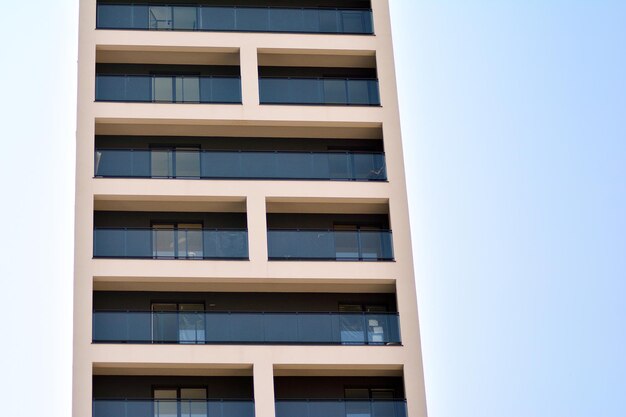
Stoneleigh On May: Mid-Rise Apartments in Midtown Oklahoma City
This guide covers what Stoneleigh On May offers relative to other mid-rise rental options in Oklahoma City's Midtown corridor, how its location and unit mix compare, and whether the trade-offs align with your housing priorities in that submarket.
Location and Market Position
Stoneleigh On May sits on May Avenue in the Midtown district, positioning it within one of Oklahoma City's densest mixed-use neighborhoods. May Avenue runs north-south through Midtown, anchoring a corridor that includes the Plaza District to the north and extends toward the Penn Avenue entertainment zone. This location places residents within walking distance of restaurants, retail, and cultural venues concentrated in a roughly six-block radius around the Plaza District.
The Midtown submarket has seen sustained rental demand over the past decade, driven partly by young professionals and relocating workers avoiding suburban commutes to Bricktown or the Plaza District business cluster. Rents in comparable mid-rise buildings in Midtown typically range from $1,200 to $1,800 monthly for one-bedroom units and $1,600 to $2,400 for two-bedroom units, depending on finish level and amenity package. Stoneleigh On May's specific pricing should be verified directly, as market rates adjust seasonally and with lease terms.
Unit Configuration and Build Quality
Mid-rise apartments on May Avenue typically feature concrete construction, which influences both noise isolation and structural longevity compared to wood-frame garden-style complexes common in suburban Oklahoma City neighborhoods like Edmond or Norman. Concrete buildings generally command higher rents but offer better soundproofing between units—a meaningful difference if you work irregular hours or are sensitive to neighbor noise.
Stoneleigh On May, as a mid-rise property, likely offers floor plans ranging from studios through two-bedroom units. Floor plates in buildings of this type usually measure between 450 and 950 square feet for one- and two-bedroom units respectively. Unit windows typically face either May Avenue or internal courtyards; Avenue-facing units receive more natural light but expose occupants to street traffic noise, while courtyard-facing units tend toward quieter environments but reduced sightlines.
Finish specifications for mid-rise buildings in Midtown Oklahoma City typically include polished concrete or light wood flooring, stainless steel appliances, and quartz or granite countertops in upgraded tiers. Basic units may feature laminate countertops and white goods. Request unit finishes and fixture brands from the leasing office rather than assuming all units are identical.
Amenities and Resident Services
Mid-rise buildings in Oklahoma City's urban core typically offer amenities justified by density: fitness facilities, rooftop or ground-level common space, package concierge, and sometimes bike storage or EV charging stations. Stoneleigh On May's specific amenity list determines whether monthly rent reflects parking provisions (assigned, reserved, or unreserved), fitness equipment versus membership reimbursement, pool access, or community rooms. A building with included fitness facilities saves approximately $50 to $80 monthly compared to separate gym membership; a rooftop lounge or dog park addresses quality-of-life factors beyond square footage.
Parking structure type matters significantly in Midtown. Surface lots are cheaper to build and maintain but expose vehicles to Oklahoma's intense summer heat; covered structures or parking garages preserve vehicle condition and provide weather protection but increase construction cost and monthly fees. Verify whether parking is included, optional, or charged separately, and whether it is assigned, reserved, or first-come parking.
Comparison Within Midtown and Adjacent Districts
Stoneleigh On May competes directly with other mid-rise rentals along or near May Avenue and in the immediately surrounding blocks. The Plaza District itself houses several residential buildings mixed with commercial ground floors, typically offering smaller units and higher walkability premiums. Properties further south on May toward the Oklahoma City University area tend to offer slightly lower rents in exchange for reduced proximity to entertainment and dining density.
Bricktown, approximately two miles south and east, offers different trade-offs: newer construction, higher-end finishes, and proximity to the Bricktown Canal and Entertainment District, but typically 15 to 25 percent higher rents than comparable Midtown units. Bricktown appeals to professionals prioritizing nightlife and dining variety; Midtown appeals to those seeking lower rents while retaining walkable neighborhood character.
Uptown areas like Classen Curve, north of Midtown, provide access to comparable walkability and retail but with different architectural character and smaller resident populations. Suburban alternatives in Edmond, Norman, or South Oklahoma City offer 30 to 40 percent lower rents but require a 15 to 25 minute commute to downtown or midtown employment centers and eliminate walkable neighborhood lifestyle entirely.
Lease Terms and Move-In Considerations
Standard lease terms for mid-rise apartments in Oklahoma City run 12 months, though some buildings offer 6-month or month-to-month options at a premium of 5 to 15 percent above standard rates. Move-in costs typically include first month's rent, a security deposit equal to one month's rent, and sometimes a non-refundable administrative fee ranging from $100 to $250. Some buildings waive security deposits in favor of a larger upfront fee or premium on monthly rent. Request the complete move-in cost calculation before touring units.
Pet policies in mid-rise buildings vary widely: some allow pets without restriction beyond weight, others limit quantity or charge monthly pet rent ranging from $25 to $50 per animal. Breed restrictions are less common in urban settings than in suburban complexes. Ask specifically about the pet deposit structure, whether it is refundable, and any exclusions.
Practical Decision Point
Choose Stoneleigh On May if Midtown's walkable neighborhood setting, proximity to Plaza District amenities, and mid-rise urban density align with your priorities and if its rental rate falls within your budget once you verify parking and pet fees. If your commute leads elsewhere, parking structure and covered spaces matter more than neighborhood walkability, or you need significantly lower housing costs, suburban alternatives or different Midtown buildings may better match your actual constraints. Secure specific move-in costs and amenity details from the leasing office before making final comparisons.