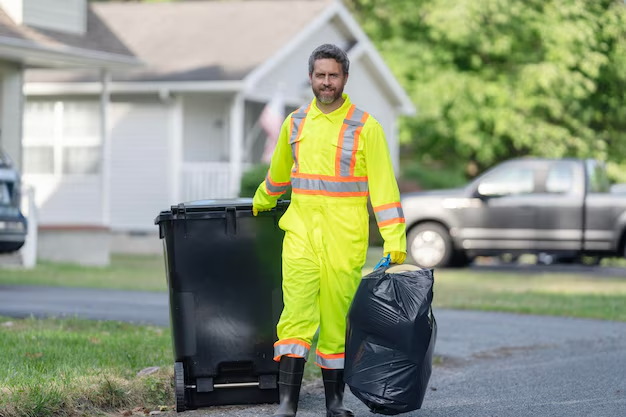
How Trash and Recycling Collection Works in Oklahoma City
Oklahoma City's waste management system operates through the city's Public Works Department, which manages residential pickup across most of the metro area. Understanding how your collection day works, what gets picked up, and where your trash actually goes will help you avoid missed pickups and contamination issues that slow the entire municipal system.
The Basics: What the City Collects and When
The City of Oklahoma City provides weekly trash collection to residential properties within city limits. Standard pickup occurs once per week; the specific day depends on which service zone your address falls into. You can verify your collection day by entering your address on the city's website or calling the Public Works Department's customer service line.
The city supplies a 64-gallon automated cart for trash and a separate 64-gallon cart for recyclables. Both carts are standard across the city, making them compatible with the mechanical lift trucks that service neighborhoods. Residents do not own these carts; they remain city property, and damage beyond normal wear requires a replacement fee.
Pickup begins early morning, typically before 7 a.m., and crews work through the day to complete their zones. Carts must be at the curb by 6 a.m. on your collection day and should be removed by the end of that day. Leaving carts at the curb permanently invites violations and fines.
What Goes in the Trash Cart
Standard household waste, food scraps, and non-recyclable items belong in your trash cart. The city does not charge per bag or by weight; it is a flat weekly rate included in property taxes or utility bills for most residents. However, overstuffed carts or items that do not fit in the standard container will not be picked up.
Bulky items such as furniture, appliances, or construction debris require separate arrangement. The city offers twice-yearly bulk waste pickup events; residents can also schedule individual pickup for large items through a separate request, though fees apply for certain materials. Hazardous waste, including paint, batteries, and chemicals, cannot go in regular trash and must be disposed of through special collection events or drop-off locations coordinated by the city.
Recycling: Contamination and What Actually Gets Processed
The city's blue cart recycling program accepts paper, cardboard, aluminum, steel cans, and most plastics numbered 1 through 7. However, the distinction between what residents think belongs in recycling and what the material recovery facility can actually process creates significant operational friction.
Common contamination includes plastic bags (which jam sorting equipment), food-soiled containers, and items that should never enter the stream such as plastic wrap, styrofoam, and garden hoses. Contaminated loads reduce the quality of recovered material, lower its resale value, and increase processing costs for the city. A single batch of heavily contaminated recyclables can force workers to divert an entire truck's load to the landfill.
Residents should empty containers before recycling them and place all items loose in the cart, not in bags. The city's Public Works Department publishes a specific list of acceptable items; when in doubt, trash is the safer choice.
Service Outside City Limits
Residents in unincorporated areas of Oklahoma County or in suburbs like Edmond, Norman, or Mustang rely on private waste management companies. The city does not service these areas, so collection days, cart sizes, and pricing vary by provider. Some suburban municipalities contract with regional companies; others allow residents to choose among several providers. Check with your city or county for the approved list of licensed waste haulers in your area.
Rates and Billing
The exact cost of trash and recycling service depends on your property type and billing structure. For owner-occupied single-family homes within Oklahoma City proper, the charge typically appears on your utility bill. The monthly rate remains consistent year-round; there is no seasonal adjustment or surcharge for holiday weeks when pickup may fall on a different day.
Renters and apartment dwellers may have service included in rent or managed through a separate arrangement with the building owner. Large multifamily properties often contract directly with waste management companies rather than relying on city pickup.
Holiday Schedules and Delays
The city observes New Year's Day, Independence Day, Thanksgiving, and Christmas. When a holiday falls on a collection day, pickup is typically delayed by one day that week; the Public Works Department announces specific schedules well in advance. During high-volume weeks around the holidays, crews may run one day behind normal schedule, so patience is warranted if your cart sits for an extra day.
What Happens After Pickup
Collected trash is transported to the city's landfill, which accepts residential and commercial waste for the metro area. The facility operates under state environmental regulations and is monitored for groundwater contamination and gas management. Recyclable materials are taken to a material recovery facility, where they are sorted, baled, and sold to manufacturers or brokers. The revenue from recycled material sales offsets some operational costs but does not eliminate the need for municipal funding.
Filing Complaints and Requesting Service Changes
Missed pickups should be reported to Public Works within 24 hours of your collection day. The department will attempt to retrieve your cart if the complaint is filed promptly. Repeat missed pickups at the same address warrant a service call to inspect the area for access or cart placement issues.
If you need a replacement cart due to damage, or if you want to adjust service (such as requesting a second trash cart for a large household), contact the Public Works customer service line. Some requests incur fees; others are resolved at no cost depending on the reason.
Residents with questions about what belongs in recycling or concerns about contamination can request a free audit of their carts. A city representative will review your sorting practices and provide specific guidance.
The system functions smoothly only when carts are properly prepared and placed on time. Small changes in individual compliance improve collection efficiency across the entire municipal operation.