How Oklahoma City Police Respond to Vehicle-Related Incidents and What You Should Know
When you encounter a police car in Oklahoma City, whether during a traffic stop, accident scene, or emergency response, understanding how the department operates and what to expect can clarify your interaction and reduce confusion. This guide covers the Oklahoma City Police Department's vehicle operations, the types of calls they respond to, how to request police assistance, and what civilians should know about police vehicle protocols in the city.
The Oklahoma City Police Department's Fleet and Response Structure
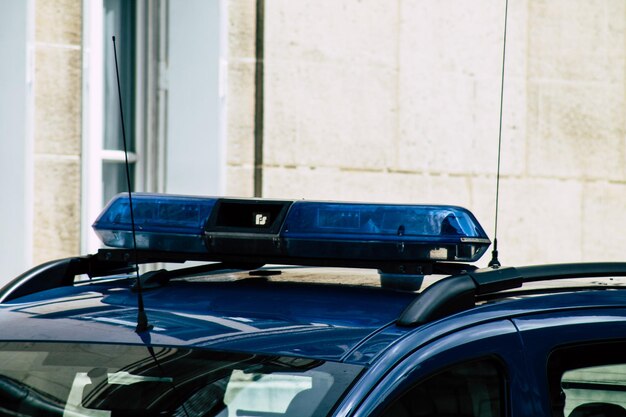
The Oklahoma City Police Department operates from police stations distributed across the city's patrol districts. The department maintains a fleet of marked and unmarked vehicles to handle everything from traffic enforcement to emergency response. Marked patrol cars, typically Ford Police Interceptor Utility vehicles in white with blue and red markings, serve as the most visible presence in neighborhoods. These vehicles are stationed at precincts covering areas like Midtown, Northeast OKC, and Southwest Oklahoma City, each with different response times depending on call volume and officer availability.
The department's dispatch center, which coordinates all emergency and non-emergency calls across Oklahoma City, receives roughly 500,000 calls annually (a figure reflecting pre-pandemic data; verify current volume through the Oklahoma City Police Department's public information office). Not all calls result in a vehicle response. The dispatcher assesses whether the situation requires immediate police presence, delayed response, or a report-by-phone option. For emergencies like accidents with injuries, active crimes, or welfare checks, officers respond in vehicles equipped with emergency lights and sirens.
Types of Vehicle-Related Police Responses
Police cars respond to several categories of vehicle-related incidents in Oklahoma City. The most common is traffic enforcement, where officers conduct stops for moving violations ranging from speeding to failure to use turn signals. Oklahoma City enforces state traffic laws, and officers use hand-held radar and lidar devices to measure speed. The decision to stop a vehicle depends on officer judgment and department priorities, which shift seasonally and by area. During winter months, officers may prioritize aggressive driving; during school year mornings and afternoons, speeding enforcement near schools increases.
Accident response represents another major category. When two or more vehicles collide, Oklahoma law requires officers to respond if there are injuries, substantial vehicle damage, or a traffic obstruction. The responding officer prepares an accident report, which you can obtain from the Oklahoma City Police Department's Records and Fingerprint Bureau if you were involved. Response times for accident scenes without injuries typically range from 30 minutes to several hours, depending on officer availability; injury accidents receive faster dispatch.
Welfare checks and suspicious vehicle calls form a third category. If someone reports an unattended car running in a parking lot, a vehicle left at a curb for days, or a driver appearing incapacitated, an officer will respond to assess the situation. These calls often reveal nothing wrong but occasionally prevent vehicle theft or medical emergencies.
How to Request Police Assistance in Oklahoma City
Calling 911 from any phone connects you to the Oklahoma City Emergency Communications Center. Use 911 only for situations requiring immediate police response: accidents with injuries, crimes in progress, threats, or medical emergencies. The dispatcher will ask your location, the nature of the emergency, and descriptions of any involved vehicles or individuals. Provide specific details like the vehicle's color, make, direction of travel, and any occupant descriptions to help officers locate the right car.
For non-emergency situations, call the Oklahoma City Police Department's non-emergency line rather than 911. Situations that warrant non-emergency reporting include vehicle damage discovered in a parking lot, a theft that occurred hours earlier, a suspicious vehicle that has since left, or a request to file a report for insurance purposes. Non-emergency calls typically reach an officer within hours rather than minutes, and the officer may take your report by phone instead of in person.
If you are stopped by a police car, remain calm and keep your hands visible. The officer will approach your window and request your driver's license, vehicle registration, and proof of insurance. In Oklahoma, you are required by law to provide these documents. If you disagree with the stop or the citation issued, you can contest it in traffic court; arguing with the officer on the roadside will not change the outcome and may escalate the situation. The officer will either issue a citation, issue a warning, or allow you to proceed without either.
Understanding Police Vehicle Markings and Response Priorities
Oklahoma City Police Department vehicles display specific markings that indicate their function. Marked cars with emergency lights visible are for general patrol and emergency response. Some marked cars carry special equipment for specific units, such as traffic enforcement or community policing. Unmarked vehicles, often used by detectives or specialized units, lack the blue and red markings but display emergency lights and sirens when responding to calls.
Response priority in Oklahoma City follows a dispatch system that categorizes calls by urgency. Life-threatening emergencies receive first priority, meaning all available officers redirect to that call. Property crimes with no immediate threat receive lower priority and may take hours to investigate, or the victim may be asked to come to a station to file a report. Traffic stops fall between these categories; an officer conducting a traffic stop may leave that stop to respond to a higher-priority call.
During major events in Oklahoma City, such as Thunder games at Paycom Center or large public gatherings downtown, police deploy additional vehicles and officers to manage traffic flow and security. These high-visibility operations may include motorcycle officers, traffic control units, and unmarked vehicles staging in strategic locations. If you are traveling downtown during events, expect increased police presence and longer travel times.
What to Do After a Police Interaction
If you receive a citation, you have options. You can pay the fine by mail using the case number on the ticket, appear in court to contest it, or complete traffic school (if eligible) to have the violation dismissed or reduced. Oklahoma City traffic court operates from the courthouse downtown, and you can verify your court date and citation details through the Oklahoma County District Court website.
If you are involved in an accident and the police report is filed, you can obtain a copy from the Oklahoma City Police Department's Records Bureau. You will need to provide the accident date, location, and your name to request the report. Law enforcement reports are public record in Oklahoma unless they involve juveniles or sensitive investigative details.
For complaints about police vehicle operations, conduct, or response times, the Oklahoma City Police Department maintains an Internal Affairs division that handles citizen complaints. You can file a complaint at any police station or through the department's online system. Include specific details such as the date, time, location, and any vehicle or officer identification numbers visible.
Understanding how police vehicles operate in Oklahoma City helps you navigate interactions more confidently, know what to expect during emergencies, and understand your options if you receive a citation or need to file a report.