Garden Centers in Oklahoma City: Where to Source Plants, Soil, and Landscaping Supplies
When you're planning landscaping work or need plants for a renovation, the garden center you choose affects both your budget and the quality of what you'll plant. Oklahoma City has several options, each with different strengths in plant selection, soil quality, pricing, and service depth. This guide covers where to find reliable plants and materials across the metro area, what to expect at each type of center, and how to match your project to the right supplier.
Types of Garden Centers and Their Trade-offs
Oklahoma City's garden retail splits into three categories: large-format box stores with garden departments, independent garden centers, and specialty nurseries. Each serves different needs.
Box store garden sections (present at most Lowe's and Home Depot locations throughout OKC) stock basics year-round: annuals in spring, perennials, shrubs, mulch, topsoil, and fertilizers. Prices are competitive because volume is high. The downside: plant selection reflects regional standardization rather than adaptation to Oklahoma's specific climate zones (5b to 6a). Staff knowledge varies; you may get accurate advice or generic guidance. Soil and mulch are priced per bag or bulk load, typically $3 to $8 per bag for potting soil and $2 to $5 for mulch, but bulk pricing at box stores is often higher per unit than independent centers offer.
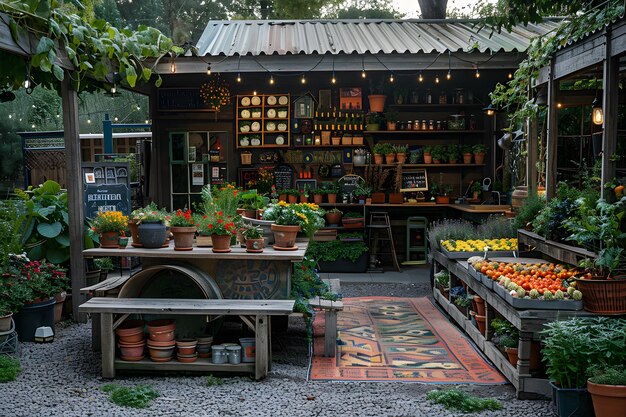
Independent garden centers in Oklahoma City neighborhoods like Midtown and near the Paseo district tend to carry deeper plant selections suited to local growing conditions. These centers stock native Oklahoma plants, xeric varieties for drought tolerance, and trial plants less common in chains. Staff typically has horticultural training and knows which plants perform reliably in Oklahoma summers and winters. Prices on individual plants and soil products are often 10 to 20 percent higher than box stores, but bulk soil and mulch discounts can offset that for larger projects. Many offer landscape consultation or design services at an hourly rate.
Specialty nurseries focus on particular plant categories: native plants, shade perennials, ornamental grasses, or fruit trees. These are worth visiting if your project requires expertise in one area. Finding them requires targeted search; they don't maintain the high street visibility of chain stores.
Soil and Mulch: Bulk vs. Bagged and Price Differences
Oklahoma's native soils are often clay-heavy and alkaline (pH 7.5 to 8.5), so most planting projects require amended soil or compost. Bagged options from box stores are convenient for small projects but economically inefficient for anything larger than three or four planting beds.
Bulk soil delivery is available from independent garden centers and some landscape supply yards. Pricing typically runs $35 to $55 per cubic yard for quality topsoil or compost, with delivery fees of $50 to $100 depending on distance from the supplier. If you're filling more than two cubic yards, bulk is almost always cheaper than bagged. One cubic yard covers a 10-by-10-foot area three inches deep, so measure your space before ordering.
Mulch bulk pricing is similarly advantageous. Bagged mulch from box stores costs $4 to $7 per bag (typically two to three cubic feet per bag); you need 13 to 20 bags to cover 100 square feet three inches deep. Bulk mulch runs $25 to $40 per cubic yard, which covers the same area for a fraction of the cost. Hardwood mulch is standard; some centers stock pine or cedar at a slight premium.
Timing and Seasonal Availability
Spring is the dominant retail season (March through May in Oklahoma). Plant selection peaks, but so do prices and crowds. Summer inventory shifts toward heat-tolerant annuals and perennials; this is when native plants and xeric varieties become more available as center managers prepare for Oklahoma's hot, dry season.
Fall (September through November) is underrated. Plant prices often drop 20 to 40 percent in late September and October as retailers clear inventory. Trees and shrubs planted in fall have six months of mild weather to establish roots before the next summer heat, making them more resilient than spring plantings. Many independent centers restock native plants and shade perennials in fall specifically for this reason.
Winter inventory is minimal, though some centers stock poinsettias and seasonal plants. Soil and mulch are still available but less prominently displayed; call ahead if you need bulk deliveries during winter months.
What to Know Before You Buy
Inspect plants for pest damage and root health before purchase. Roots should be white or light brown and fill the pot without circling excessively. Yellow or brown leaves, sticky residue on stems, or visible insects are red flags. Box stores typically accept returns within a set period if plants fail; independent centers vary. Ask about their guarantee policy before buying.
For soil, ask about sourcing and amendments. Does the topsoil contain compost, peat moss, or composted bark? What is the pH? For clay-heavy Oklahoma gardens, a blend that includes 30 to 40 percent compost is more effective than pure topsoil. Some centers provide soil testing or pH adjustment recommendations.
Mulch material matters less than depth and maintenance. Three inches is standard for beds; two inches for around trees (keep mulch back from the trunk). Reapply annually or as it decomposes. Dyed mulch lasts longer visually but doesn't offer functional advantages over natural hardwood mulch.
Practical Next Steps
For a small planting project (under ten square feet), a box store visit is efficient and cost-effective. For anything larger, get a bulk quote from an independent center; the savings usually justify the phone call. If your project involves specific plant types (native Oklahoma species, for example, or shade perennials for a north-facing bed), contact a specialty nursery before visiting a general garden center. They can confirm stock and often hold plants for a few days.
Measure your space, note sunlight patterns (full sun, part shade, full shade), and check your soil pH if you have a test kit before visiting. This speeds up plant selection and reduces returns. Many Oklahoma City garden centers offer soil testing; ask about the cost and turnaround time when you call.