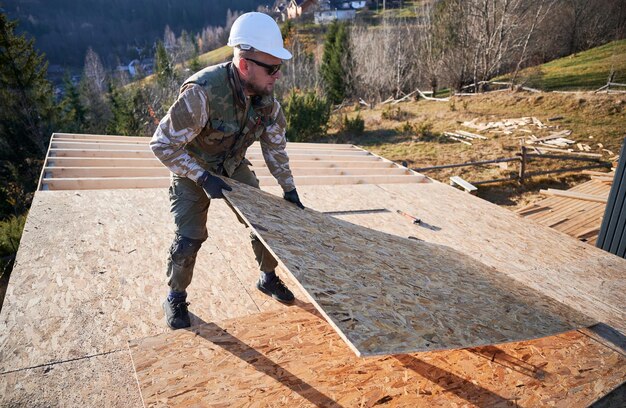
What to Expect When Replacing Your Roof in Oklahoma City
Roof replacement in Oklahoma City involves navigating hail risk, wind exposure, material availability, and contractor density that make this market distinct from national averages. This guide covers what homeowners should know about timing, material selection, cost ranges, and finding reliable contractors in the metro area.
The Oklahoma City Climate and Roof Lifespan
Oklahoma City sits in a region where roofs face accelerated wear compared to many U.S. markets. Spring hailstorms occur regularly, with the National Weather Service Oklahoma City office documenting multiple significant hail events annually that damage asphalt shingles and impact insurance claims. Wind events during severe weather can exceed 60 mph, stressing roof fasteners and edge details.
Standard architectural asphalt shingles, the most common material in the area, typically last 15 to 18 years in Oklahoma City's climate rather than the often-cited 20 to 25 year lifespan used nationally. Many homeowners discover leaks or interior damage following spring storms rather than experiencing gradual aging. This compressed timeline means roof inspections after hail events are practical, not paranoid.
Material Options and Trade-offs
Architectural asphalt shingles dominate Oklahoma City roofing. Prices in the metro area typically fall between $7,500 and $12,000 for a 2,000 square-foot roof with standard pitch and minimal complexity, installed. Impact-resistant variants rated Class 4 (the highest impact rating) cost 15 to 25 percent more but may qualify for homeowner insurance discounts of 10 to 20 percent with some providers. Given hail frequency, this calculation often favors the upgrade.
Metal roofing has gained adoption in Oklahoma City neighborhoods including Edmond, Norman, and areas surrounding Lake Hefner. Standing seam metal typically costs $14,000 to $20,000 for the same 2,000 square-foot home. Advantages include durability (40 to 70 year lifespan), superior wind resistance, and better snow shedding in rare winter events. The trade-off is upfront cost and contractor availability; fewer installers in the metro area specialize in metal, which can extend project timelines.
Tile and slate appear sporadically in Nichols Hills and other higher-end neighborhoods but remain uncommon. Availability of skilled installers and material supply chains make these impractical for most Oklahoma City homeowners.
TPO and rubber flat-roof systems apply mainly to commercial properties and flat-roof residential sections. Residential flat roofs are less common in the metro area, though they do appear on modern designs in Midtown OKC and similar walkable districts.
When to Schedule Replacement
Late summer and early fall offer practical advantages. Spring and early summer are peak season in Oklahoma City, and contractors often book 6 to 8 weeks out. Scheduling for August or September usually means shorter wait times and faster completion before winter weather. Winter storms can delay work, and late spring brings the hail season.
Most roof replacements take 1 to 3 days depending on size, complexity, and crew size. Removal and disposal of old shingles accounts for roughly 30 percent of labor time. Weather delays are common; afternoon thunderstorms can interrupt work for a full day.
Finding Contractors and Evaluating Estimates
Oklahoma City has high contractor density. The challenge is vetting for licensure, insurance, and actual capacity rather than finding options. Oklahoma's licensing system for roofers is voluntary; many contractors operate without state licensure. Verify current liability insurance ($2 million minimum is standard) and workers' compensation coverage before accepting an estimate. Ask whether the company holds a city business license in Oklahoma City proper if you live within city limits.
Request at least three written estimates. Legitimate contractors include materials, labor, disposal, and warranty terms. Estimates should specify shingle grade and weight (architectural asphalt shingles in the $7,500 to $12,000 range are typically 30 to 40 pound varieties), number of layers being removed, and guarantee length (10 to 25 years is typical). Prices that deviate sharply low often signal inexperience, inadequate crew size, or cutting corners on materials.
Check references with prior customers in Oklahoma City itself; weather and material availability differ by region. Ask specifically about handling of damage to gutters, fascia, and flashing, not just the main field of shingles.
Insurance and Hail Damage Claims
After significant hail events, homeowner insurance claims spike in Oklahoma City. If you suspect hail damage, file a claim promptly. Insurance adjusters typically complete inspections within 7 to 10 days during normal periods but face delays of several weeks after large storms. Get your own roof inspection from a roofer if you're uncertain; this costs $150 to $300 but prevents gaps in documentation.
Insurance may cover replacement if damage exceeds a threshold (often 20 percent of roof area), depending on your policy's deductible and coverage limits. Deductibles for hail damage sometimes differ from standard deductibles; review your policy.
Warranties and Guarantees
Manufacturer warranties on shingles cover defects but not weather damage or installation failure. Contractor workmanship warranties typically run 10 years. Some Oklahoma City contractors offer 25-year warranties as a selling point; verify these are in writing and transferable if you sell the home. Transferable warranties add value during resale in the metro area.
Practical Next Step
Request written estimates from three licensed contractors with verifiable insurance in your neighborhood or zip code. Specify the material grade, warranty terms, and timeline in writing before signing. In Oklahoma City's hail-prone climate, spending an extra 15 percent for impact-resistant shingles or metal typically recovers itself through insurance savings and extended roof life.