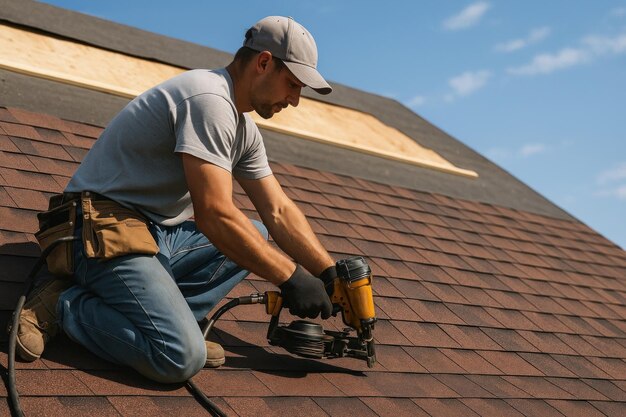
When Your Roof Needs Repair in Oklahoma City: What Costs, Timeline, and Weather Patterns Mean for Your Decision
Roof damage in Oklahoma City follows predictable seasonal patterns, and knowing what drives local repair costs and timelines will help you avoid emergency pricing and unnecessary delays. This guide covers what causes roofing problems specific to the Oklahoma City area, realistic pricing for common repairs, how to evaluate contractors, and why timing matters before severe weather returns.
Why Oklahoma City Roofs Fail Faster Than National Averages
Oklahoma City experiences weather that accelerates roof deterioration. Spring hail storms, which peak April through June, cause impact damage that insurance often covers but homeowners frequently miss during initial inspections. The city's temperature swings, from below freezing in winter to sustained heat above 95°F in summer, create expansion and contraction cycles that weaken fasteners and membrane seals over time.
Wind is another factor. Sustained winds during spring and fall storm systems can lift shingles, especially on roof edges and at corners where uplift stress concentrates. Older single-tab asphalt shingles, common on homes built before 2005 in neighborhoods like Edmond and parts of northwest Oklahoma City, are vulnerable to wind damage at speeds as low as 50 mph.
The city's clay soil also matters. Foundation settling, which is common in the metro area due to seasonal moisture changes in the clay, can cause roof framing to shift slightly. This stress transfers to roof seams, flashing, and valleys, creating small cracks that expand into major leaks within months if left unaddressed.
Repair Costs and What They Cover
A single shingle repair, which involves removing damaged shingles, replacing decking if needed, and installing new shingles to match the existing roof, typically costs $150 to $400 in the Oklahoma City area. Pricing depends on shingle type (architectural shingles cost more than 3-tab), roof pitch, and whether the contractor can match your existing shingle color and brand (older roofs may require special-order shingles, adding $50 to $100).
Flashing repairs, which seal transitions at chimneys, vents, and roof-to-wall intersections, run $200 to $600 depending on the linear footage involved and material (aluminum, galvanized steel, or copper). Flashing failures account for 30 to 40 percent of roof leaks reported to roofing contractors in Oklahoma City, because caulk sealant degrades faster in the city's temperature extremes.
Membrane or patch repairs for flat roofs or low-slope roofs found on many commercial buildings and modern residential additions cost $300 to $800 for areas up to 100 square feet. TPO (thermoplastic polyolefin) membranes, increasingly common on newer construction in Edmond and the northeast side of Oklahoma City, can be patched for less than EPDM (ethylene propylene diene monomer) rubber roofs, which require compatible patching materials.
Full roof replacement, which becomes necessary when damage covers more than 30 percent of the roof surface or when the roof is near or past its expected life, ranges from $8,000 to $18,000 for a typical 2,000-square-foot home depending on materials. Architectural shingles cost 15 to 25 percent more than basic 3-tab shingles but last 5 to 10 years longer and better withstand Oklahoma City's wind and hail.
Evaluating Contractors: Key Questions Beyond Price
Price alone is a poor indicator of quality in Oklahoma City's roofing market. Three factors distinguish reliable contractors from those who cut corners:
Insurance and licensing. Verify the contractor holds an Oklahoma roofing license (the Oklahoma Construction Industries Board maintains a searchable database). Confirm liability insurance and workers compensation coverage by asking for current certificates. Contractors operating in Edmond, Norman, and Midwest City must also comply with municipal licensing requirements, which vary. A contractor who resists providing proof likely operates without proper coverage, leaving you liable if someone is injured on your property.
Warranty specifics. Reputable contractors offer both material warranties (provided by the shingle or membrane manufacturer, typically 10 to 25 years) and workmanship warranties (typically 5 to 10 years on labor). Ask whether the workmanship warranty is transferable if you sell your home. Non-transferable warranties reduce resale appeal. Also ask whether the contractor's warranty covers wind damage; some exclude it, meaning you absorb the cost of wind-related repairs.
References and history. Request contact information for three recent jobs in Oklahoma City, ideally completed more than one year ago so you can assess longevity. Ask those references specifically whether they experienced leaks, granule shedding, or other failures within the first year. A contractor with a five-year presence in the area is typically more accountable than one operating month-to-month from a cell phone number.
Timing and Seasonal Pressure
Spring and early fall are peak demand periods for roofing contractors in Oklahoma City. Scheduling a repair in May or September can add 2 to 4 weeks to the timeline as contractors balance hail damage claims and seasonal inspections. Winter, despite colder conditions, often offers faster scheduling (1 to 2 weeks) because demand drops. However, contractors charge 10 to 15 percent premiums for winter work due to slower material installation in cold temperatures and the need for heated enclosures on some jobs.
If you can postpone non-emergency repairs until November or December, you'll typically save money and secure faster appointments. However, delaying repairs to obvious damage (missing shingles, visible water staining on interior ceilings, daylight through the attic) risks accelerated deterioration. Oklahoma's temperature swings cause water that enters small cracks to freeze and expand, widening damage significantly between seasonal checks.
Insurance Claims and Depreciation
Most homeowners insurance policies in Oklahoma City cover hail and wind damage but exclude wear-and-tear or gradual failures. After a hail storm, file a claim within 30 days to preserve your right to coverage. Insurance adjusters typically compare repair estimates; if your contractor's estimate exceeds the adjuster's assessment, the adjuster's number usually prevails unless you challenge it with additional documentation.
Understand depreciation. Older roofs receive reduced settlement amounts. An adjuster may value a shingle replacement at $400 but apply 50 percent depreciation on a roof that's already 10 years old, paying only $200. This depreciation is why some homeowners keep detailed photos and maintenance records: they support claims that the roof was in good condition when damage occurred.
When Repair Becomes Replacement
Repair remains cost-effective as long as damage is localized and your roof has 5 or more years of expected life remaining. A typical asphalt shingle roof lasts 15 to 20 years in Oklahoma City's climate; architectural shingles reach 20 to 25 years. If your roof is 12 or older and you need repairs, get a replacement quote. The labor cost difference between a major repair and a full replacement often shrinks when you factor in the contractor's overhead, making replacement a better value for aging roofs.
Gather three written estimates from licensed contractors, verify references, confirm warranty terms in writing, and schedule work during off-peak months if the damage allows delay. This approach typically reduces costs by 10 to 20 percent compared to emergency repairs.