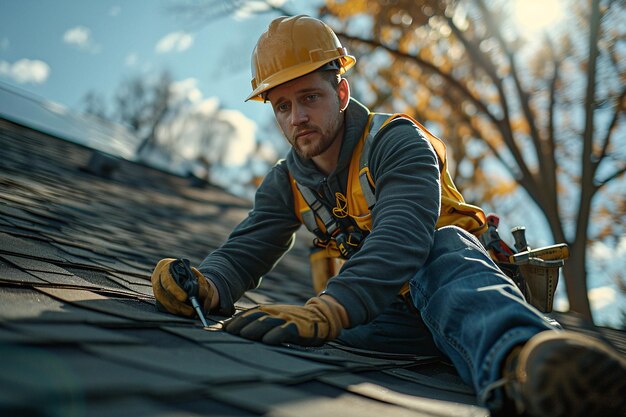
Roofing in Oklahoma City: Material Selection and Contractor Priorities for Local Conditions
Roof replacement and repair in Oklahoma City requires decisions shaped by the region's specific weather patterns and contractor landscape. This guide covers material durability under local conditions, how to evaluate contractors in the Oklahoma City market, and the practical steps that separate a sound investment from a costly mistake.
Why Oklahoma City's Climate Shapes Roofing Choices
The Oklahoma City metro experiences two opposing seasonal stresses that wear roofs faster than national averages. Summer temperatures regularly exceed 95 degrees, paired with intense UV exposure and occasional hail from severe thunderstorms. Winter brings ice dams and freeze-thaw cycles that stress shingles and flashing. Humidity is moderate year-round but swings sharply during spring storm season, creating conditions where moisture can penetrate poorly sealed roof systems.
This climate profile means roofing materials popular in mild regions may underperform here. Asphalt shingles rated for 20-year lifespans frequently require replacement in 15 to 17 years in Oklahoma City if installed without hail-resistant upgrades. Understanding this local reality before signing a contract prevents disputes about coverage and longevity.
Material Trade-offs in the Oklahoma City Market
Asphalt shingles dominate residential roofing in Oklahoma City because they cost $7,000 to $12,000 installed for a 2,000-square-foot single-story home. Standard 3-tab shingles are the budget baseline. Architectural (laminated) shingles add $2,000 to $3,000 but withstand hail better and last 2 to 3 years longer under Oklahoma City sun. Asphalt's advantage is immediate availability and dozens of local installer options; the trade-off is that UV exposure and hail damage accelerate deterioration compared to metal or tile.
Metal roofing costs $12,000 to $18,000 for the same 2,000-square-foot footprint but resists both hail and UV damage substantially. Standing-seam metal systems (vertical ribs with sealed joints) are the most durable. Metal roofs reflect summer heat effectively, which can reduce cooling costs by 10 to 15 percent in Oklahoma City's heat. The downside: fewer contractors in the metro specialize in metal installation, and finding one experienced with local wind uplift codes requires vetting.
Tile roofing (clay or concrete) is less common in Oklahoma City than in southwestern states but appears on older homes in Nichols Hills and near the Classen Boulevard corridor. Tile costs $15,000 to $25,000 installed and lasts 50+ years. It handles hail well but is heavy; older homes may need structural reinforcement. Very few Oklahoma City roofers service tile repairs, making ongoing maintenance harder.
Synthetic shingles and composite products claim longevity of 30+ years but have a 15-year track record in Oklahoma City's climate. Costs range from $10,000 to $15,000. They resist hail and UV well but are newer to the regional market, meaning contractor familiarity varies.
For most Oklahoma City homeowners, the practical choice is architectural asphalt shingles or metal. Asphalt requires earlier replacement but costs less upfront; metal spreads the expense over a longer interval, which favors long-term ownership.
Evaluating Contractors: What Matters Locally
Oklahoma roofing contractors must carry a general liability insurance minimum of $300,000 and carry workers' compensation if they employ anyone. Verify both before hiring. The Oklahoma Construction Industries Board licenses roofing contractors; check the OCIB database to confirm a contractor is registered and has no open complaints.
Three contractor attributes matter more than reputation alone in the Oklahoma City market:
Hail claim experience. If your roof sustains hail damage, you'll file a homeowner insurance claim. Contractors who regularly work with insurance adjusters and understand Oklahoma City's adjustment process save you time and disputes. Ask directly whether they've handled 50+ insurance claims in the past five years. Contractors unfamiliar with the adjustment process may underestimate damage, forcing you into a second claim later.
Wind warranty coverage. Oklahoma City sits in a zone where straight-line winds and occasional tornadoes put roofs at risk. Many installers offer a manufacturer's warranty but not a workmanship warranty covering wind-related failures. Ask whether your installation includes a wind warranty for 10+ years. Some premium contractors in the metro offer this; others exclude it unless you pay extra.
Timeline and subcontractor reliance. Busy roofing seasons in Oklahoma City (March through May, September through October) can delay installation. Ask whether the contractor performs work in-house or uses subcontractors. In-house crews are more predictable; heavy subcontracting can mean quality variation. Get a firm start and completion date in writing.
Local Permit and Insurance Realities
Oklahoma City does not require a roofing permit for standard residential re-roofing, but a permit is required if the work involves structural changes or a full roof system removal. City of Oklahoma City Building Services processes permit requests; expect 2 to 5 business days. Your contractor should handle this, but verify they've applied on time before work begins.
Insurance coverage varies sharply by policy. Most homeowner policies cover roof replacement due to weather but not wear and tear. If your roof is over 20 years old, your insurer may deny a claim unless you've upgraded to impact-resistant shingles (typically asphalt or metal rated for Class 4 hail resistance). Confirm your policy terms before choosing materials; a material chosen for cost-effectiveness may not be insurable under your current plan.
Practical Action: Steps Before Hiring
Request written estimates from at least three contractors. A credible estimate includes: square footage of the roof, material type and grade, labor cost breakdown, removal of old roofing versus overlay (overlay is not permitted over two layers in Oklahoma City code), warranty details, and timeline. Estimates under $7,000 for a 2,000-square-foot asphalt roof suggest either low-quality material or underestimation of work.
Photograph your roof's current condition and save the images. If damage occurs during work or weather strikes before installation, photos establish your baseline. Confirm the contractor has Oklahoma roofing licensure and ask for three references from projects completed in Oklahoma City proper (not surrounding suburbs, where conditions vary). Call those references and ask specifically about their experience with insurance adjusters and whether final costs matched estimates.
Get a contract specifying start date, completion date, material grade, warranty terms, and final cost. Do not pay the full amount upfront; standard practice is one-third down, one-third at mid-project, and one-third upon inspection and completion.
Roofing decisions in Oklahoma City hinge on matching material durability to the local climate and choosing a contractor with the specific expertise that local weather demands require. Your investment will outperform both the material's listed lifespan and the contractor's promises only if both elements align with how Oklahoma City's heat, hail, and wind actually stress roofs.