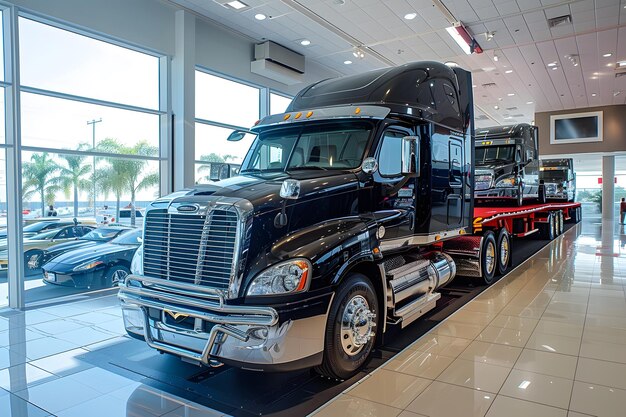
Buying and Selling Heavy Trucks in Oklahoma City: What Local Dealers and Private Sellers Expect
When you're shopping for a used heavy truck in Oklahoma City, you're entering a market shaped by the region's energy sector, agricultural operations, and interstate logistics. This guide walks through what to expect from dealers operating in the metro area, pricing benchmarks tied to local demand, and the specific inspection points that matter when vehicles have worked in Oklahoma's climate and terrain.
The Local Truck Market and Why It Matters
Oklahoma City's truck market splits cleanly between dealership inventory and private sales, each with distinct advantages depending on whether you're buying for commercial operations or personal use. Dealers in the metro area typically stock inventory aimed at contractors, fleet operators, and ranchers, which means you'll find trucks configured for work rather than cosmetic appeal. Private sellers often include owner-operators who've used vehicles for specific tasks, meaning condition reports tend to reflect actual use patterns rather than showroom rotation.
The market prices differently than national averages because local buyers understand the wear patterns of Oklahoma terrain. Trucks that have run the red dirt roads around the Oklahoma City metro area show predictable rust patterns along undercarriage components exposed to clay dust and seasonal moisture. Dealers factor this into asking prices; a truck with 180,000 miles that's been serviced regionally costs less than an equivalent vehicle from a dry climate, not because it's a worse truck but because buyers expect specific corrosion points and understand the repair timeline.
Demand peaks between March and May when ranch operations expand seasonal crews and construction companies prepare for the summer push. Winter months (December through February) see softer demand and slightly better negotiating room, particularly for vehicles without heated cabs or proven cold-start reliability.
Dealership Operations and Inventory Expectations
Heavy truck dealerships operating near Oklahoma City typically maintain inventories between 40 and 120 units, with stock rotating through auctions, trade-ins, and direct purchases from fleet liquidations. Dealers generally mark up used trucks 12 to 18 percent above acquisition cost, slightly lower than national averages because the local market rewards realistic pricing and repeat business from commercial buyers who track market rates.
Most dealers in the metro area require a pre-purchase inspection before sale, with costs between $150 and $350 depending on whether the inspection is in-house or referred to an independent shop. This inspection is non-negotiable for commercial-grade trucks; dealers carry liability insurance that requires documented mechanical clearance. The inspection typically covers brake line integrity, transmission fluid condition (critical for vehicles with 150,000+ miles), suspension components, and brake fade testing.
Financing through Oklahoma City-based credit unions often yields better rates than dealership in-house financing. The Oklahoma City Employees Credit Union and Tinker Federal Credit Union both offer truck loans with rates tied to vehicle age and mileage; expect 5.5 to 7.2 percent APR for trucks between 10 and 15 years old, depending on down payment size. Dealerships will match or beat credit union rates to close sales, but knowing the baseline rate prevents overpaying on the loan side.
Warranty coverage on used heavy trucks is typically limited to 30 days on the powertrain and 15 days on components, significantly shorter than consumer vehicles. Some dealers offer extended powertrain warranties (6 months to 1 year) for an additional 8 to 12 percent of the purchase price; this matters if you're buying a truck with unknown service history.
Private Sales: Condition Assessment and Red Flags
Private sellers in the Oklahoma City area often list trucks through Craigslist, Facebook Marketplace, and regional auction sites rather than traditional dealership channels. Prices run 5 to 12 percent lower than dealer equivalents for the same model year and mileage, but without the legal protection of a dealership transaction. Oklahoma's title transfer process requires the seller's signature on the title and odometer statement; ensure the odometer reading matches the truck's actual mileage to avoid odometer fraud complications.
When inspecting a private-sale truck, focus on corrosion in suspension mounting points, transmission cooler lines, and the steering gear box. Oklahoma City's climate creates specific rust patterns: vehicles garaged indoors show rust concentrated where gravel dust settles (lower rear frame rail, differential housing); vehicles stored outdoors often develop rust at windshield trim, door seals, and cab corners. Neither pattern disqualifies a truck, but each indicates the repair budget you'll need.
Request maintenance records covering the previous 24 months. Private sellers who can produce service records from local shops (Firestone, Goodyear, or independent diesel shops in the Bricktown or Midtown areas) demonstrate transparency and reduce the risk of hidden major repairs. Trucks with no service documentation carry significantly higher purchase risk; budget 15 to 25 percent less on price to account for unknown condition.
Test drive protocol matters more than many buyers realize. Drive the truck through stop-and-go traffic on Martin Luther King Avenue or in downtown Oklahoma City to assess brake engagement and transmission downshift quality. Then drive 15 miles on the Kilpatrick Turnpike (I-40 West) at highway speeds to test transmission stability and overheating risk. A transmission that slips or exhibits delayed engagement under load will cost $2,500 to $5,000 to rebuild, making this the single most important pre-purchase assessment.
Regional Inspection Priorities
Oklahoma's seasonal temperature swings (100+ degrees in July, occasional freezes in January) stress specific truck systems. Check coolant type and concentration; older trucks using green coolant in a metro area with year-round sun exposure show earlier corrosion in aluminum components. Newer long-life red or orange coolant indicates an owner who maintained manufacturer specs. Coolant testing strips cost $8 and take 30 seconds; this reveals whether cooling system neglect is part of the truck's history.
Brake fluid condition separates maintained trucks from neglected ones. High moisture content in brake fluid (detectable by a mechanic with a digital tester) suggests infrequent brake fluid flushes, common in the Oklahoma City region where dust and humidity accelerate moisture absorption. Budget $400 to $600 for a complete brake fluid flush if the truck shows signs of moisture contamination.
Tire wear patterns reveal suspension geometry. Trucks operating in Oklahoma often encounter uneven road surfaces and rough ranch terrain; premature inside shoulder wear on rear tires indicates worn suspension bushings or axle misalignment, costing $800 to $1,500 to address. Even wear across the tread is the baseline acceptable pattern.
Market Timing and Negotiation
Heavy truck prices in Oklahoma City typically hold steadier than passenger vehicles because commercial buyers operate on replacement cycles rather than fashion trends. A well-maintained truck with 200,000 miles in January costs roughly the same as the same truck in May, with seasonal variance of only 3 to 5 percent. This stability means rushing a purchase to catch a "deal" is unnecessary; the market will offer comparable trucks within the same price band year-round.
Negotiate from the inspection report outward, not from the asking price inward. If the pre-purchase inspection reveals a worn transmission cooler or failing water pump, request the seller credit $1,200 to $1,800 toward repairs rather than negotiating a flat $2,000 price reduction. This approach protects you because you're paying for specific work you've already documented.
Walk away from trucks with frame damage, regardless of price. Oklahoma's clay-based terrain creates potholes and rough washboard surfaces that produce unexpected stresses on frame welds. A truck with visible cracks in the frame is uninsurable for commercial use and poses liability risks.
Practical Next Steps
Have an independent diesel mechanic inspect any truck before purchase, whether from a dealer or private seller. Oklahoma City has several established shops (Diesel Specialists on NW 36th Street, independent shops in the Bricktown industrial area) with hourly rates between $95 and $135. This investment costs $300 to $500 but eliminates surprises after purchase.
Verify title status through the Oklahoma Tax Commission; a clean title takes 5 business days to transfer. Trucks with branded titles (salvage, flood, or lemon law history) cost 30 to 50 percent less but carry title transfer restrictions and insurance complications. Avoid them unless you understand the specific damage history.
Budget for a registration and inspection appointment at an Oklahoma City licensing office. Current heavy truck registration (Class 7 or 8) costs between $400 and $600 annually depending on gross vehicle weight rating. New inspections take 30 minutes and cost $30.