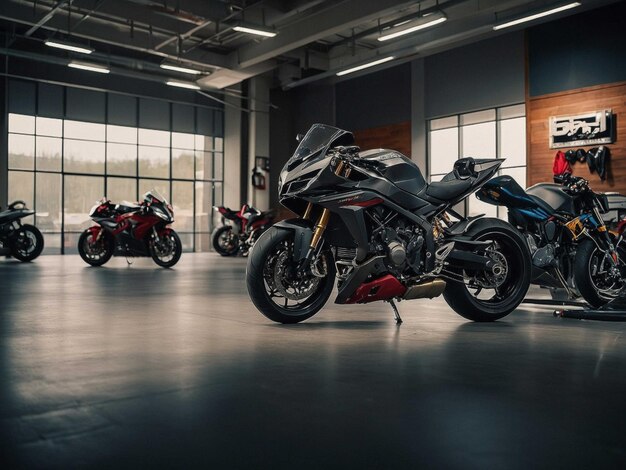
Where to Buy and Service Harley-Davidson in Oklahoma City
This guide covers the Harley-Davidson retail and service landscape in Oklahoma City, explains what separates dealership operations here, and helps you navigate purchasing or maintenance decisions based on inventory depth, service capacity, and pricing patterns specific to the metro area.
The Oklahoma City Harley Market
Oklahoma City sits in a region where Harley-Davidson ownership runs deep. The brand maintains strong dealer representation across the metro, but dealership scale and specialization vary significantly. Unlike markets where a single mega-dealer dominates, Oklahoma City's Harley presence is distributed across independent operations, each with distinct service philosophies and inventory strategies.
The metro area's motorcycle culture centers partly on recreational riding through the Wichita Mountains to the southwest and the Arbuckle Mountains to the south, making local dealers responsive to touring and cruiser demand. This shapes what you'll find on lots and which service departments prioritize certain expertise.
Dealership Operations and Inventory Patterns
Harley-Davidson dealerships in Oklahoma City operate under the manufacturer's franchise model, but their inventory decisions reflect local demand. A dealership serving riders who regularly trailer bikes to weekend trips will stock different configurations than one in a purely urban market. This matters when you're shopping: if you want a specific build, you may wait weeks for order fulfillment or find inventory concentrated at one location.
New bike inventory typically skews toward models suited to Oklahoma riding patterns: cruisers and touring bikes outnumber sportsters and street 750s on most lots. Dealers report that financing terms often run 36 to 84 months, with rates varying by credit tier and lender. Cash purchases avoid dealership financing altogether, but few dealers offer meaningful discounts for paying outright, since they profit from the finance contract itself.
Used inventory tends to be fresher at larger operations because trade-in volume supports faster turnover. Smaller dealerships may hold used stock longer, sometimes pricing more aggressively to move aged inventory. A 2-3 year old model at one dealer might sit for six months while an identical bike turns in four weeks at another, changing the negotiating dynamic.
Service Capacity and Appointment Reality
This is where dealership choice becomes operational rather than brand-romantic. Oklahoma City Harley dealers vary in service scheduling depth. A dealership with two service bays handles routine maintenance differently than one with six, and that gap widens during riding season (March through November here).
Warranty service is performed exclusively at dealerships, so buying from a dealer with stable service staffing matters. Some operations maintain technician continuity; others run thinner and experience turnover that affects diagnosis quality. Ask when scheduling whether the shop is currently quoting wait times longer than two weeks for non-urgent work. If yes, that dealership is capacity-constrained, and you may face delays if a warranty claim requires extended diagnostics.
Harley-specific training is not universal across technicians. Some service departments employ factory-certified technicians; others employ generalist motorcycle mechanics. For major powertrain work, electrical diagnostics, or warranty claims, the distinction affects outcome quality. When comparing dealers, confirm whether they maintain current Harley factory certification for their lead technician.
Service pricing for routine items (oil changes, air filter replacement) stays fairly consistent across dealers due to Harley's parts pricing structure. Labor rates, however, range from roughly $85 to $120 per hour depending on dealership overhead and market positioning. A two-hour service job costs $170 to $240 before parts at different shops, a gap that compounds on larger repairs.
Parts Availability and Ordering
Harley-Davidson parts distribution in Oklahoma City runs through franchised dealerships. OEM parts availability is reliable for current models, with most common items in stock or available within 3 to 5 business days. Discontinued or hard-to-find parts for older bikes may take longer, sometimes weeks if they require special order from the distributor.
Third-party aftermarket parts (exhaust, seats, bars) are not sold through dealerships; you'll source these through national retailers or local motorcycle shops that stock non-OEM inventory. This matters if you want upgraded components installed at the dealer: most dealerships allow customer-supplied parts installation but may charge a shop fee ($35 to $50) to cover liability, plus labor at their standard hourly rate.
Trade-In and Resale Patterns
Harley values hold reasonably well in Oklahoma's market because used bike demand stays steady. A 5-year-old cruiser in good condition typically retains 55 to 65 percent of original retail price, though mileage and condition create variance. Dealers buying used bikes offer wholesale pricing, not retail, so trading in nets you less than selling privately, but you avoid the sale process.
If you're selling a bike privately, Oklahoma City's market absorbs inventory steadily but not rapidly. Summer (May through August) is the strongest sales window; winter (November through February) moves slower. Pricing your bike 5 to 10 percent below the previous year's market rate accelerates sale if you need to move it quickly.
Geographic Considerations Within the Metro
Dealership location matters for service convenience. Traveling 20 miles for an oil change is unreasonable; traveling 20 miles for major warranty work once annually is normal. If you live in north Oklahoma City or the northern suburbs, confirm your chosen dealer has service capacity without long waits, since some dealers cluster closer to the central or southwest parts of the metro.
Oklahoma City's traffic patterns mean that morning service drop-offs (7 to 8:30 a.m.) are feasible before work commutes snarl. Afternoon pickups work after 5 p.m. when traffic clears. Dealerships that close at 5 p.m. create inconvenience; those open until 6 p.m. are more practical for working owners.
Practical Next Step
Choose a Harley dealer by matching service capacity to your needs, not by dealership size alone. Call two or three operations and ask their current service scheduling window for routine maintenance. If one quotes two weeks and another quotes four days, that difference will compound over five years of ownership. Ask specifically whether they employ factory-certified technicians and confirm their labor rate. Then visit the showroom, not to buy immediately but to assess whether the sales environment matches your tolerance for pressure. A dealer that respects your timeline is worth returning to.