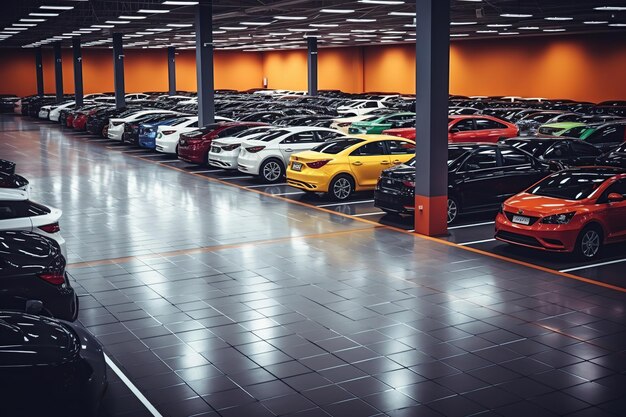
Where to Sell or Auction a Vehicle in Oklahoma City: IAA and Local Options
When you need to move a vehicle quickly—whether it's a trade-in, fleet surplus, salvage title, or end-of-life car—Oklahoma City's auction infrastructure offers multiple paths. This guide covers how IAA operates here, what to expect from the process, and how it compares to other disposal methods available to residents and dealers.
What IAA Does and Why It Matters in Oklahoma City
IAA (Insurance Auto Auctions) is the largest vehicle auction company in North America, handling everything from insurance total losses to repossessed vehicles to fleet liquidations. In Oklahoma City, IAA operates as a licensed remarketing platform where used vehicles change hands in high volume, typically twice weekly. The company holds a dealer license with the Oklahoma Tax Commission and manages title transfer documentation, which is a practical advantage over private sales where you handle the paperwork yourself.
For most sellers in Oklahoma City, IAA matters because it removes the uncertainty of private resale. You don't wait weeks for a buyer; you consign the vehicle, it sells within days, and you receive payment after the auction closes. For insurance companies, fleet operators, and dealers stuck with aged inventory, this speed is the entire value proposition.
How the Oklahoma City IAA Auction Process Works
The typical sequence runs like this: You contact the facility (located in the southwest part of the metro area), provide vehicle details, and schedule drop-off. IAA inspects and photographs the car, assigns it a lot number, and lists it in their online catalog and physical auction block. Bidders, who are primarily licensed dealers but also include some public buyers depending on the auction type, place bids over multiple rounds. The vehicle sells to the highest bidder, IAA collects a buyer's premium and seller's fee (usually 8 to 10 percent of the hammer price), and you receive a check minus those fees.
Processing time from consignment to payout typically runs 10 to 15 business days. You must provide a clear title or a power of attorney if the lender still holds it. If your vehicle has a salvage or rebuilt title in Oklahoma, it can still sell at IAA, though the final price will reflect that status.
One specific advantage in Oklahoma: the state's Title Bureau processes Oklahoma titles, and IAA has established workflows with the agency, so title transfers clear faster than they would through private-sale channels where individual sellers often get lost in the queue.
Auction Types: What You're Actually Selling Into
IAA runs different auction lanes depending on vehicle condition and ownership. Insurance auctions handle total-loss vehicles from collision, theft recovery, and comprehensive claims; these typically have moderate to severe damage. Dealer auctions accept trade-ins and fleet vehicles in good condition. Closed auctions restrict bidders to licensed dealers only, while open auctions allow any registered bidder, including the public.
If you're selling a trade-in or fleet vehicle in running condition, you'll compete in a dealer-focused auction where bid competition tends to be stronger because buyers are professional resellers who know the market. If your vehicle has damage or a salvage title, it goes to insurance lanes where buyers are accustomed to vehicles that need repair or parts harvesting.
The practical difference: a 2015 Toyota Camry with clean title at an open auction in Oklahoma City might fetch $8,000 to $11,000 depending on mileage and condition. The same vehicle at a dealer auction could reach $10,000 to $13,000 because the bidders are buying for retail resale margin, not personal use. Conversely, a salvage-title sedan might bring $2,000 to $4,000 at an insurance auction, nowhere near its former value but faster than finding a specialty buyer privately.
Local Alternatives to IAA
Private sale through classified platforms. You can list on Facebook Marketplace, Craigslist, or Autotrader without paying a middleman fee. Time investment is substantial: fielding calls, showing the car multiple times, handling paperwork at the Oklahoma Tax Commission's local office. Many private sellers report 3 to 8 weeks to close a sale. You pocket more money per vehicle if the buyer is retail, but you bear all title risk and have no recourse if the buyer later claims mechanical failure.
Trade with a local dealership. Oklahoma City's dealer network (concentrated along Auto Alley near I-35 and in midtown areas) will appraise your vehicle on the spot. The offer is typically 10 to 20 percent below market value because dealers need margin to recondition and resell. The trade credit applies instantly to your next purchase, which is valuable if you're buying immediately but worthless if you're only selling.
Copart, the other national auction house. Copart operates auctions nationwide and maintains a facility serving the Oklahoma region. Their business model is similar to IAA's, but they traditionally focus more on salvage and flood vehicles. For a clean-title vehicle, IAA tends to draw stronger dealer participation in Oklahoma City markets because IAA's dealer-auction lanes run more frequently and attract the state's active wholesale buyers.
Local wholesalers and buy-here-pay-here operators. Independent dealers in Oklahoma City sometimes buy vehicles outright for cash, bypassing auction entirely. The offer is usually 15 to 30 percent below private-sale value, but the transaction closes in hours. These operators are most useful if you have a vehicle with mechanical issues that would cost more to repair than it's worth.
Costs, Fees, and Net Proceeds
If you consign to IAA in Oklahoma City, expect these charges against your final payout:
- Seller's fee: 8 to 10 percent of the hammer price
- Title fee: $15 to $25 (varies by whether you handle or IAA handles documentation)
- Storage, if applicable: $5 to $10 per day after the first five days
On a vehicle that sells for $5,000, a 9 percent seller's fee means $450 out of pocket, leaving you $4,550 before title fees. That's less than a private sale after negotiating (where you might net $5,200) but far faster and guaranteed to close. The economics tip toward auction when you need cash immediately or when you expect low buyer interest (older model, high mileage, specialty vehicle).
Practical Next Steps
Contact the IAA Oklahoma City location directly to confirm current auction schedules and consignment requirements. Bring your title, a valid ID, and a spare key. If you're underwater on a loan, work with your lender first to obtain a power of attorney, as they may require that before IAA can handle consignment. Request a pre-auction estimate based on comparable recent sales so you understand whether the projected hammer price meets your minimum.
If you're a dealer or fleet operator with multiple vehicles, ask about volume consignment terms; IAA sometimes reduces fees for regular volume partners.
For vehicles in poor condition or with salvage titles, IAA's insurance auctions will clear them faster than a private buyer ever would. For well-maintained vehicles, weigh the 10 percent fee against the convenience of not managing the resale yourself. Most sellers find that trade-off reasonable when time matters more than maximizing the last few dollars.