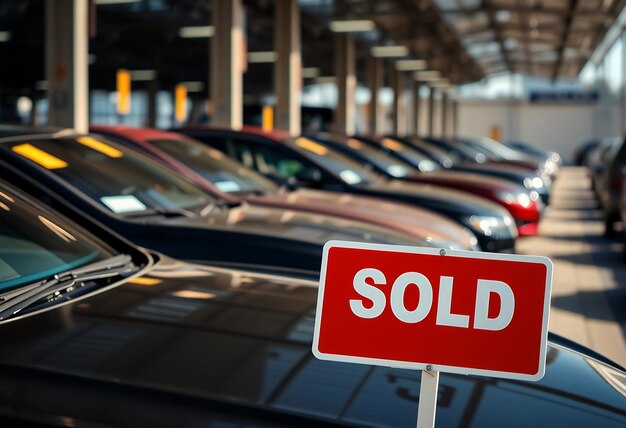
Where to Buy Used Cars at Hertz in Oklahoma City
Hertz car sales in Oklahoma City operates through a used vehicle dealership model distinct from its rental operation. This guide explains how the Hertz used car sales channel works in the market, what inventory patterns you'll encounter, pricing mechanics compared to independent dealers, and practical steps for purchasing.
The Hertz Used Car Sales Model in Oklahoma City
Hertz liquidates off-lease and rental fleet vehicles through dedicated sales locations. Unlike rental counters, these are separate dealerships stocked with ex-fleet inventory. The Oklahoma City Hertz used car sales location sits within the broader metropolitan used car ecosystem alongside franchised dealers, independent lots, and auction channels.
Fleet vehicles have measurable characteristics that shape their value and condition. Hertz rental cars typically accumulate 20,000 to 40,000 miles annually depending on class. They receive manufacturer-scheduled maintenance as a cost control measure, creating a paper trail that appeals to buyers concerned about deferred maintenance. However, they see varied driver behavior across hundreds of renters, meaning wear patterns may be uneven. Door panels, seat bolsters, and high-touch surfaces often show use faster than mechanicals.
Hertz titles these vehicles as used cars after rental life ends. The disclosure process is transparent: you'll see "former rental" on the window sticker and in the Carfax report. This classification typically depresses resale value 5 to 15 percent compared to comparable private-sale vehicles with similar mileage, though the margin varies by model and market conditions.
Inventory Composition and Market Positioning
The Oklahoma City Hertz used car operation reflects national fleet trends. Sedans have declined sharply since 2020; expect heavier representation of SUVs, crossovers, and trucks. Compact and midsize sedans still move through the pipeline because they were the backbone of rental fleets five to seven years ago, but you won't find the depth you would have in 2015.
Popular models at Hertz used car locations include the Toyota Camry, Honda Accord, Ford Focus, Chevrolet Malibu (sedans that still appear regularly), and newer inventory of Nissan Rogues, Toyota RAV4s, and Ford Escapes (the crossover shift). Luxury brands rotate through more thinly; a BMW 3-Series or Audi A4 might appear periodically but isn't guaranteed stock.
The Oklahoma City metro's logistics and oil-and-gas service sectors create demand for trucks and work-rated SUVs. Hertz's used inventory adjusts accordingly. You're more likely to find Ford F-150s and Chevrolet Silverados here than you would in a coastal city. This improves your odds if you're shopping that category, but narrows choices if you're hunting a specific niche model.
Pricing at Hertz used car locations tracks market rates closely. The dealership sets prices competitively against Carvana, Vroom, independent dealers on automobile row (the stretch along East Reno Avenue), and franchised used car departments. A 2022 Honda CR-V with 35,000 miles will cost roughly the same whether you buy it from Hertz, a Honda dealer's used lot, or a local independent. The former rental history is already baked into the asking price.
Buying Process and Practical Mechanics
Hertz used car sales operates through a conventional dealer structure. You can walk onto the lot, browse inventory, conduct a walk-around inspection, and request a test drive. Many customers use the dealership's online inventory tool first to confirm availability before visiting. Stock turns quickly on popular models; a vehicle listed Monday may sell by Friday, especially in the sub-$15,000 range where inventory moves fastest.
Financing options include dealer-arranged loans through Hertz's preferred lenders, your own bank or credit union, or cash purchase. Dealer financing carries the expected dealer markup on rates; your bank typically offers better terms if you have good credit and existing relationships. Shopping your own financing before visiting the lot gives you negotiating leverage.
Warranties vary. Hertz used cars typically carry a limited powertrain warranty (often 24 months or 24,000 miles), shorter than a franchised dealer's program but longer than "as-is" sales at independent lots. Extended warranty options are available for additional cost. The powertrain coverage appeals to risk-averse buyers; the limited scope means you're responsible for wear items, brakes, suspension, and electrical problems outside powertrain systems.
The trade-in process works like any dealership. If you're replacing an existing vehicle, Hertz will appraise and credit the value toward purchase. Their valuations track market guides (NADA, Black Book) and adjust for Oklahoma City conditions. No dealer inflates trade-in values as a back-end negotiating tactic more reliably than another; expect the offer to feel fair but not generous.
Comparison to Other Used Car Channels in Oklahoma City
Independent lots scattered through Oklahoma City's auto districts (concentrated around East Reno and near the I-40 corridor) offer wider variety and sometimes lower prices on specific models, because they buy from auctions and wholesalers without corporate overhead. The trade-off is inconsistent warranty coverage, no financing infrastructure, and higher risk of hidden maintenance issues. You're entirely dependent on a pre-purchase inspection by your own mechanic.
Franchised used car departments (Toyota, Honda, Chevrolet dealers in the metro area) guarantee dealer-serviced vehicles and longer warranties but charge top-tier pricing. A used Toyota from a Toyota dealership costs more than the same model from Hertz, reflecting the brand loyalty bet and service network assurance.
Online-only platforms like Carvana and Vroom offer convenience and predictable pricing but can't replicate the in-person inspection and immediate possession that a local dealership provides. Both operate in Oklahoma City via delivery or local pickup, so the comparison is real.
Hertz occupies a middle position: better warranty than independent lots, more transparent pricing and inventory than small operators, lower prices than franchised dealers, and more instant gratification than online platforms.
Local Logistics and Timing
Oklahoma City's used car market sees seasonal patterns. Winter months (December through February) see reduced shopping traffic, which can mean less competition for inventory and potentially more room to negotiate. Spring (March through May) and fall (September through October) bring peak shopping, tighter inventory, and stiffer pricing.
If you're buying for an upcoming move or job change, timing flexibility works in your favor. A Wednesday afternoon at a Hertz used car lot typically means shorter waits for sales staff and less pressure than Saturday.
Test drive routes matter in a city layout like Oklahoma City's. The Hertz dealership location determines your access to different road types. Confirm you can test-drive on highway, residential, and mixed-traffic routes to properly evaluate handling and acceleration patterns.
The Practical Bottom Line
Buying a used car at Hertz in Oklahoma City makes sense if you want documented maintenance history, transparent pricing that aligns with market rates, basic warranty coverage, and convenience of a single-lot visit. The rental history genuinely matters less than buyers imagine; the vehicle's specific maintenance record and mileage pattern matters more. Request the service records for the rental period, inspect the undercarriage and engine bay closely, and run an independent pre-purchase inspection if the mileage or price feels like an outlier. The time spent on verification prevents costlier surprises than the time saved by assuming dealer certification is complete.