Where to Rent Equipment in Oklahoma City: Heavy Machinery, Tools, and Trailers
When a construction project, landscaping job, or moving day requires equipment you don't own, Oklahoma City's rental market offers options across the metro area with meaningful differences in inventory, pricing, and convenience. This guide covers where to rent heavy machinery, power tools, and trailers, what to expect in costs, and how to evaluate options based on project type and timeline.
The Equipment Rental Landscape in Oklahoma City
Equipment rental in Oklahoma City splits into three operational zones: downtown and midtown locations for quick tool access, the industrial corridor along I-40 near the Port of Oklahoma City for heavy machinery, and suburban branches in Edmond, Norman, and Midwest City for customers working north or south of the metro center. Rental yards typically operate Monday through Friday, 7 a.m. to 5 p.m., with limited Saturday hours and no Sunday availability at most locations. This matters if your project schedule depends on weekend access; plan accordingly or confirm Saturday operations before committing to equipment pickup.
Daily rental rates in Oklahoma City run 10 to 15 percent lower than national chain averages, a direct result of local competition and lower overhead near the port area. A standard 20-foot enclosed trailer rents for $45 to $65 per day at competitive local operators, compared to $70 to $95 through national brands. This gap widens for heavy equipment: a standard excavator or wheel loader runs $150 to $200 daily locally versus $250 to $300 through larger chains. Longer rentals (weekly or monthly) compress these daily rates by 20 to 30 percent, making a two-week project substantially cheaper than fourteen one-day rentals.
Evaluating Rental Companies by Project Type
For residential moving and light construction, proximity and simplicity matter more than inventory depth. Locations in Midtown near the Automobile Alley district and around Penn Square offer quick in-and-out service for trailers, hand trucks, and basic power tools. These yards stock equipment optimized for homeowner projects rather than commercial contracts, which means less downtime waiting for equipment to be serviced between rentals. Expect straightforward pricing structures without hidden delivery fees; local operators typically include local delivery within Oklahoma City limits for orders above $100, whereas national chains assess $50 to $150 delivery charges separately. Check whether the rental includes free mileage on trailers or if you pay per mile; local operators often bundle unlimited mileage into daily rates, while national chains may cap it at 100 miles per day.
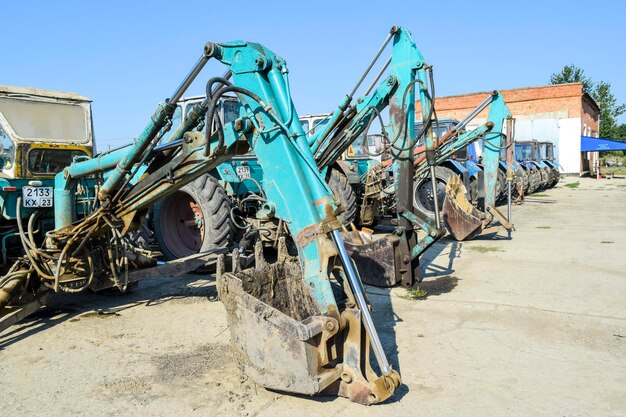
For commercial construction and excavation, the industrial corridor along I-40 east of downtown concentrates yards with dozers, graders, compactors, and aerial lifts. These operations cater to contractors with standing accounts and repetitive rental needs, which translates to better fleet maintenance and faster turnaround for equipment swaps. Equipment here is newer and more heavily maintained than at general-purpose rental centers, reducing mechanical failure risk on active job sites. Operators in this zone typically require proof of licensing and insurance for heavy machinery rentals and may mandate operator certification for certain equipment categories. Pricing includes delivery to the job site, fuel charges calculated by consumption, and damage waivers that run 12 to 18 percent of equipment rental cost. Some yards offer weekly payment schedules for multi-week projects, reducing upfront cash requirements.
For landscaping and grounds maintenance, rental yards in Norman and Midwest City serve suburban contractors. These locations stock compact skid steers, trenchers, aerators, and sod cutters in higher quantities than urban yards, enabling same-day availability even during spring and summer peaks. Landscaping equipment typically rents for $50 to $120 daily, with blade and attachment configurations available for specific jobs. Be aware that seasonal demand spikes March through May; booking two weeks in advance during spring guarantees availability, while walk-up rentals in April face 40 to 60 percent longer wait times if the preferred equipment is checked out.
Ownership Versus Rental Economics
For homeowners, renting almost always costs less than buying unless you use equipment multiple times yearly. A quality reciprocating saw costs $150 to $300; renting one costs $12 to $20 per day. You reach breakeven after 10 to 25 days of use spread across years, so single-project use makes rental obvious. Contractors operate differently: if you run jobs involving excavation weekly, purchasing a compact excavator ($40,000 to $60,000 used) becomes rational after 18 to 24 months of weekly rentals at $180 per day. Some Oklahoma City contractors split the difference by purchasing older equipment and renting newer models for specialized tasks, reducing capital tied up in aging inventory while maintaining access to current technology.
Rental agreements in Oklahoma City typically impose damage waivers (insurance against mechanical failure, not collision damage) and require deposits ranging from 10 to 25 percent of the rental cost. Damage beyond normal wear falls on you unless waived; read the damage clause carefully. Some yards assess $300 to $800 "excessive wear and tear" fees if you return equipment visibly dirtier than acceptable or with minor dents. Washing equipment before return saves money and goodwill.
Practical Steps Before Renting
Confirm your project timeline accounts for rental hours. If you pick up a trailer Friday at 4 p.m. and return it Monday at 9 a.m., you've rented it through the weekend even if you used it only 2 hours. Many Oklahoma City rental yards charge full daily rates for partial days; one operator charges 50 percent of daily rate for morning-only or afternoon-only rentals, a worthwhile detail that shifts the economics of small jobs. Ask about this specifically rather than assuming standard terms.
Get itemized insurance quotes if the rental company offers damage waiver upgrades. Standard waivers cover mechanical failure but not collision, theft, or operator error. Some contractors carry commercial general liability policies that cover rental equipment; verify coverage with your agent before declining optional insurance from the rental yard. Overlapping coverage costs money.
Inspect equipment before you leave the lot. Photograph existing damage on phone and request written notation on your contract. This protects you against being charged for damage you didn't cause. Rental yards in Oklahoma City are generally professional about this process, but documentation prevents disputes when you return equipment.
Equipment rental in Oklahoma City costs less than national benchmarks and operates with efficient local knowledge of the metro area's industrial and residential zones. The difference between renting locally and chasing national brands often justifies the ten-minute drive to a yard in your project's geographic area rather than the branch nearest your home.