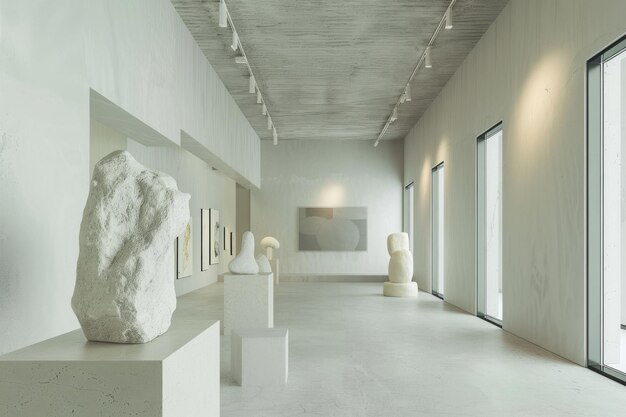
Where Contemporary Art and Hands-On Making Converge in Oklahoma City
The Laboratory is a working art space in Oklahoma City where artists create, exhibit, and teach in the same rooms. This guide explains what it offers, how it differs from traditional galleries, and whether a visit fits your arts engagement style.
Unlike passive gallery viewing, The Laboratory operates as a production facility. You're entering a place where the work happens simultaneously with its display. This model matters for how you experience art here: you might watch a printmaker pull a proof while standing three feet away, or see a sculptor's process unfold across multiple visits rather than encounter only finished pieces behind glass.
The space sits within Oklahoma City's consolidated arts corridor. The Paseo Arts District two miles south emphasizes retail galleries and studios converted from historic homes, operating with traditional gallery hours and curated shows that rotate quarterly. Downtown's Bricktown and the Plaza District each have distinct institutional anchors (the Oklahoma City Museum of Art and smaller nonprofit galleries, respectively), but neither functions as an active production space the way The Laboratory does. That production-plus-exhibition model is the distinguishing feature that shapes your visit.
What You'll Encounter
The Laboratory houses multiple artist studios under one roof. On any given day, depending on the current artist residents and their schedules, you might find painters, sculptors, ceramicists, printmakers, or installation artists at work. This is not a curated exhibition in the traditional sense; rather, it's a semi-public window into working studios. The visibility varies. Some visiting artists keep regular public hours; others work primarily during evening and weekend open studio events, typically held monthly.
The space also hosts smaller exhibitions and collaborative projects. These tend toward experimental work, artist residencies, and emerging practice rather than blue-chip or established names. If you're looking for household-name retrospectives or touring collections, the Oklahoma City Museum of Art (downtown, near the Myriad Gardens) is the appropriate destination. If you want to see what early-career and mid-career Oklahoma City and regional artists are investigating right now, The Laboratory's shows and open studios offer that access more directly.
Teaching and artist talks happen here as well. Workshops and demonstrations are typically announced through the space's own channels rather than mainstream ticketing platforms, so information is often easiest to find through direct contact or local arts calendars.
Practical Details for a Visit
The Laboratory is located in the Midtown/Plaza District area of Oklahoma City, making it accessible by car (free parking is available on-site or nearby). Public transit to the location is limited; OKC's EMBARK bus system does not run frequent service to this neighborhood, so driving is the practical choice unless you're combining a visit with other Plaza District activities (restaurants, small shops, and galleries are within walking distance).
Admission is free for open studio events and exhibitions. No ticket purchase or reservation is required for standard visiting hours, though confirming current hours before your visit is essential because artist work schedules fluctuate. Email contact or a phone call to the space directly is more reliable than web searches for real-time availability.
If you're interested in attending a workshop or artist talk, fees vary by program and typically range from $15 to $60 depending on length and instruction type. These are not standing offerings; they're scheduled around resident artists' availability and announced on a rolling basis.
How It Compares to Other Arts Experiences in Oklahoma City
Museum viewing: The Oklahoma City Museum of Art offers climate-controlled, professionally lit galleries with comprehensive signage and curatorial context. It charges $12 for general admission and appeals to visitors seeking completed works in finished exhibition design. The Laboratory offers raw process, lower overhead, and no gatekeeping barrier for entry.
Commercial galleries: The Paseo Arts District contains roughly two dozen retail galleries where dealers represent artists' work with the intention to sell. Prices range from $500 to $5,000+ for original work. The Laboratory mixes sales with non-commercial exhibition; not everything on view is for purchase, and the space's primary function is making, not selling.
Studio tours: Oklahoma City and the surrounding metro occasionally host artist studio tours (typically in spring and fall), where you visit multiple independent studios scattered across neighborhoods. The Laboratory condenses that experience into one location, reducing travel time but also limiting the range of practices you'll see on a single visit.
University art spaces: Oklahoma City University and the University of Oklahoma (in Norman, 20 miles south) both host student and faculty exhibitions. These are free and open to the public but center on academic work and curricula rather than independent professional practice.
What Makes This Worth Your Time
If you're an artist considering studio space or community in Oklahoma City, The Laboratory provides direct observation of how local artists live and work at various stages of their careers. Conversations with residents happen naturally during open studios.
If you're a regular gallery visitor, the informality and process-visibility here offers something traditional galleries deliberately minimize. You see mistakes, iterations, and in-progress thinking rather than only sanctioned finished work.
If you're new to contemporary art or uncertain whether museum visits appeal to you, The Laboratory's free entry and unpretentious atmosphere remove friction. You can spend fifteen minutes or two hours without financial or social obligation.
If you live or work nearby in Midtown or the Plaza District, the open studio events provide a walkable cultural anchor that many Oklahoma City neighborhoods lack.
This is not the space to experience art history survey or major solo exhibitions by established figures. It's the place to see what's actually being made right now by the people making it.