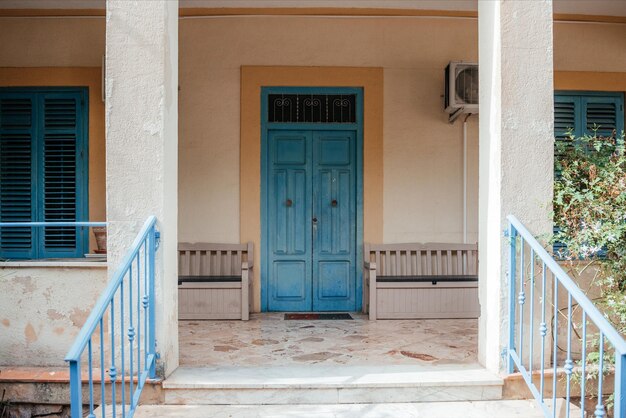
The Blue Door: Understanding Oklahoma City's Most Recognizable Artist Workspace
The Blue Door is a working artist collective and performance venue in the Paseo Arts District, operating as a hybrid studio and event space that has shaped how Oklahoma City presents contemporary art to the public. This guide explains what happens there, who uses it, how it differs from other creative spaces in the city, and whether it fits your arts engagement.
What The Blue Door Actually Is
The Blue Door functions simultaneously as artist studios, a performance and exhibition venue, and an informal cultural anchor. Unlike a traditional gallery with rotating curators or a music venue with booked lineups, it operates as a cooperative where visual artists maintain working studios while the ground floor and adjacent spaces host music, theater, theater, and experimental performance. The Paseo Arts District location—roughly anchored by NW 28th Street between Dewey and Robinson—positions it within walking distance of other independent galleries and restaurants, which shapes the foot traffic and audience composition.
The space is artist-operated, which creates specific operational consequences: hours fluctuate based on who's present and what's scheduled, programming reflects member interests rather than market research, and the aesthetic remains intentionally rough around the edges. This differs measurably from the Oklahoma City Museum of Art in downtown OKC, which maintains consistent hours, professional curation, and formal architecture. The Blue Door's strength is accessibility to experimental work; its trade-off is unpredictability.
Performance and Programming Patterns
The Blue Door hosts live music, spoken word, film screenings, and performance art on an irregular schedule. Performance types skew toward folk, indie rock, electronic, and experimental genres rather than country or mainstream pop. Artists often perform in the studio space itself, meaning the acoustics are untreated, the audience sits close, and the event feels more like a private gathering than a ticketed show. Admission is typically $5 to $10 when charged at all; some events operate on a donation basis.
The venue has historically hosted artists early in their regional or national trajectory, partly because the low overhead allows promoters and artists to take financial risks on experimental lineups. This makes it functionally different from larger music venues like the Criterion Theatre or venues in Bricktown, which book established acts with 500-plus capacity and ticket prices reflecting production costs.
Programming information appears on social media channels and word-of-mouth rather than a centralized ticketing platform, which means consistent checking is required if you want to know what's scheduled. This is a practical disadvantage if you prefer knowing a month in advance; it's an advantage if you value spontaneity and community-driven curation over algorithmic recommendation.
Visual Art and Studio Access
The upstairs studios house working artists whose practices include painting, printmaking, sculpture, and mixed media. These are functional workspaces, not display galleries, though artists sometimes exhibit finished work within their studios during open hours or special events. The Paseo Arts District hosts a First Friday art walk on the first Friday of each month, when many studios and galleries stay open late; the Blue Door typically participates, giving visitors an organized entry point.
This model differs from the gallery spaces along the Paseo—including smaller independent galleries—because the Blue Door prioritizes production space over sales or prestige. An artist's studio here is cheaper than renting traditional gallery square footage, and it includes performance and exhibition opportunities without requiring external programming staff.
How The Blue Door Fits Into Oklahoma City's Broader Arts Infrastructure
Oklahoma City has distinct arts zones: downtown contains the Oklahoma City Museum of Art, the Civic Center with the Philharmonic and ballet, and the Bricktown entertainment district. The Paseo Arts District in northwest OKC functions as a separate ecosystem of independent galleries, artist studios, vintage shops, and restaurants, catering to a younger demographic and experimental practice. The Blue Door is the most recognizable cooperative within this district, partly because it combines visual art, music, and performance under one roof.
Compared to the Oklahoma Contemporary, a larger nonprofit visual arts center also in OKC, the Blue Door operates at a smaller scale and with lower formal barriers to participation. Oklahoma Contemporary has professional staff, curated exhibitions, and a dedicated building; the Blue Door is artist-run and less polished. The choice between them depends on whether you seek professionally framed contemporary art (Contemporary) or direct interaction with working artists and experimental performance (Blue Door).
The Paseo location also means proximity to independent restaurants, vintage retailers, and smaller galleries, so visiting the Blue Door fits naturally into a multi-hour neighborhood outing rather than a single-destination trip downtown.
Practical Engagement
Visiting requires flexibility. Hours are not fixed across the week, and programming is announced through social channels rather than a published calendar. First Friday open hours are most reliable for studio access. Events require advance confirmation via the Blue Door's social media or direct contact before heading over, especially if you're traveling more than 15 minutes.
Admission to events, when charged, ranges from $5 to $10 and typically goes directly to artists. No reservation system exists; arrival on a first-come basis is the norm for smaller events.
For someone seeking structured arts programming with guaranteed hours and polished production, the Oklahoma City Museum of Art or Oklahoma Contemporary will be more efficient. For someone interested in Oklahoma City's active experimental music scene, emerging artists, or the day-to-day reality of how contemporary art gets made and presented outside institutional frameworks, the Blue Door's unpredictability is the point. Check their social channels before a trip, plan for an afternoon in the Paseo, and accept that some visits will yield unexpected performance while others offer quiet studio access to artists at work.