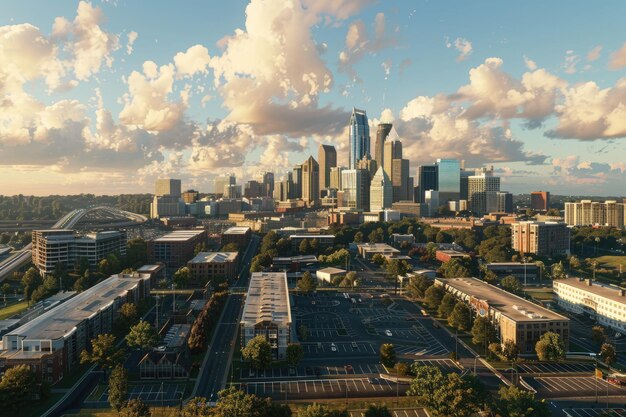
Where To Spend an Evening in Oklahoma City's Arts District and Beyond
Oklahoma City's arts scene concentrates in the Bricktown and Plaza districts, but the city's entertainment options span different aesthetics and price points. This guide covers the main venues where you can see theater, visual art, live music, and dance, with specifics on what each offers and how they differ in programming and accessibility.
Theater and Performance
The Civic Center houses three theaters under one management structure: the Skirvin Theatre (1,432 seats), the Kershaw Theatre (674 seats), and the Atwood Theatre (424 seats). The Civic Center is the largest presenter in the region and hosts Broadway tours, classical ballet, opera, and musicals. A single ticket to a Broadway touring production typically runs $40 to $80 depending on seat location and the show, while ballet and opera performances occupy a similar price range. The venue operates year-round with a published season calendar, so you can plan weeks or months ahead.
Smaller regional theaters operate independently. Oklahoma Shakespeare in the Park performs April through October in Edgemere Park in Nichols Hills; productions are free and outdoor, which means weather affects performance quality and requires you to bring your own seating or blanket. The same organization runs indoor productions at the Civic Center in winter.
The Pollard Theatre in nearby Guthrie (a 20-minute drive north) produces original work and revivals in an intimate 80-seat space. Ticket prices run $15 to $25. The difference is immediate: you're in a room with 80 people rather than 1,400, and the sightlines mean no bad seat exists. Guthrie is worth the drive if you prefer theater that takes risks or emphasizes actor-audience proximity over spectacle.
Visual Art
The Oklahoma City Museum of Art in downtown (11th Street between Reno and Lee) charges $12 for general admission and is free for members and children under 6. The permanent collection emphasizes American regionalism and contemporary work. Hours are 10 a.m. to 5 p.m. Tuesday through Sunday. The museum has hosted traveling exhibitions alongside locally sourced shows, so what's on display changes quarterly. You can typically spend 90 minutes here and see the main galleries without rushing.
The Overholser Mansion in Heritage Hills operates as a house museum and art collection, open Wednesday through Sunday from noon to 4 p.m. Admission is $7. The house itself is the artifact: a 1903 mansion with original furnishings and period details. This is a different experience from the art museum—you're moving through domestic space rather than gallery white boxes. It suits people interested in architectural history and decorative arts more than contemporary work.
White walls and independent galleries dot the Plaza District around NW 23rd Street. These are not unified or staffed like a museum; you walk in during posted hours (often Thursday through Sunday afternoons) and see whatever the gallery owner chose to install that month. No admission fee. You'll find local painters, sculptors, and photographers, with work priced to sell rather than positioned as investment art. The payoff is discovery and direct artist contact; the drawback is unpredictability.
Live Music and Clubs
Live music happens nightly in Bricktown (along the canal and in the surrounding blocks). Venues range from 100-capacity bars to theaters seating 500. The difference between them is not just size but booking: larger venues book touring acts with ticket prices $15 to $40, while smaller bars host local and regional bands with cover charges of $0 to $10. The Bricktown Brewery offers live music from a stage overlooking the canal and serves food, so you can treat an evening as dinner-plus-show rather than show-then-food logistics.
The Criterion Theatre in Bricktown is a restored 1920s movie palace that now hosts concerts, film screenings, and comedy. It seats 1,050 and books national touring acts. A ticket typically runs $25 to $60. The room has acoustic properties and sightlines designed for performance, unlike dive bars with live bands.
For jazz and blues, the Jazz Depot is smaller (capacity around 200) and operates as both venue and restaurant. Programming is local and regional artists rather than national touring names. Prices are lower, around $5 to $15 for a cover charge, and you can order food or drinks.
Country and Americana acts book at larger venues across the metro, including some suburban theaters. If you're interested in that genre, you'll be driving outside central Oklahoma City proper.
Dance and Performance Art
The Civic Center occasionally hosts dance companies for single or multi-night runs. The Oklahoma City Ballet Company performs classical and contemporary work at the Skirvin Theatre in the Civic Center with ticket prices around $35 to $65. Performances happen seasonally (typically fall and spring), not year-round.
Smaller contemporary dance happens at the Paramount Theatre (the building shares a block with the Plaza District) and in converted warehouse spaces in Bricktown. These performances are less promoted, harder to find, and less expensive ($10 to $20 for a ticket). If you want to see what's scheduled, the Oklahoma Contemporary Arts Center maintains an events calendar on its website, though it does not itself operate a theater.
Practical Takeaway
The Civic Center and touring Broadway circuit are predictable and polished but expensive. The independent galleries, smaller theaters, and live music venues in Bricktown and Plaza cost less and feel closer to makers, but require more active searching for what's happening week to week. A practical approach: check the Civic Center's season online three months ahead if you want a major production, and check Bricktown and Plaza events weekly if you prefer cheaper, more spontaneous evenings. The two strategies do not overlap much, so you're choosing between reliable major-venue programming or responsive, cheaper, neighborhood-based options.