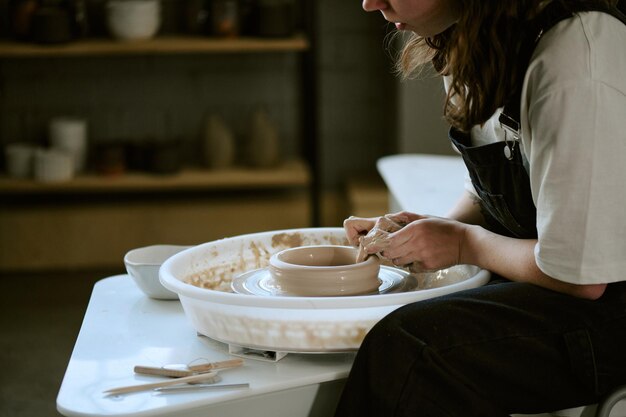
Where to Study and Buy Pottery in Oklahoma City
Pottery in Oklahoma City exists across three distinct channels: established instructional studios where you can learn techniques, retail galleries selling finished work, and the annual Paseo Arts Festival where local potters exhibit and sell directly. This guide covers what each offers, where they're located, and what to expect in terms of cost and commitment.
Learning Pottery in the Paseo District
The Paseo Arts District, anchored by NW 30th Street between Dewey Avenue and Western Avenue, functions as Oklahoma City's primary arts corridor. Several studios in and near this district offer pottery instruction at different skill levels.
Classes typically run in six to eight-week sessions, with drop-in options less common than semester-based enrollment. Expect to pay between $120 and $250 per session for group instruction, depending on whether the studio is nonprofit or privately operated. Materials fees (clay, glazes, firing) usually run an additional $30 to $50 per session. Most studios require students to commit to a full session rather than attend single classes, though some offer weekend workshops for $40 to $80 per class.
The Paseo District's advantage is proximity and community. Studios here tend to maintain open-house hours where you can observe classes before enrolling. Clay dust and kiln smell are reliable indicators you've found an active ceramics space. The district also hosts First Friday art walks on the first Friday of each month, where some studios extend hours and offer informal demonstrations.
Retail Galleries for Finished Pottery
If you're buying rather than making, the Paseo contains multiple galleries specializing in ceramics and functional pottery. Work here ranges from mugs and bowls priced at $25 to $75 to sculptural pieces selling for several hundred dollars. Local potters' names appear consistently across multiple galleries, indicating established artists working within the Oklahoma City market.
Gallery hours cluster around Thursday through Sunday, 10 a.m. to 5 p.m., with extended hours during First Friday. Weekday shopping requires calling ahead. Most galleries accept credit cards and can hold pieces for 48 hours without deposit, though custom orders or commissioned work requires a deposit ranging from 25 to 50 percent of the agreed price.
The Paseo galleries distinguish themselves from online marketplaces by allowing you to examine glaze quality, wall thickness, and firing consistency in person. A bowl that reads smoothly textured online may have micro-cracks visible under gallery lighting. Staff at established galleries can also explain firing techniques and clay bodies, context that shapes whether a piece is priced at $30 or $150.
The Paseo Arts Festival
This annual event, held in May over a weekend, is the single largest venue for Oklahoma City potters to sell work and represents the year's most concentrated buying opportunity. Vendors include potters who maintain studio practice year-round and those who throw primarily for festival sales. Price points remain similar to gallery retail, but the volume of work available and direct artist contact (potters staff their own booths) changes the buying dynamic.
The festival also features live demonstrations. Potters demonstrate wheel-throwing, hand-building, and glazing techniques on grounds that draw 50,000 to 75,000 visitors across two days. For someone curious about pottery but unsure whether to commit to classes, the festival offers free observation and conversation without registration.
Weather affects festival setup and comfort. May weather in Oklahoma City can mean rain that affects outdoor booth quality and dusty heat that makes clay-work demonstrations less appealing to watch. Check the forecast beforehand; the festival runs rain or shine.
Beyond the Paseo: Other Options
Oklahoma City Community College and the University of Oklahoma both offer pottery courses. OCCC's Ceramics program operates from its campus on SW 104th Street and serves non-degree students. Courses run $150 to $300 per semester depending on materials and enrollment status (resident versus non-resident tuition applies). University courses carry higher costs and assume prerequisite experience, making them less accessible for beginners.
The advantage of institutional programs is equipment access. Community colleges maintain multiple wheels, kilns, and clay preparation equipment that private studios may not duplicate. The disadvantage is scheduling around institutional calendars and class sizes that can reach 20 students per section, reducing hands-on feedback.
What to Know Before Starting
Pottery requires clay-stained clothes and tolerance for dust. Studios should provide aprons and towel access, but your own dedicated clothes simplify cleanup. Kiln firing happens on studio schedules you cannot control; expect two to three week turnarounds between completion and finished glaze firing. This means your finished pieces don't leave with you the day you finish throwing them.
Storage matters if you live in an apartment. Pottery is heavy and fragile. A single small bowl weighs about a pound, and a plate-set of four pieces occupies shelf space equivalent to a stack of hardcover books. Most studios offer limited storage for student work, but clarify terms before enrolling.
Cost accumulates beyond tuition. A private studio session at $150 plus $40 materials, repeated eight times, reaches $1,520 for an eight-week session. Retail galleries selling that same student's work may mark pieces at 100 to 150 percent of material cost, meaning your own investment may not recoup through sales.
Practical Next Step
Visit the Paseo district on a First Friday evening to observe studio activity without commitment. Most studios welcome observers during classes. Speak directly with instructors about beginner expectations and ask what percentage of a session focuses on throwing versus hand-building. Some potters prefer coil-building; others work exclusively on wheels. Your learning path depends on which technique aligns with what you want to make.