What to See and Do in Oklahoma City's Paseo Arts District
The Paseo Arts District occupies a compact corridor along Paseo Drive between NW 30th and NW 36th Streets, roughly two blocks long. This guide covers what draws visual artists, performing arts audiences, and casual visitors to the neighborhood, what the realistic trade-offs are between venues, and how to spend time here meaningfully rather than as a quick checkbox stop.
Geography and What's Actually There
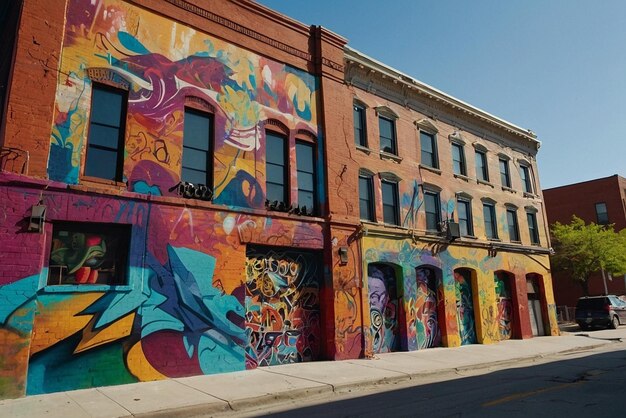
The Paseo is smaller and more specialized than Oklahoma City's broader downtown arts infrastructure. You will not find a major museum or concert hall here. What you will find is a concentration of artist studios (roughly 30 working artists operate from converted warehouses and small commercial spaces), a few independent galleries, and performance venues focused on theater and music that operate at a modest, intimate scale.
The walkable area extends about six blocks round-trip, making it realistic to visit multiple spaces in a single afternoon. Parking is street-level and generally available, unlike downtown proper. The district borders Automobile Alley to the south; the two neighborhoods are sometimes conflated but operate independently.
Working Studios and Gallery Access
Several artist studios operate open-studio models on designated weekend afternoons, typically the first Friday of each month during Paseo First Friday events. Admission is free. This means you can see painters, sculptors, and mixed-media artists at work without gallery markup or curatorial framing. The catch: hours are informal and attendance is inconsistent. A studio listed as "open" may close early if the artist steps out or finishes a session. Calling ahead or checking the Paseo Arts Association's website before visiting improves your odds.
The galleries that maintain consistent hours (generally Tuesday through Saturday, 10 a.m. to 5 p.m.) show work by established regional artists and occasionally host visiting exhibitions. These spaces are smaller than downtown galleries and tend toward contemporary work in painting, printmaking, and photography. Admission to galleries is free. Inventory rotates quarterly, not monthly, so repeat visits over seasons are more useful than frequent weekly checks.
A practical distinction: if you want a curated, completed viewing experience with staff explanation, visit on a weekday when gallery directors are present. If you want to encounter working artists and the possibility of commissioned work or direct sales, aim for First Friday and accept that access is less predictable.
Performance Venues
Two theaters anchor the Paseo's performing arts life: Carpenter Square Theatre and a smaller independent venue that hosts experimental theater and live music. Carpenter Square is a nonprofit theater that produces its own plays and rents space to visiting companies. Ticket prices typically range from $15 to $25 for community productions and $20 to $35 for professional touring shows. The theater seats roughly 150 people, making it genuinely intimate; sightline quality is high throughout.
The independent venue operates on a hybrid model: some shows are ticketed, others are suggested-donation events aimed at artists and emerging work. Ticketed shows usually cost $10 to $15. The space is not climatized uniformly and has limited concessions, so comfort depends on season and show length.
Live music at the Paseo tends toward acoustic and small-ensemble formats (jazz trios, folk singers, experimental electronic sets). Venues are bars or galleries with stage corners, not concert halls. Cover charges or drink minimums ($5 to $12) often apply instead of ticket purchase. Shows typically run 9 p.m. to midnight on Friday and Saturday nights.
Practical Itinerary Structure
A realistic three-hour visit on a Saturday afternoon might proceed this way: park on the street near the north end of Paseo Drive, visit two or three open galleries (45 minutes), walk the full district length noting studio windows and signage (30 minutes), enter one working studio if open (30 minutes), grab lunch or coffee at a nearby cafe outside the district proper (45 minutes), return to a gallery for a second look or visit a performance venue if evening shows are scheduled (60 minutes).
This sequence avoids the false efficiency of trying to hit every location; several studios will be closed, and rushing defeats the point of seeing work at human scale. The Paseo is not a destination where you consult a checklist and leave satisfied. It rewards slow walking and conversational interaction with gallery staff or artists present.
Context Within Oklahoma City
The Paseo draws a different audience from the Oklahoma City Museum of Art (which emphasizes collected, historically significant work in a formal setting) and from live music venues in Bricktown (which host touring acts and DJ nights at larger capacities). It also differs from the informal gallery and studio scene in Midtown, which sprawls across several neighborhoods without geographic clustering.
The Paseo's advantage is concentration and walkability. Its limitation is that programming and artist presence depend on individual schedules rather than institutional funding. A city arts calendar or the Paseo Arts Association's social media pages will show whether a given weekend is active or sparse.
Seasonal and Event Considerations
The Paseo First Friday typically draws 500 to 1,500 visitors, creating foot traffic that energizes the studios but also congestion in smaller gallery spaces. If you prefer unrushed interaction, visit on a non-First-Friday Saturday. Summer heat can make outdoor walking uncomfortable; spring and fall are more pleasant for the full district walk.
The district hosts art walks and community events sporadically; confirm dates before planning a special visit.
When and How to Allocate Time
If you are interested in contemporary visual art and have two hours, the Paseo merits a visit. If you are primarily interested in theater or music, check the performance calendar first; the district offers these arts but not at the volume or frequency of larger venues. If you want art as a passive experience (walk, look, leave), the Paseo requires more engagement than that model provides. If you are open to talking with artists and viewing work in studios, the Paseo's informality becomes an asset rather than a limitation.