What to Expect at the Oklahoma Railway Museum in Northeast Oklahoma City
The Oklahoma Railway Museum sits on the grounds of Depot Square in the Eastside neighborhood, occupying a restored 1907 Santa Fe Railway depot and surrounding rail yard. This article explains what the museum offers, how its collection compares to similar regional institutions, practical details for a visit, and why its approach to transportation history differs from other Oklahoma City attractions.
The Collection and Building
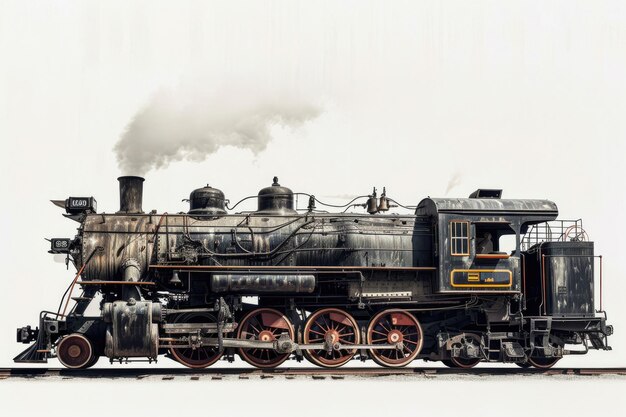
The museum's centerpiece is the depot itself, a two-story brick structure that originally served the Atchison, Topeka and Santa Fe Railway. The building contains rolling stock displayed both indoors and throughout a yard spanning several acres. The collection includes a 1947 Pullman sleeper car, a mail and express car from the 1920s, and a working steam locomotive (the 1919 Baldwin engine No. 900) that operates during limited seasonal excursion runs.
The interior of the depot is arranged as a functional station museum, with period furnishings, ticket windows, and informational displays explaining Oklahoma's role in American rail expansion. Unlike the Science Museum Oklahoma downtown, which takes a hands-on, interactive approach to technology across multiple disciplines, the Railway Museum maintains a traditional curatorial model focused on original artifacts in period settings.
Admission is $8 for adults, $5 for seniors and children aged 3 to 12, and free for children under 3. The museum operates Wednesday through Saturday, 10 a.m. to 4 p.m., with extended summer hours on Saturdays (10 a.m. to 5 p.m.). The facility does not charge admission for the outdoor yard portion, though access to the interior depot and cars requires a ticket.
Seasonal Excursions and Operating Schedule
The locomotive operates on select dates, typically announced three to four months in advance through the museum's website. These excursion rides travel a short route on track owned by the museum, with fares separate from general admission (usually $15 to $25 per passenger). Excursions are not offered year-round; most occur between April and October, with occasional holiday-themed trips in December. This is a meaningful constraint if you visit in winter months planning to experience the train in motion.
The outdoor yard remains accessible during all operating hours and requires only general admission to explore. The collection includes freight cars, passenger cars in various states of restoration, and smaller rail equipment. The yard is unshaded and exposure to direct sun is significant on summer afternoons, so timing matters for comfort.
How This Museum Differs Regionally
The Oklahoma Railway Museum is the largest railroad museum in the state and one of the few in the region where you can both observe original rolling stock and potentially ride an operating steam locomotive. The Frisco Depot in nearby Pauls Valley (about 45 miles south) maintains a smaller collection in a restored 1907 station, with no operating trains. The Amtrak maintenance facility in north Oklahoma City occasionally offers tours by appointment but functions primarily as an active transportation hub, not a museum. The Railway Museum's strength lies in combining architectural preservation, a substantial physical collection, and seasonal operating experiences.
The interpretive focus differs from the Automotive Alley district in nearby El Reno (about 30 miles west), which emphasizes the history of automobile manufacturing. The Railway Museum instead explores freight networks, passenger service, and the labor history of rail workers, with particular emphasis on the Indian Territory's transformation after statehood.
Access, Parking, and Practical Details
The museum is located at 405 S. E.K. Gaylord Boulevard in the Eastside, accessible via I-44 eastbound from downtown (about 3 miles). Parking is free and available in a lot adjacent to the depot. The building itself has limited accessibility; the depot has a single step at the main entrance, and the second floor is reached by stairs without elevator access. The outdoor yard is navigable on level ground but unpaved in sections, which can be difficult for wheeled mobility devices. Contact the museum in advance if accessibility is a concern; staff can sometimes arrange alternative viewing arrangements.
The museum is not proximate to other major Oklahoma City attractions. The Chickasaw Bricktown district is approximately 4 miles west by car; the Downtown Arts District is 5 miles west. The Eastside itself has limited nearby dining and retail; plan to eat before or after your visit.
Educational Programming and Group Visits
The museum offers group tours for parties of 10 or more, with prices reduced to $6 per adult and $3 per child when booked in advance. School groups comprise a significant portion of spring and fall visitors. The museum does not operate a gift shop; a small collection of books and railroad-themed items is available at the front desk, but selection is limited.
Special events including night rides and themed excursions are scheduled sporadically. These typically sell out weeks in advance and are announced via the museum's website and social media channels rather than through broader Oklahoma City tourism listings.
When to Visit
The museum is most comfortable from September through May, when temperatures are moderate and the yard requires less time under direct sun. Summer visits are feasible but should begin early; the site closes at 4 p.m. on weekdays and 5 p.m. on Saturdays even in peak season, limiting late-afternoon exploration.
If your interest is specifically in seeing the locomotive operate, check the excursion schedule before planning your trip. A visit during non-operating months yields a different experience: you observe mechanical systems and car interiors, but not the steam engine in motion, which is the museum's signature draw.
The Oklahoma Railway Museum rewards visitors interested in transportation infrastructure and labor history with direct access to original equipment and period environments. It is not designed as a major theme-park attraction and does not offer the interactive or digital features of larger urban museums. Plan for one to two hours, bring water, and arrive knowing that the experience centers on authentic artifacts, not amplified entertainment.