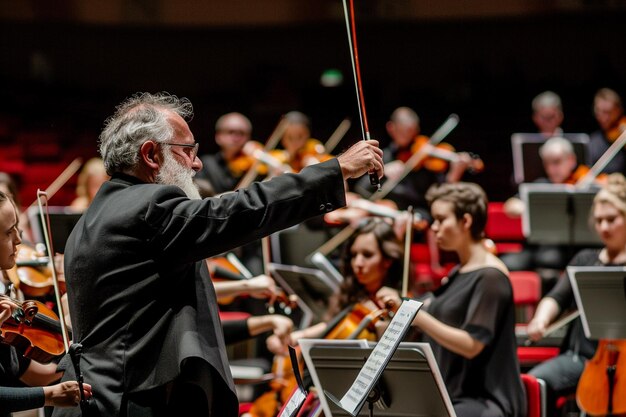
The Oklahoma City Philharmonic: Orchestra Programming and Seasons Explained
The Oklahoma City Philharmonic operates as the region's primary classical music institution, and understanding how its season is structured, where it performs, and what differentiates its programming from regional alternatives will help you decide whether subscription attendance fits your arts calendar and budget.
Where the Orchestra Performs and What That Means for the Experience
The Philharmonic performs at the Civic Center Music Hall, a 2,000-seat venue in downtown Oklahoma City's Arts District. The hall's acoustic design and proximity to parking (Civic Center garage, directly attached) shape the listening experience differently than smaller chamber venues or university halls. A seat in the orchestra section at Music Hall costs between $35 and $95 depending on the concert series, while balcony seats range from $25 to $70. Matinee performances on Sunday afternoons typically price 15 percent lower than evening performances for identical programming.
The size of the venue matters for repertoire selection. The Philharmonic regularly programs large-scale works that require a full orchestra and chorus, making the 2,000-seat capacity appropriate for Mahler symphonies, Messiah performances, and contemporary works with ensemble requirements. This differs from the University of Oklahoma's Weitzenhoffer School of Music, which hosts the OU Symphony Orchestra in Catlett Music Center, a smaller 700-seat auditorium better suited to chamber-scale classical pieces and student-orchestra experiments.
Season Structure and Programming Approach
The Philharmonic operates on a season running September through May, divided into thematic concert series. The Masterworks series typically offers five concerts, each repeated once (ten total performances across the season). A single Masterworks concert might feature a Beethoven symphony, a concerto showcasing a guest soloist, and a contemporary premiere. The Pops series, scheduled separately, emphasizes lighter orchestral fare, film scores, and crossover appeal, with ticket prices $5 to $10 lower than Masterworks concerts.
This two-series model creates a meaningful split in the season's artistic direction. If you're evaluating whether to commit to a subscription or buy individual tickets, the distinction matters: Masterworks subscriptions run $175 to $285 for the five-concert package depending on seat location, while single Masterworks tickets average $55. A Pops series subscription costs $120 to $195 for five concerts. Attending three or more concerts makes a subscription financially sensible; attending fewer than two makes individual purchase the rational choice.
Programming choices reveal the orchestra's position within the regional landscape. The Philharmonic allocates roughly 20 percent of its Masterworks season to American composers, including both established figures (Copland, Gershwin) and contemporary Oklahoma-affiliated composers. This commitment to regional work distinguishes it from larger regional orchestras in Dallas or Kansas City, which program American music more selectively. If contemporary classical composition interests you, the Philharmonic's willingness to premiere local works makes it a different proposition than a standard symphonic diet.
Guest Soloists and Recurring Elements
The Philharmonic invites visiting soloists for concerto performances, typically one per Masterworks concert. These soloists rarely achieve national headline status; the orchestra books early-career competition winners and mid-career specialists rather than celebrities. This affects both the cost model and the artistic experience. Ticket prices remain moderate because the ensemble doesn't pay premium fees for marquee names, and the programming stays focused on musical content rather than star power.
The orchestra's educational programming, under the heading of Family Concerts and Young Person's Concerts, occurs outside the main season (typically November, February, and April). These 60-minute concerts run $12 to $18 per ticket and serve audiences five to seventeen years old. Structurally and philosophically, these differ from the Masterworks series: they feature narration, shorter works, and interactive elements, making them functional for families rather than aesthetic statements. If you're using the orchestra as part of family arts engagement, budget separately for these rather than treating them as extensions of your subscription.
Practical Logistics for Attendance
The Civic Center Music Hall box office operates Tuesday through Friday, 10 a.m. to 5:30 p.m., and accepts phone orders. Online ticketing carries a $2.50 per-ticket convenience fee, making phone or in-person purchase the economical choice for single tickets. Parking in the attached Civic Center garage costs $5 per event during evening performances and is free before 5 p.m. on weekdays, a detail that affects the true cost calculation for matinee attendance.
Season brochures arrive in June each year and list all programming through May. Early subscription purchase (June through August) occasionally includes a 10 percent discount. Individual tickets for the following season open for general sale in August, though subscribers gain presale access in July. If you're undecided about subscribing, attending one concert in the fall (September or October) and deciding based on that experience allows you to subscribe mid-season without missing core programming.
The Philharmonic also hosts community performances outside the main season. These include holiday pops concerts (November and December), a free outdoor summer concert in Nichols Hills (June), and occasional partnerships with religious institutions for performance of sacred works during Lent or Advent. These events are genuinely free or under $10 and function as musical availability rather than season-equivalent experiences.
Choosing Between Subscription, Single Tickets, and Alternatives
A Masterworks subscription commits you to five concerts over nine months, with programming announced at the start of the season. You gain price savings (roughly 25 percent off single-ticket purchase) and guaranteed seating in the same section, but you lose the flexibility to skip concerts with programming that doesn't appeal to you.
Single-ticket purchase allows attendance based on programming but costs more per concert and requires you to monitor release dates and seat availability. Pairing this approach with Family Concerts (which you can attend without season commitment) lets you sample the orchestra's range without cost accumulation.
The OU Symphony Orchestra at Weitzenhoffer School, as an alternative, offers free or low-cost admission ($5 to $8 typical) to concerts featuring student musicians alongside faculty conductors and soloists. The acoustic experience differs substantially from the Philharmonic; Catlett Music Center's smaller size produces a more intimate sound, and the programming emphasizes pedagogical variety over thematic cohesion. These concerts appeal more to classical music enthusiasts interested in breadth of exposure than to audiences seeking polished, thematic concert experiences.
What Makes the Philharmonic Worth Your Calendar Space
Deciding whether to attend the Oklahoma City Philharmonic hinges on two practical questions: Do you have $25 to $95 per concert available after other arts expenses, and are you drawn to orchestral repertoire specifically, or would chamber music, opera, or jazz meet the same need at lower cost or greater frequency? The Philharmonic fills the orchestral slot in the city's arts calendar consistently and affordably. It does not position itself as a destination orchestra requiring travel; it positions itself as the local orchestra available nine months yearly with modest ticket costs and downtown accessibility.