Oktoberfest in Oklahoma City: Where Bavarian Tradition Meets a Growing Beer Scene
Oklahoma City's relationship with Oktoberfest reflects a broader shift in the city's beer culture over the past decade. What began as small, scattered autumn celebrations has evolved into multiple events competing for attention, each with different atmospheres, price points, and attendance levels. This guide covers the main Oktoberfest offerings in and around OKC, the practical differences between them, and what to expect from the city's approach to this enduring festival tradition.
The Landscape: Multiple Events, Different Scales
Oklahoma City does not host a single dominant Oktoberfest. Instead, several venues and organizations run autumn beer festivals under the Oktoberfest banner, primarily between September and October. The largest and most established is typically held in Bricktown, the downtown entertainment district along the Chesapeake and Oklahoma rivers. A second significant event anchors the Stockyard City area, south of downtown near the National Western Stock Show grounds. Midtown, the arts district northwest of the central business district, hosts smaller brewery-focused celebrations. Each draws different crowds and offers different value depending on what you prioritize: scale, craft beer selection, traditional Bavarian atmosphere, or local brewery representation.
The Bricktown event generally attracts 10,000 to 15,000 attendees over a weekend and features a mix of local and regional breweries, live music stages, food vendors, and carnival rides. Admission is typically $10 to $15 per person, with beer purchased separately at individual brewery booths (prices range from $5 to $8 per pour, depending on style and size). The Stockyard City version tends toward a more rodeo-inflected aesthetic, emphasizing country music and Western wear alongside beer, and draws a somewhat smaller but intensely local crowd. Midtown events operate on a smaller scale, often with 3,000 to 5,000 attendees, lower entry fees (sometimes free), and a higher concentration of Oklahoma City's independent craft breweries.
Understanding the Beer Selection Strategy
Oklahoma's beer laws constrain what breweries can serve at public events. The state permits breweries to sell beer directly to consumers at festivals only if they hold a specific license for on-premise consumption. This means that some well-known Oklahoma craft breweries appear at Oktoberfest events, while others do not. The major breweries with festival presence typically include those in the Bricktown and Midtown brewery clusters, which operate taprooms or have direct-to-consumer licenses. When comparing events, ask which breweries are confirmed participants; a festival featuring eight local breweries offers a different experience than one featuring four local and twelve regional or national brands.
The Bricktown event historically leans toward national and regional imports and craft breweries from Texas, Colorado, and other states, which appeal to a broader audience unfamiliar with local producers. Midtown events reverse this priority. If your goal is to survey Oklahoma City's own beer producers, the Midtown celebrations and smaller brewery-hosted events deliver more efficiently than larger festivals diluted with outside brands.
Dates, Hours, and Logistics
Oktoberfest events in Oklahoma City occur almost exclusively on weekends in September and October. The Bricktown event typically runs a full weekend (Friday evening through Sunday) and operates from early afternoon (around 11 AM) through evening (around 10 PM). This extended window allows for a wide range of attendance patterns: families and older attendees often arrive mid-afternoon, while younger crowds dominate evening hours. Expect significantly higher density after 6 PM.
The Stockyard City event usually runs Saturday and Sunday, with earlier closing times (around 8 PM). Parking is abundant at Bricktown (multiple lots and garages within five blocks), though rates increase on festival weekends to $10 to $15. The Stockyard area offers free parking but requires a longer walk from peripheral lots. Midtown events typically use street parking or small adjacent lots, which fills quickly after 5 PM on weekend days.
Practical Considerations for Attendance
Transportation is the single largest logistical variable. Bricktown's location on the edge of downtown makes it accessible via COTPA (Central Oklahoma Transportation and Parking Authority) buses, though service is limited on weekend evenings. Most attendees drive or use rideshare. Stockyard City has minimal public transit. If you plan to drink multiple beers, ride-sharing from any location costs $12 to $20 depending on destination and time of day. Designated driver services occasionally operate during Oktoberfest weekends; confirm availability when event details are announced.
Food options differ substantially between venues. Bricktown events feature 15 to 25 food vendors serving German-themed items (bratwurst, pretzels, schnitzel) alongside standard festival fare. Stockyard City emphasizes barbecue and Western food, reflecting local culinary identity. Midtown events often partner with nearby restaurants, which offer limited outdoor seating but higher quality preparation. If food is part of your draw, Bricktown offers the most Oktoberfest-specific menu, though prices are festival-standard ($12 to $16 per entrée).
Weather in Oklahoma during September and early October ranges from warm (80s) to mild (60s), with afternoon thunderstorms possible. Events sometimes shift to indoor venues (brewery taprooms, rented halls) if severe weather threatens, though this reduces capacity and changes the festival atmosphere significantly. Check forecasts within 48 hours of the event and confirm whether outdoor stages and beer gardens will proceed as planned.
The Bavarian Authenticity Question
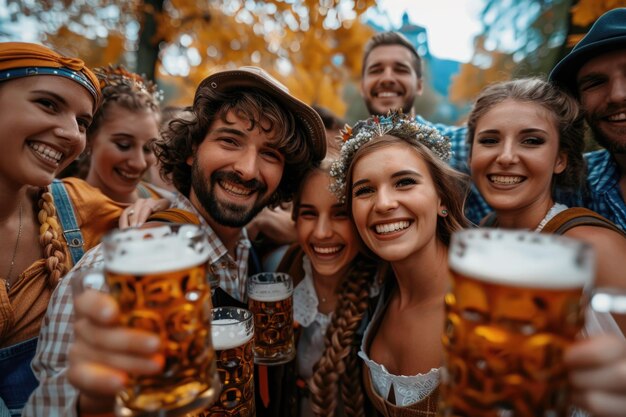
Oklahoma City's Oktoberfest celebrations are American festival interpretations rather than historically accurate replicas of the Munich original. Attendees in traditional German clothing (dirndls, lederhosen) appear in small numbers, particularly at Bricktown, but the dominant dress code is casual autumn wear. Live music skews toward cover bands and country acts rather than traditional German folk ensembles or brass bands, though some years feature at least one set of oom-pah music. The food is Americanized German (grilled bratwurst rather than Bavarian white sausages with sweet mustard). If you seek something closer to authentic Bavarian Oktoberfest atmosphere, Oklahoma City's events deliver the recognizable festival structure and beer focus but not the cultural specificity. Attending with expectations calibrated to "American beer festival with German themes" rather than "recreation of Munich's Oktoberfest" prevents disappointment.
When to Go and What to Expect
The busiest hours at Bricktown events run from 6 PM to 9 PM on both Saturday and Sunday. Arriving before 3 PM or after 9 PM results in significantly shorter lines at brewery booths and food vendors, but live music quality and overall energy are highest during peak hours. Stockyard City events peak earlier, around 4 PM to 7 PM, reflecting a demographic with earlier evening preferences.
Bring cash. Many vendors accept cards, but lines move faster at cash-only booths, and some smaller breweries prefer it. Most events distribute souvenir glasses (typically $8 to $12) that can be filled and refilled throughout the event, making them economical if you plan to stay more than two hours.
The practical takeaway is this: Oklahoma City's Oktoberfest landscape has matured enough to offer real choices. If you want scale, music, and food variety, choose Bricktown. If you want to support local breweries and experience a less crowded event, choose Midtown. If you want an authentically local Oklahoma take on the festival, choose Stockyard City. All three deliver beer and atmosphere; they differ primarily in crowd size, local focus, and what you spend to attend.