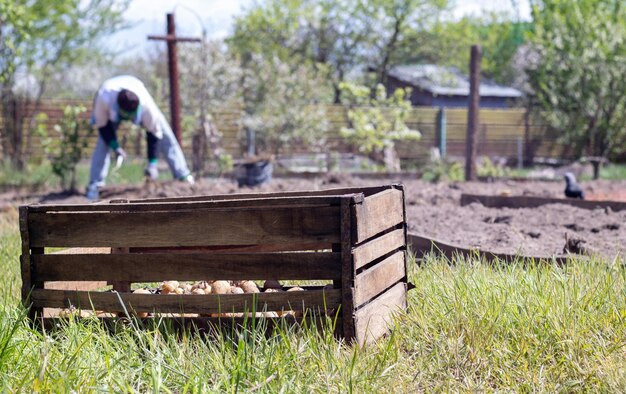
Growing Food and Ornamentals in Oklahoma City's Heat and Clay
Gardening in Oklahoma City requires working against two constants: summer temperatures that routinely exceed 95 degrees and soil that turns to concrete when dry. This guide covers what actually grows here, where to source plants and supplies, and how neighborhood microclimates affect your choices. You'll finish knowing which strategies separate Oklahoma City gardens from failed attempts elsewhere.
The Climate Reality
Oklahoma City sits in USDA hardiness zone 8a, which means winter lows average 10 to 15 degrees Fahrenheit. That's cold enough to kill some perennials sold at national chains but warm enough that winter dormancy is shorter than northern states. The real constraint is summer: the growing season compresses into a narrow window because heat stress arrives by July.
Soil here is alkaline clay with a pH typically between 7.5 and 8.0. This matters because it locks up micronutrients like iron and zinc that many ornamentals need, causing yellowing leaves even when the plant gets water. Adding sulfur takes months to shift pH meaningfully, so most successful Oklahoma City gardeners work around it rather than against it by choosing plants that tolerate or prefer alkaline conditions.
Rainfall is unreliable. Oklahoma City averages 35 inches annually, but that average masks wild swings; May through June can be wet enough to cause fungal disease, while August is often bone-dry. This inconsistency makes drip irrigation more cost-effective than in regions with predictable moisture.
Vegetable Gardening: Two Seasons, Not One
The common mistake is treating Oklahoma City as a single growing season. You actually have two: spring (February through May) and fall (August through November). Summer vegetables like tomatoes and peppers do grow June through August, but they produce poorly because heat above 90 degrees interferes with fruit set and increases pest and disease pressure.
Cool-season crops like lettuce, spinach, broccoli, and kale thrive in spring. Plant these in late February or early March; they'll mature before heat arrives. Fall crops often outperform spring because temperatures decline into the plant's optimal range, extending harvest into December. Tomatoes planted in July or August will produce into October when cooler nights return.
Okra is the exception that proves the rule. It's native to Africa and produces prolifically in Oklahoma City's brutal August heat. Plant it in late May and harvest continuously from July onward. Armenian cucumber (technically a melon) and yard-long beans also handle extreme heat better than standard beans.
Raised beds or containers give you control over soil composition, avoiding the alkalinity problem. Garden centers in Oklahoma City stock bags of topsoil and compost, but prices vary considerably. Home Depot and Lowe's locations throughout the metro area typically charge $3 to $5 per 2-cubic-foot bag; independent nurseries may charge more per bag but sometimes offer bulk delivery at better per-yard rates if you're filling multiple beds.
Ornamentals That Tolerate Alkaline Soil
Yaupon holly, a native shrub to the southeastern U.S., thrives in Oklahoma City's conditions and requires minimal water once established. Its small leaves stay dark green even in drought, and it produces red berries without requiring a male pollinator nearby. This makes it a practical alternative to imported hollies that often yellow and decline.
Esperanza (Tecoma stans) is a large shrub or small tree with bright yellow trumpet flowers that bloom June through frost. It's borderline hardy this far north (killed in severe winters below minus 15 degrees), but worth replanting if it dies because it flowers heavily the first year from new growth. Many Oklahoma City gardens in Edmond, Norman, and central Oklahoma City include esperanza as a seasonal feature rather than relying on it for permanent structure.
Flame acanthus (Acanthus pubinervus), native to Texas, produces orange-red flowers from July onward and attracts hummingbirds reliably. It dies back in winter but regrows from the root, so mature specimens produce thicker stems each year. Plant it in groups of three for visual impact; single specimens look thin.
Lantana flowers most of the summer in reds, oranges, yellows, and bicolors. The downside is that it attracts whiteflies and spider mites, especially if you overwater. Plant it in a location where you're willing to ignore it for weeks at a time. Lantana's tolerance for neglect and alkaline soil makes it a workable choice for corners of the yard you won't maintain closely.
Roses that perform here are old garden roses and shrub roses, not hybrid teas. Knockouts (the series name, not a plant type) are reliable repeat bloomers that tolerate Oklahoma City's heat better than grafted hybrid teas. Antique varieties like Knock Out and Double Pink Knock Out cost $15 to $25 at local nurseries versus $8 to $12 for standard landscape roses, but they'll flower through August when heat stops other roses entirely.
Where to Source Plants and Supplies
The Oklahoma City metro includes independent nurseries clustered in certain neighborhoods. Nichols Hills and the areas near Edmond have concentrations of locally owned nurseries that stock plants suited to local conditions. Staff at these nurseries know which varieties fail regularly in Oklahoma City's heat, whereas big-box stores stock what sells nationally without filtering for regional viability.
Local nurseries also carry soil amendments tailored to alkaline conditions. Iron chelate products ($8 to $15 per product) temporarily correct iron deficiency in alkaline soil, but repeated applications are necessary; a better long-term strategy is choosing plants that don't need correction.
The Oklahoma Botanical Garden and Arboretum in Arcadia (about 30 minutes northwest) maintains display gardens that demonstrate what actually performs here across seasons. Visiting in July shows you which plants have collapsed versus which are still producing; visiting again in October tells you about fall color and winter structure. Most plants on display are tagged with names and care requirements.
Watering Strategy and Timing
Hand-watering in summer often triggers fungal disease because wet foliage invites mildew and leaf spot, especially when heat prevents quick drying. Drip irrigation applied at soil level avoids this problem. Soaker hoses cost $12 to $20 for 50 feet and connect to standard spigots; they require less infrastructure than in-ground systems and allow you to test a garden layout before committing to permanent installation.
Early morning watering (5 to 7 a.m.) is superior to evening because it supports the plant through the heat of the day and allows any accidental foliage wetting to dry quickly. Watering in evening leaves moisture on leaves overnight, creating conditions for disease.
Mulch prevents soil temperature extremes and reduces evaporation, but 3 to 4 inches is the practical maximum; deeper mulch can trap moisture and cause root rot in clay soil. Shredded hardwood mulch costs around $30 to $40 per cubic yard delivered locally, and one cubic yard covers roughly 100 square feet at 3-inch depth.
Practical Takeaway
Start with a single raised bed or container garden in spring. Grow cool-season crops (lettuce, spinach, broccoli) through May, then replace them with fall crops in late August. This two-season approach gets you harvests without fighting summer heat and teaches you what works in your specific microclimate before expanding. Visit a local nursery rather than a national chain, and ask which plants they see fail regularly in Oklahoma City heat; that information is worth more than any generic plant tag.