80 Acres of Native Plants and Seasonal Design: What to Expect at Oklahoma City Botanical Gardens
The Oklahoma City Botanical Gardens occupies 80 acres in northeast Oklahoma City, split between cultivated display gardens and native plant areas that reflect the region's ecological character. This guide covers what grows there, how the space is organized, admission logistics, and how it compares to similar institutions in the region, so you can determine whether a visit fits your schedule and interests.
Layout and What's Actually There
The Gardens sit near the crossroads of Northeast 50th Street and Martin Luther King Avenue. The property divides into two distinct zones: the developed gardens clustered around the visitor center and a larger native plant preserve that comprises most of the acreage.
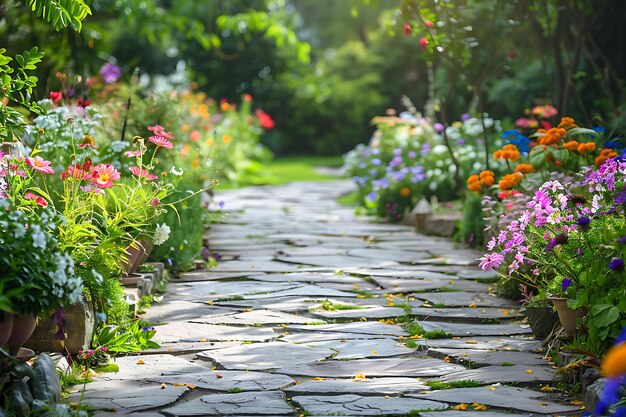
The cultivated gardens include a rose garden, a perennial border, a woodland garden, and seasonal displays that rotate with Oklahoma's growing calendar. Spring brings tulips and flowering trees. Summer emphasizes heat-tolerant perennials suited to the region's dry season. Fall plantings highlight ornamental grasses and late bloomers. Winter gardens tend toward evergreen structure and bark interest, since the cold months offer fewer flowering plants in Oklahoma.
The native plant preserve occupies the bulk of the 80 acres and functions as both a landscape feature and a working collection. This section includes prairie restoration, woodland understory plants, and riparian plantings along the creek that runs through the property. Unlike the manicured display gardens, the preserve reads as naturalistic. Paths wind through it, but the planting appears less domesticated. This matters if you're seeking photogenic rose beds versus ecological education.
Admission and Hours
General admission is $12 for adults, $10 for seniors, $6 for children ages 3 to 12, and free for children under 3. Annual memberships start at $65 for individuals. The Gardens are open year-round Tuesday through Sunday, 9 a.m. to 5 p.m., and closed Mondays. Hours extend to 7 p.m. on select summer evenings; check the website for current seasonal adjustments.
The visit typically takes 90 minutes to two hours if you walk both the display gardens and a portion of the preserve. Most visitors spend 45 minutes to an hour in the cultivated sections alone.
Comparison to Regional Alternatives
Oklahoma City has three major public garden spaces, each with different emphases:
Myriad Botanical Gardens (downtown, anchoring Myriad Gardens park) focuses on contemporary landscape design, water features, and urban accessibility. It covers 17 acres, charges no general admission, and emphasizes design and horticulture education for a city audience. The Crystal Bridge, an enclosed tropical conservatory, is the draw. This is better if you want designed landscapes, shorter visit time, or free entry.
Oklahoma City Botanical Gardens emphasizes native plants and ecological literacy alongside traditional ornamental gardening. It's less manicured than Myriad and larger, making it better for a longer outing or for visitors interested in regional plant communities. Admission required.
Will Rogers Park (northwest, in the Nichols Hills area) includes formal gardens, a rose garden, and the Conservatory greenhouse. It's free and older than both the Botanical Gardens and Myriad, with a historical character. The conservatory is smaller than the Crystal Bridge. This works for a casual family visit or for those already exploring the park's broader grounds.
For a serious horticultural visit focused on design, choose Myriad. For native plant interest and longer exploration, choose the Botanical Gardens. For rose gardens and free access, choose Will Rogers.
Practical Considerations
The Botanical Gardens have limited shade in the display garden sections, which matters in July and August when Oklahoma temperatures exceed 95 degrees regularly. The native plant preserve has more tree cover. Bring water. Most of the grounds are paved or chip-mulch paths suitable for strollers and wheelchairs, though the preserve paths are narrower and less universally accessible.
Parking is free and on-site. There is no food service inside the Gardens; a few restaurants operate within two miles in the surrounding neighborhoods, but none immediately adjacent.
The Gardens host evening events and special exhibitions seasonally, including plant sales and botanical art shows. These typically run May through October. Check ahead if these programs interest you, as they affect regular visiting hours and crowd levels.
Why This Matters for Arts & Entertainment Context
The Botanical Gardens function as a visual and ecological work, not just a recreational park. The design of the display gardens follows horticultural principles: color relationships, textural contrast, seasonal succession. The native plant preserve is a living archive of Oklahoma's indigenous flora. Both deserve the same critical attention you'd give to visual art or performance.
The Gardens also function as a venue for smaller cultural events and artist collaborations. Sculpture installations and botanical illustration exhibitions rotate through the property. These are worth monitoring if you're engaged with the local arts scene, since they represent a point of overlap between horticulture and contemporary practice.
The Takeaway
The Oklahoma City Botanical Gardens justify a visit if you're interested in regional plant ecology, seasonal ornamental design, or a two-hour outing with genuine visual payoff. They are not a quick stop; plan accordingly. The native plant preserve distinguishes them from Myriad Botanical Gardens' design focus. Admission is modest and competitive with similar institutions. Go in spring or fall for the most abundant blooms; summer requires heat tolerance, and winter rewards those seeking structural plant interest rather than color. Parking is free, and the site is accessible by car from downtown via I-44 and Northeast 50th Street.