What to Expect at Oklahoma City's Annual Airshow
The Oklahoma City Airshow brings military and civilian aircraft to Tinker Air Force Base each spring, drawing crowds interested in aviation history, aerobatic performance, and engineering. This guide covers what the event actually offers, how it fits into the city's arts and entertainment calendar, and practical details for attendance.
The Event and Its Place in OKC's Calendar
Unlike theater productions or gallery openings, the airshow operates at the intersection of spectacle, education, and civic infrastructure. Tinker Air Force Base, located southeast of downtown Oklahoma City near Midwest City, hosts the event typically in April, though dates shift annually. The base itself is significant to the region's identity: it employs roughly 26,000 people and functions as one of Oklahoma's largest employers. The airshow leverages this institutional presence while serving an audience broader than aviation specialists.
The event has become a recurring fixture in Oklahoma City's spring entertainment landscape, competing for attendance alongside the Festival of the Arts (held in Bicentennial Park downtown) and various gallery openings in the Paseo Arts District. Unlike those venues, the airshow requires no ticket purchase for general admission to the flight line viewing areas, though parking fees apply.
What the Airshow Delivers
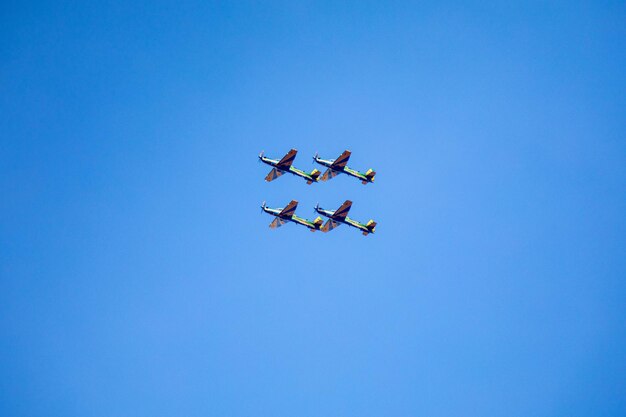
Flight Demonstrations. The core of the event centers on scheduled aerial performances. Military demonstration teams such as the U.S. Air Force Thunderbirds or Navy Blue Angels appear in certain years; their participation determines much of the crowd size. Smaller aerobatic teams fill out other time slots. These demonstrations typically run 90 minutes to two hours, with performers executing precision maneuvers, high-speed passes, and formation flying. The entertainment value depends partly on weather: poor visibility or high winds can cancel performances or limit what pilots can safely attempt.
Static Aircraft Displays. When planes are parked on the tarmac rather than flying, visitors can walk among them and sometimes speak with pilots or maintenance crews. These displays often include vintage military aircraft (World War II era planes, Korean War jets), modern transport planes, and helicopters. The static display appeals to people interested in engineering, history, or photography more than to casual spectators seeking pure performance.
Vendor Areas. Food trucks, beverage stands, and merchandise booths operate throughout the base. Prices are typical of events held on military installations: expect $15 to $20 for sandwiches or entrees, $5 to $8 for beverages. Bring cash; not all vendors accept cards. Sunscreen and hats are essential, as the flight line offers little shade.
Logistics and Practical Considerations
Getting There. Tinker Air Force Base requires base access. The Oklahoma City Airshow operates a shuttle system from designated parking areas. Arriving early, ideally two to three hours before the published start time, reduces wait times at entry gates. Driving directly to the base is not permitted for the general public during the event.
What You Can and Cannot Bring. Bags are subject to inspection. The base prohibits weapons, explosives, and certain electronic devices. Lawn chairs, blankets, and umbrellas are permitted, though some viewing areas have restrictions during flight demonstrations due to safety protocols. Check the airshow's official event information for the most current restrictions before attending.
Crowd Size and Experience Quality. Attendance varies dramatically depending on which military demonstration team is featured. When the Thunderbirds or Blue Angels participate, crowds often exceed 50,000 and parking becomes severely constrained. Attending during a year with smaller demonstration teams, or arriving very early, provides more comfortable conditions with shorter lines and less crowding.
Accessibility. Military bases have specific accessibility accommodations. Visitors with mobility challenges should contact the base or event organizers beforehand to arrange accessible parking and viewing areas.
How It Compares to Regional Alternatives
If you are seeking aviation-related entertainment in the greater Oklahoma City area, the airshow is the only large-scale annual event dedicated to flight performance and aircraft display. The Oklahoma City National Memorial and Museum and the Science Museum Oklahoma both contain exhibits related to Oklahoma's aviation heritage, but neither offers the live performance element. For spectacle and performance value, the airshow's flight demonstrations are unmatched locally.
For visitors primarily interested in military history and hardware without the airshow context, Fort Washita Historic Site (90 minutes south in Durant, Mississippi territory) and the Kershaw-Ryan Historic Site offer different kinds of military-related tourism, but neither focuses on aviation.
Seasonal Context
The Oklahoma City Airshow typically falls in April, when spring weather in central Oklahoma is unpredictable. Temperatures can range from 55 to 75 degrees Fahrenheit; afternoon thunderstorms are possible. Evening events sometimes occur on the second day, extending attendance options. The airshow competes for attention with the Festival of the Arts downtown, so planners should decide whether they prioritize arts programming or aviation spectacle when both occur near the same dates.
Practical Takeaway
Attend the Oklahoma City Airshow if you want to see military demonstration flying or explore parked aircraft up close, and if you are willing to arrive very early and spend several hours outdoors. Skip it if crowds exceeding 40,000 or military base logistics frustrate you. Confirm the specific date, which demonstration teams are scheduled, and current entry requirements before planning a trip, as these details shift each year and directly affect the experience quality.