Recording and Production Studios in Oklahoma City: Where to Work, What to Expect, and Which Fits Your Budget
Oklahoma City's recording infrastructure has consolidated around a small cluster of operational studios, each serving distinct project types and budget ranges. This guide covers what actually operates in the market, what you'll pay, and how the city's studio ecosystem compares to regional alternatives.
The Current Landscape
Oklahoma City supports roughly a dozen active commercial recording facilities, concentrated primarily in Midtown and the Plaza District. This is not a sprawling studio town like Nashville or Austin; the market is compact and competitive, which means facility owners tend to specialize rather than attempt broad appeal. Understanding that specialization matters more than sheer number of options.
The city has no prestige "destination studio" with national booking calendars. What exists serves primarily local and regional artists, corporate voiceover work, podcast production, and small-to-mid-scale album projects. This is actually useful information: it means rates stay regional rather than coastal, and you'll get time with engineers who understand the local music and production context rather than engineers cycling through big-name sessions.
Studio Types and Cost Structure
Full-service commercial studios with multitrack capability, mixing suites, and live room space typically charge between $40 and $75 per hour in Oklahoma City. This covers a mixing engineer and equipment access but usually not mastering. A three-day tracking session at an entry-level facility runs roughly $960 to $1,440 before tape, plugins, or additional services. Facilities in Midtown generally track at the higher end of this range; those in less centralized locations charge closer to $40 to $50.
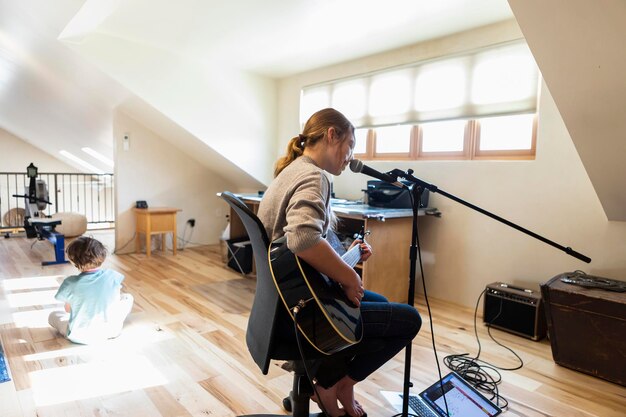
Project studios and smaller rooms run $20 to $40 per hour. These are often single-engineer operations, sometimes run from a converted bedroom or garage space with decent gear but limited isolation and no dedicated live room. Project studios work well for voice recording, acoustic overdubs, mixing, and demos. They do not work well for drum tracking or full-band live recording, where isolation between instruments matters.
Podcast and voiceover suites have emerged as a distinct category since 2018. Several facilities in Midtown now rent by the hour specifically for spoken-word recording, typically $25 to $35 per hour, and these rooms are configured for clarity on voice rather than music production. Turnaround is usually same-day or next-day editing included.
Evaluating a Studio: What Changes the Experience
Live room acoustics matter far more than equipment specs in a city where most studios own similar gear. Two studios with identical microphone and preamp lists will sound substantially different if one has a treated live room and the other does not. Ask to hear samples of drums, vocals, and acoustic guitar recorded in the space. Do not accept assurances that "it sounds great"; listen to actual session work.
Engineer experience in your genre is not universal. A studio known for corporate voiceover production may have a skilled engineer who has never tracked a full drum kit and has no reference for what good drum isolation sounds like. Ask specifically about recent projects in your genre and ask to hear them. This is the real variable in Oklahoma City's market.
Geographic convenience matters here more than in larger cities. The difference between Midtown (roughly 10 minutes from downtown, visible from I-235) and the Plaza District (northwest, near 23rd and Pennsylvania) is enough that artists often choose based on location. If you're tracking live drums over multiple days, proximity to your home or rehearsal space affects how much stamina you have left for takes.
Availability and booking flexibility vary sharply. Some studios operate on strict 9-to-5 schedules or require multi-hour minimum bookings. Others rent by the half-hour and stay open evenings. If you work a day job or play gigs at night, a studio with flexible late-evening or weekend slots is not a luxury; it determines whether you can actually use it.
When to Record Locally vs. Travel
Oklahoma City's studios are competitive for overdub and mixing work. Once you've recorded drums and bass elsewhere or tracked them live, moving mixing to a local room makes sense; you're not paying for the most expensive part (live tracking setup), and a good mixing engineer in Oklahoma City charges less than one in Dallas or Kansas City.
Full-band tracking for a debut album is the point where you may want to travel. The city's biggest limitation is not engineer skill but the absence of multiple world-class live rooms within walking distance. If you need to move from tracking drums to cutting bass to recording vocals without moving equipment or leaving the facility, you'll spend more time traveling between rooms here than you would in Austin or Nashville. This adds days to a project and erodes momentum.
For country, Americana, and pop projects, Oklahoma City engineers have strong local context. For metal, experimental electronic, or genres with less local production history, you may find more relevant reference points in regional hubs.
Practical Steps for Booking
Contact three studios in your preferred neighborhood. Do not ask generic questions about rates; ask specifically about availability in the month you want to work, what the engineer's last three projects sounded like, and whether you can listen to samples. Most studios now have Instagram accounts or basic websites; listen to uploaded work before calling.
Budget $200 to $300 for a pre-production meeting or short test session if you have not worked with that engineer before. One hour of tracking lets you hear how the engineer responds to your communication style and gives you samples of how your instruments sound in that room. This is worth the money.
If you're coming from out of state, the Midtown location offers the fewest logistics problems; most engineers there can recommend rehearsal spaces, equipment rental, and accommodations nearby. The city's music infrastructure outside the studio is thin, so clustering your sessions geographically saves time.
For ongoing work, negotiate a package rate if you're booking more than four hours per month. Most studios will reduce the hourly rate by 10 to 15 percent for regular clients, particularly if you book consistent day or evening slots that fill their calendar reliably.
Recording in Oklahoma City means working within a smaller market but also without the overhead costs and booking bottlenecks of bigger cities. Clarity on what you need, geographic placement, and direct listening to actual work will show you whether the right room exists here or whether the project demands travel.