Mosquito Control Services in Oklahoma City: What Works and What Costs
Mosquito control in Oklahoma City operates on a spectrum between DIY maintenance and professional treatment, with effectiveness varying sharply by neighborhood, season, and the method chosen. This guide covers what services exist, how much they cost, and which approach makes sense depending on your property size and tolerance for chemical applications.
Oklahoma City's mosquito season runs from May through October, peaking in July and August when humidity and standing water create ideal breeding conditions across the metro area. The city's prairie geography and older neighborhoods with varied drainage patterns mean some blocks remain mosquito-heavy while others stay relatively clear. Understanding which treatments work for your specific situation saves money and prevents the frustration of paying for services that don't match your property's actual problem.
Professional Treatment Services and Pricing
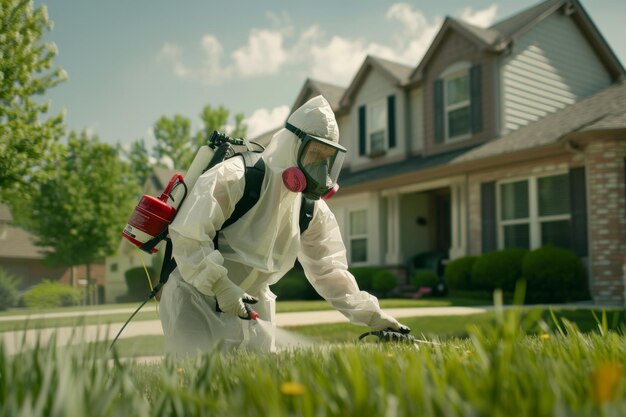
Mosquito Squad of Oklahoma City is one of the established franchises operating in the area, offering barrier spray treatments that target adult mosquitoes on residential and commercial properties. Their model involves applying EPA-registered insecticides to vegetation, structures, and ground cover where mosquitoes rest during the day. A single treatment for a typical residential lot in central Oklahoma City or the surrounding suburbs runs between $350 and $500, depending on property size and density of vegetation. They offer bi-weekly or weekly schedules during peak season, which reduces the per-visit cost but commits you to a seasonal contract.
The trade-off here is time investment versus chemical exposure. Barrier sprays kill mosquitoes on contact and provide about two weeks of protection, but they require you to stay indoors during application (typically 30 minutes) and involve residual chemicals on landscaping. Pets should be kept inside during treatment, and effectiveness drops after rain.
Local landscape maintenance companies throughout Oklahoma City, including those in Edmond, Norman, and the midtown corridor, often bundle mosquito spraying with seasonal yard services. Pricing through these bundled arrangements typically runs $200 to $300 per application, undercut slightly compared to standalone mosquito services because the crew is already on-site for other work. Quality varies significantly; confirm whether the company uses licensed applicators and carries liability insurance specific to pesticide application.
Do-It-Yourself Approaches and Their Limits
Homeowners in drier neighborhoods like Nichols Hills or parts of northwest Oklahoma City sometimes skip professional service entirely, relying instead on source reduction: eliminating standing water where mosquitoes breed. This approach costs nothing beyond standard yard maintenance but requires consistent attention. Check gutters, plant saucers, bird baths, and low spots in landscaping after every rain. In areas with clay soil or poor drainage common to older neighborhoods near Bricktown or along the North Canadian River, standing water persists despite efforts, making DIY control less effective.
Over-the-counter mosquito products sold at local hardware stores and garden centers range from $15 granular treatments you sprinkle in landscaping to $40 to $60 handheld foggers. These products work on the principle of a barrier treatment but at lower concentrations and with shorter residual time than professional applications. They require reapplication every 7 to 10 days and work best on smaller properties under 5,000 square feet. For larger lots or heavily vegetated yards, the cost and effort of repeated DIY applications often exceeds the price of two or three professional treatments.
Mosquito traps and CO2-based attractant devices have gained consumer attention but show mixed results in Oklahoma's environment. These devices lure and kill individual mosquitoes but do not provide area-wide reduction. They work better as monitoring tools to confirm mosquito presence than as standalone solutions, and they cost $150 to $400 per unit without reducing the need for other controls.
Seasonal Timing and Neighborhood Factors
The timing of your first treatment matters. Professional services recommend starting applications in late April or early May, before mosquito populations explode. Starting in June or July means you're treating an established population rather than preventing one, reducing overall effectiveness for the season. Neighborhoods near water features, including the Oklahoma River corridor, the zoo grounds, or areas with significant tree canopy, see longer and more intense mosquito seasons. Properties in these zones typically benefit from weekly rather than bi-weekly treatment schedules.
Drier neighborhoods like areas around Belle Isle or south Oklahoma City experience shorter effective mosquito seasons and lower population density, making bi-weekly or even monthly spot treatments sufficient.
Practical Decision Framework
For a 7,000 to 10,000 square foot residential lot in Oklahoma City with typical landscaping, budget $800 to $1,500 for a full season of bi-weekly professional treatments (May through September). Add another 10 to 15 percent if your property has significant tree cover or abuts a natural drainage area. Source reduction efforts, done consistently, can reduce this cost by one or two treatments per season.
If you have a smaller lot under 5,000 square feet and low vegetation density, DIY applications or bundled landscape service options work adequately. If your property borders the North Canadian River or sits in a neighborhood with poor drainage, professional weekly treatment during peak months provides better return on investment than less frequent service.
Start with source reduction regardless of which approach you choose. A single professional treatment applied to a property still producing mosquito breeding sites wastes money. Confirm gutters drain, plant saucers empty, and low spots in the yard don't hold water after rain. Then layer treatment on top of prevention, not in place of it.