Where Oklahoma City's Lake Recreation Meets Cultural Life
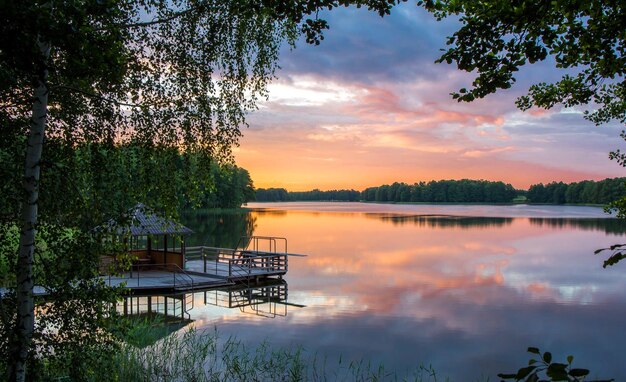
Lost Lakes, a 640-acre park straddling Canadian County and Oklahoma County northwest of Oklahoma City, operates at the intersection of outdoor recreation and the region's water-based cultural identity. This guide covers what Lost Lakes offers as a destination, how it compares to competing lakeside venues in the metro area, and what practical constraints shape a visit.
The park's primary draw is a pair of reservoirs fed by the North Canadian River. The larger lake spans roughly 100 acres and permits fishing, kayaking, and paddleboarding; a secondary 40-acre pool serves primarily as a settling basin but remains accessible to non-motorized watercraft. Unlike Thunderbird Lake near the Paseo Arts District, which is surrounded by established cultural venues and urban density, Lost Lakes sits in a semi-rural transition zone where the landscape still reads as extraction and agriculture interrupted by suburban sprawl. This distance from downtown means lower foot traffic but also fewer adjacent dining, gallery, or performance options.
Fishing and Water Access
The larger reservoir holds channel catfish, largemouth bass, and crappie. Oklahoma Department of Wildlife Conservation stocks the channel catfish annually; largemouth bass populations are maintained through natural reproduction and occasional restocking. No boat launch exists at Lost Lakes itself, which distinguishes it from Thunderbird Lake (which prohibits motorized boats entirely) and Oolagah Lake near Catoosa, 40 miles northeast, where a public ramp accommodates trailers. Access is foot-in only: wading, kayaking from the bank, or launching small craft by hand. This restriction appeals to anglers seeking a quieter experience but eliminates the possibility of larger fishing boats or jet skis that draw crowds to some Oklahoma lakes.
Catfish are most active in dawn and dusk periods, particularly May through September. Bass fishing peaks in spring and fall. A valid Oklahoma fishing license costs $22.50 for a three-day option or $47 annually for residents. No additional permit is required for Lost Lakes itself.
Kayaking and Paddling
The calm water and absence of motorized traffic make Lost Lakes suitable for kayakers and paddleboarders of beginner to intermediate skill. Water levels fluctuate seasonally; summer drawdown can reduce paddleable area by 20 to 30 percent. Winter levels are typically stable but water temperature drops below 50 degrees Fahrenheit from November through March, requiring a wetsuit for extended immersion. The shoreline offers no formal landing zones except at the parking area, so paddlers should plan out-and-back routes rather than loop circuits.
Comparison point: Thunderbird Lake, centered in the city near the Paseo district, spans 108 acres but prohibits motors and allows only kayaks, canoes, and paddleboards registered with the Parks and Recreation Board. Its urban setting means easier access to restaurants and galleries within a 10-minute walk, but the lake itself is smaller and often more crowded on weekends. Lost Lakes offers more solitude and a longer shoreline relative to surface area.
Picnic and Day-Use Facilities
The park includes a picnic area with tables, a small parking lot (capacity roughly 30 vehicles), and vault toilets. No concessions, rental equipment, or staffed facilities operate on-site. Visitors must bring food, water, and gear; the nearest gas station and convenience store are in Yukon, approximately 8 miles south via US-77A. Picnic tables are first-come, first-served and not reservable. Day-use is free.
Wildlife and Seasonal Ecology
The Canadian River floodplain supports cottonwood and willow stands, attracting waterfowl year-round and herons during spring migration. Great blue herons, great egrets, and occasional bald eagles appear November through March. Songbird activity peaks May through July. The area is also shared habitat for white-tailed deer, which are visible at dusk, and beaver, whose activity is evident in tree-chewing and damming along tributary channels. Poison ivy and cottonmouth snakes are present in riparian zones; stay on cleared paths and avoid tall grass at the waterline during warm months.
This ecological dimension appeals to birdwatchers and nature photographers seeking a location less manicured than Heritage Park or the Myriad Botanical Gardens, both of which sit within the urban core and emphasize cultivated landscapes.
Travel and Timing Logistics
Lost Lakes lies approximately 22 miles northwest of downtown Oklahoma City. Drive time from the Bricktown Entertainment District is 35 to 45 minutes via I-40 and US-77A. From Norman, the trip takes 30 to 40 minutes via US-77A. There is no public transportation serving the park. Parking is unattended and unsecured; theft from vehicles is not common but remains a possibility on isolated lots. Visiting early morning (before 9 a.m.) or on weekdays reduces congestion and the minor risk of break-ins.
Weather is the primary seasonal constraint. Summer temperatures regularly exceed 95 degrees Fahrenheit; hydration and shade are critical. Spring (April to May) and fall (September to October) offer comfortable conditions. Winter is passable but cold. Late June through August can be muddy following afternoon thunderstorms, which are frequent in Oklahoma.
Comparison to Other Regional Lakes
Thunderbird Lake (108 acres, urban location, no motors, free day-use) suits visitors prioritizing proximity to galleries, museums, and restaurants. Lost Lakes (140 acres combined, semi-rural, motors prohibited, free day-use) serves those seeking quieter water and lower crowds. Oolagah Lake (1,150 acres, motorized boats welcome, 40 miles away) appeals to recreational boaters and families wanting diverse activity options in one location. Webbers Falls Lake (far southeast, 3,600 acres) is larger but requires a 90-minute drive from downtown.
For arts and culture integration, only Thunderbird Lake and nearby Myriad Botanical Gardens offer walkable cultural programming. Lost Lakes is a standalone recreational destination without adjacent venues, galleries, or performance spaces.
Practical Takeaway
Lost Lakes serves anglers, kayakers, and wildlife observers seeking accessible water and natural surroundings without paying admission or dealing with heavy use. It is not a destination for motorboats, rentals, dining, or cultural programming. Plan a full-day trip with self-contained supplies, avoid peak summer heat and muddy spring periods, and expect a 35 to 45-minute drive from downtown. The value proposition is solitude and free access, not convenience or amenities.