Where to Find Art and Architecture with a Lighthouse Theme in Oklahoma City
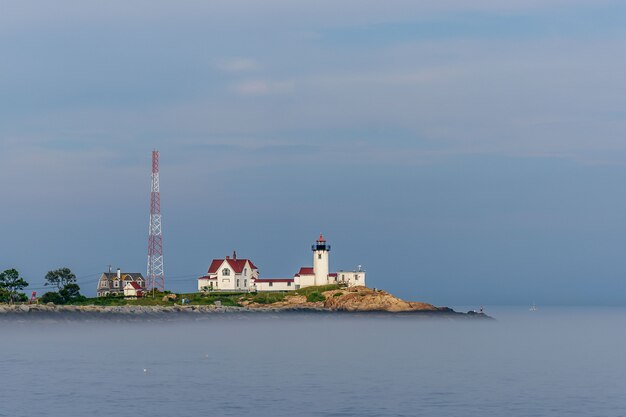
Oklahoma City has no actual lighthouse. The state sits in the Great Plains, landlocked and flat, which makes any lighthouse reference here either sculptural, thematic, or historical. This guide covers where that symbolism appears in the city's arts offerings and why it matters to the local creative landscape.
The most direct encounter happens at the Oklahoma City Museum of Art in Midtown, where rotating exhibitions occasionally feature maritime and navigation themes alongside contemporary work. The museum's permanent collection doesn't center on lighthouses, but its curatorial approach means thematic shows tied to industrial heritage, wayfinding, or coastal influence cycle through. Admission runs $15 for adults, $12 for seniors and students, and the museum is closed Mondays. The building itself, designed by Rand Elliott, uses glass and steel in ways that reference beacon-like structures and navigation metaphorically. Knowing the exhibition schedule matters here because lighthouse-specific shows don't run year-round; the museum's website lists current and upcoming exhibitions by theme.
Outside formal museum space, public art installations in the Bricktown district occasionally include nautical or directional elements. The canal-centered Bricktown Arts District, built around a reclaimed waterway downtown, hosts seasonal sculpture exhibits and performances that sometimes play with water, light, and wayfinding as artistic concepts. This is where theme becomes more implicit. Artists responding to the canal environment have created work about navigation, reflection, and guidance, even without literal lighthouse imagery. The district's programming changes seasonally, and public art pieces rotate; checking the Bricktown Association's calendar helps identify what's currently on view.
The Paseo Arts District, just north of downtown near the Stockyard City boundary, operates as Oklahoma City's primary gallery cluster. Galleries here frequently feature artists working with industrial materials, abandoned structures, and infrastructure as subject matter. Lighthouse imagery connects to these interests because lighthouses represent functional structures elevated to symbolic status, a tension many contemporary artists explore. First Friday art walks through the Paseo happen monthly, with galleries staying open late and often showcasing new work. No admission fees apply to most gallery spaces.
For architectural study, the Skirvin Hotel in downtown Oklahoma City, built in 1911, contains period details and finials that reference lighthouse and beacon design language, though the building's official purpose was residential and commercial. Similarly, the Colcord Building, completed in 1910 and designed by Joseph Foucart, incorporates turrets and vertical emphasis that draw from navigational architecture. These buildings show how early 20th-century Oklahoma City architects borrowed from maritime design vocabulary even in a landlocked setting, reflecting broader American aesthetic currents.
The Oklahoma City National Memorial & Museum, while not directly focused on lighthouses, uses light as a core symbolic and architectural element. The reflecting pool, the Survivor Tree, and the evening Illumination Ceremony at 9 p.m. daily make light and beacon imagery central to how visitors experience the space. Admission is free. The design intentionally guides visitors through narrative space using light and shadow, a technique borrowed from maritime wayfinding traditions.
For readers interested in the historical side, the Oklahoma History Center, located at 800 Nazih Zuhdi Drive in the Heritage Hills area, maintains collections on early Oklahoma settlement, navigation routes, and the symbolic weight of lighthouses in American expansion mythology. Staff can direct researchers to materials on how Great Plains communities adopted lighthouse imagery in architecture and civic symbolism despite geographic distance from water. No admission fee.
Community theaters in Oklahoma City occasionally produce plays or musicals with maritime or lighthouse themes. These rotate on an annual basis. The Lyric Theatre in downtown Oklahoma City and smaller venues in the Paseo often announce seasons in late spring, allowing advance planning. Production details vary widely by year.
The practical takeaway: Oklahoma City's relationship to lighthouse imagery is indirect and thematic rather than literal. Readers seeking lighthouse content should approach it as a symbolic lens on navigation, guidance, and infrastructure, not as a geographic category. The Museum of Art's rotating exhibitions, the Paseo's gallery programming, and the architectural details of downtown buildings offer entry points. Planning a visit around the Museum of Art's current exhibition schedule, combined with a monthly First Friday walk through the Paseo, gives the clearest picture of how this symbol functions in local artistic practice. Check venue websites ahead of visiting, as programming changes quarterly.