Neighborhood Grocery Mart in Oklahoma City: Quick Stop for Household Basics and Prepared Food
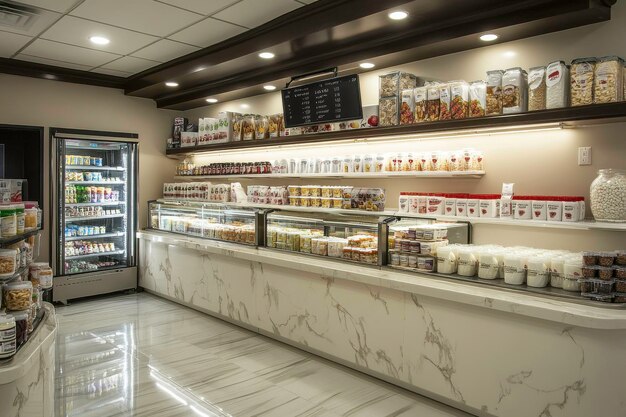
Neighborhood Grocery Mart functions as a small-format convenience grocer positioned between a traditional grocery store and a gas station market, stocking staple pantry items, dairy, frozen goods, and a limited prepared food counter in a compact storefront footprint suited to quick trips rather than full weekly shopping.
What Neighborhood Grocery Mart Actually Is
This is an independent convenience grocery, not a chain, operating as a neighborhood-scale alternative to larger supermarkets. The store carries condensed inventory across core categories: canned goods, pasta, rice, cooking oils, bread, milk, eggs, frozen vegetables, and ice cream. A prepared food section offers items like fried chicken, hot sandwiches, and sides during daytime hours, making it useful for lunch purchases or meal components when a full grocery run is impractical. The physical space is roughly 2,000 to 3,000 square feet, organized in narrow aisles typical of convenience retail.
Services, Menu, and Pricing
Prepared food pricing typically falls between $6 and $12 per item for individual entrees like chicken quarters or sandwich combinations. A two-piece chicken dinner runs around $8 to $10. Hot case items vary by availability, with sandwiches and sides rotating seasonally. Grocery staples carry markups consistent with independent convenience stores; milk prices are generally 10 to 20 cents higher per gallon than large-chain supermarkets like Walmart Supercenter or Crest Foods, reflecting smaller purchasing power. Confirm current pricing and food availability by phone, as prepared food menus shift with staff and supplier schedules.
The store does not offer services like check cashing, lottery, or ATM machines standard at many gas station convenience stores.
How It Compares to Other Oklahoma City Convenience Options
Neighborhood Grocery Mart occupies a middle ground. Versus national chains like Circle K or Valero, it stocks a wider fresh-grocery selection and operates a hot food counter, making it more practical for actual meal assembly. Versus full-size grocers like Crest Foods or Albertsons, it trades breadth of choice for proximity and speed; you come here when you need milk and eggs today, not to plan a week's meals. Versus specialty convenience stores focused on premium or ethnic products, it remains generic and mainstream. Choose Neighborhood Grocery Mart when you live or work within a mile and need basics or lunch without driving across town; choose a supermarket for price-sensitive bulk shopping; choose a gas station market if you are buying only beverages or snacks.
Who It Suits and Who It Does Not Suit
This store works best for residents in nearby residential blocks who make frequent small trips, professionals grabbing lunch near their workplace, and anyone needing a specific staple without a car trip to a major grocery chain. It does not suit budget-conscious shoppers comparing unit prices across ten competitors or households buying in bulk. It does not serve dietary specialists seeking organic, gluten-free, or international products beyond standard grocery basics.
What the First Visit Involves
Expect a walk-in format with no membership or registration. Prepared food is ordered at a counter during daytime hours (confirm current food service hours before visiting). Self-checkout and staffed registers both operate. Parking is typically on-street or a small adjacent lot; do not assume dedicated off-street spaces.
Hours, Parking, and Logistics
The store operates six or seven days per week. Exact hours and prepared food service times change seasonally and with staffing; confirm by phone before planning a lunch stop. Parking capacity is limited; expect street parking or small lot access typical of neighborhood retail corridors, not major-shopping-center infrastructure.
Neighborhood Grocery Mart serves the practical function of a local grocery without requiring a trip to distant supermarkets, justified by its food counter and proximity-based utility rather than breadth or lowest-price positioning.