Dr. Michael H. Tate in Oklahoma City: Comprehensive Eye Exams and Medical Optometry Services
Michael H. Tate is an optometrist in Oklahoma City who provides full-scope eye care including medical evaluations, contact lens fitting, and prescription management. His practice sits within Oklahoma City's optometry market, where independent practitioners compete alongside corporate chains and larger multi-specialty eye centers.
What Michael H. Tate actually is
An optometrist differs from an ophthalmologist: Tate holds an O.D. (Doctor of Optometry) and can perform comprehensive eye exams, prescribe glasses and contact lenses, diagnose common eye conditions, and treat certain diseases with medication. He cannot perform surgical procedures. For conditions requiring surgery (cataracts, LASIK, retinal detachment), patients are referred to an ophthalmologist.
Michael H. Tate operates as a solo or small-group practice focused on medical optometry rather than dispensary-heavy retail. This model means the emphasis is on diagnostics and therapeutic care rather than an on-site frame and lens inventory, though eyewear recommendations are still part of the visit.
Services and what to expect regarding cost
Standard comprehensive eye exams in Oklahoma City typically range from $100 to $200, depending on complexity and testing. Contact lens fittings add $75 to $150 if billed separately. Prescription glasses average $150 to $400 depending on frame and lens type; contact lenses (monthly or daily disposables) cost $25 to $60 per box of 6 or 30 lenses depending on brand and prescription complexity. Vision insurance plans often reduce these costs by 15 to 50 percent; specific copay and coverage details vary by plan.
Verify current fees directly with the practice, as insurance network status and billing structures can shift.
How Michael H. Tate compares to other Oklahoma City optometry options
Oklahoma City's optometry landscape includes three main categories. Independent practitioners like Tate offer continuity, often longer appointment times for detailed histories, and fewer upsells. National chains (Pearle Vision, LensCrafters, Warby Parker optical) provide convenient locations, competitive pricing, and same-day dispensing but higher volume and less personalized follow-up. Larger multi-specialty eye centers (affiliated with ophthalmology practices or hospital systems) handle complex cases and comanagement but may feel more clinical.
Choose an independent optometrist if you have an established relationship, a complex prescription, or eye disease requiring detailed monitoring. Choose a chain for quick service and on-site frames. Choose a multi-specialty center if you have been referred for potential surgical evaluation or high-risk conditions.
Who benefits from this practice and who does not
Michael H. Tate's model works well for patients seeking ongoing medical eye care, those with diabetes or glaucoma requiring regular monitoring, contact lens wearers who need fitting expertise, and anyone preferring continuity with one provider. It is less ideal for patients wanting to buy frames immediately after an exam (independent practices typically do not stock full inventories) or those strictly prioritizing lowest-cost, fastest transaction.
What the first visit involves
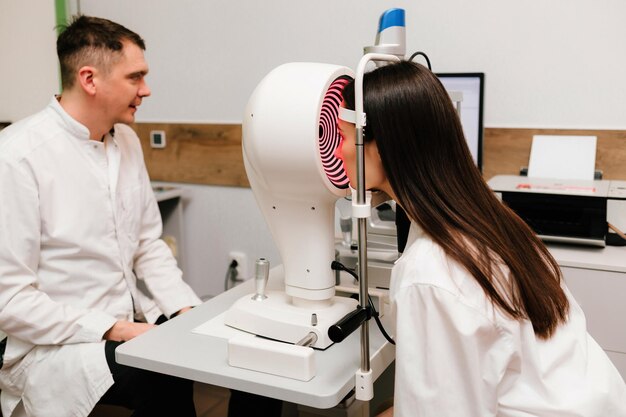
A first appointment includes a case history covering eye health, medications, family history, and current vision concerns. The optometrist performs a visual acuity test, refraction (to determine the correct prescription), eye pressure measurement (tonometry), and external and internal eye examination using specialized equipment. If contact lenses are being fitted, a lens curvature measurement and trial lens fitting will follow. The appointment typically lasts 45 to 60 minutes.
Bring your insurance card and a list of current medications. If you wear contacts, bring your current lens box so the power and brand are on hand.
Hours, location, and parking
Verify current hours with the practice directly, as optometry offices often adjust schedules seasonally or for continuing education.
Michael H. Tate's practice is accessible by car within Oklahoma City; parking details depend on the exact location. Most independent optometry practices occupy professional office buildings or medical plazas with dedicated or shared lots. Call ahead to confirm accessible parking if needed.
Why this practice belongs in an Oklahoma City guide
Independent optometrists like Michael H. Tate fill a distinct role in Oklahoma City's health landscape: they provide continuity of care and diagnostic expertise for common eye disease management without the friction of large systems or the transactional feel of retail optical chains. For residents managing chronic eye conditions or seeking a single trusted provider for routine eye care, the practice offers a meaningful alternative to corporate optometry.