McBride Optometric Clinic in Oklahoma City: Comprehensive Eye Exams and Local Eyewear
McBride Optometric Clinic is a full-service optometry practice in Oklahoma City offering comprehensive eye exams, glasses, and contact lenses. It operates as an independent practice, meaning it is not part of a national chain and maintains direct control over its patient care model, appointment scheduling, and frame selection.
What the clinic actually does
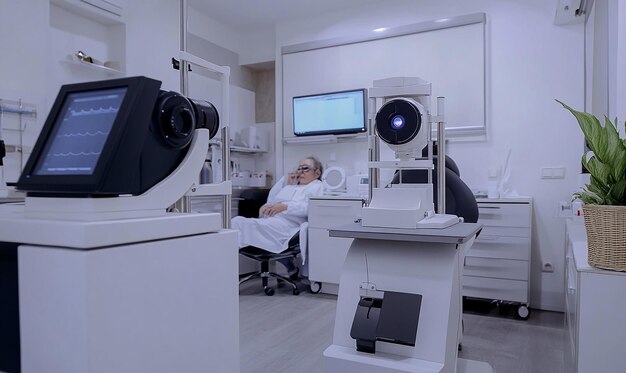
McBride Optometric Clinic performs diagnostic eye exams using standard and digital testing equipment to assess vision, screen for common eye disease (glaucoma, cataracts, diabetic retinopathy), and evaluate eye health. The practice then fits and dispenses corrective lenses—both glasses and contacts—on-site. This integrated model means a patient can complete an exam and walk out with new eyewear the same day if frames are in stock, rather than waiting for lab processing elsewhere.
The clinic does not perform surgical procedures such as LASIK or cataract surgery; referrals to ophthalmologists are provided when surgery is needed. The practice is small-scale, with one or two doctors and a modest staff, typical of independent optometry clinics in Oklahoma City.
Services and pricing
A standard comprehensive eye exam at McBride typically costs between $100 and $150, depending on whether additional imaging (optical coherence tomography or visual field testing) is included. This range aligns with independent optometrist pricing in Oklahoma City; chain retailers like Walmart Vision Center and LensCrafters often quote exams between $70 and $130, though promotional pricing varies. The clinic accepts most major vision insurance plans; patients should confirm their specific coverage before the visit, as out-of-pocket costs vary widely with insurance type and copay structures.
Eyeglass frames start around $80 for basic stock frames and range to $300 or more for designer labels. Lens costs depend on prescription complexity and coating options (anti-reflective, blue-light filtering, progressive lenses). Single-vision plastic lenses typically run $50 to $150; progressive bifocals range $150 to $300. Contact lens exams, a separate service, cost approximately $50 to $75 in addition to the standard eye exam; contact lens fittings are sometimes billed separately as well, depending on lens type and complexity.
Specific current pricing should be verified by calling the clinic directly; promotional pricing for new patients or seasonal discounts can adjust these figures.
How McBride compares to other Oklahoma City optometrists
Independent optometry practices like McBride offer a different experience than chain-based optometry centers. At an independent clinic, the same optometrist typically sees patients across multiple visits, enabling continuity of care and familiarity with personal eye history. A single doctor may spend slightly more time on intake and testing, and frame selection is often curated rather than high-volume. Trade-off: independent clinics usually have fewer frame styles in stock than large retailers.
Walmart Vision Centers and similar box-store optometries prioritize speed and cost; exams often run 20 to 30 minutes and frame selection is broad but self-directed. National chains like LensCrafters and Target Optical offer Saturday hours and multiple locations, which McBride as a single independent practice does not. For routine exams and straightforward prescriptions, the difference in outcome is minimal. McBride suits patients who value sustained relationships with their eye doctor or who prefer a quieter, less commercial setting during an exam. It works less well for patients requiring same-day eyewear with extensive frame browsing or those who need evening or weekend hours.
Ophthalmology groups in Oklahoma City (such as those affiliated with Dean McGee Eye Institute or Oklahoma Eye Associates) handle complex disease management and surgery; they are appropriate for patients with glaucoma, macular degeneration, or post-surgical care, but not typically for routine refractive exams.
Who McBride suits and who it does not
McBride is a fit for established patients who want continuity and a familiar eye-care provider, patients with basic refractive errors (myopia, hyperopia, astigmatism) needing routine exams, individuals already wearing contacts or glasses seeking updated prescriptions, and patients who prioritize a less rushed office environment.
It is a poor fit for patients needing urgent same-day eyewear outside normal hours, those requiring specialist disease management (complex glaucoma, corneal disease), and patients shopping for the lowest-cost exam across retailers.
What the first visit involves
A new patient visit typically lasts 45 to 60 minutes. The first appointment includes a health history intake (questions about eye problems, general health, medications, and family eye disease), visual acuity testing using a standard eye chart, refraction (determining your lens prescription), tonometry (glaucoma screening via eye pressure measurement), and ophthalmoscopy (examination of the retina and optic nerve). The optometrist discusses findings, answers questions about the prescription, and reviews eyewear or contact lens options if correction is needed.
Some patients leave with a written prescription to fill elsewhere; others order frames and lenses on-site. Expect to discuss insurance coverage and out-of-pocket costs before ordering.
Hours, parking, and logistics
McBride Optometric Clinic is located in Oklahoma City; confirm current hours and parking details by phone or website, as small practices sometimes adjust schedules seasonally or for professional meetings. Most independent optometry practices in the city operate Monday through Friday, 8 a.m. to 5 p.m., with limited or no Saturday availability; verification is essential before scheduling.
Parking is typically street or lot parking at or near the office, not valet. Allow 15 minutes before your appointment to account for check-in and paperwork.
McBride Optometric Clinic fills a straightforward but important role in Oklahoma City's eye-care landscape: consistent, attentive vision correction and screening for patients whose needs do not require ophthalmology. Its value lies in offering the diagnostic accuracy of an optometrist with the convenience of same-location eyewear dispensing.