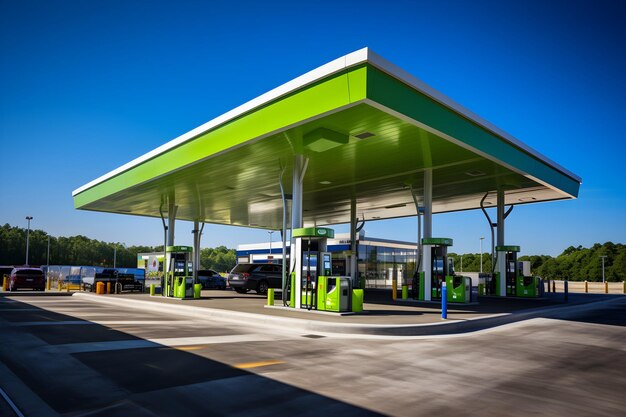
Roadies II City Mart in Oklahoma City: Convenience and Fuel in One Stop
Roadies II City Mart is a combined fuel station and convenience store located in Oklahoma City, stocking gasoline, diesel, and a modest grocery and snack selection typical of independent city-market operators rather than national chains. It serves commuters and local traffic needing quick fuel and grab-and-go items without the scale or pricing structure of major branded stations.
What Roadies II City Mart actually is
Roadies II operates as a standalone convenience retailer attached to fuel pumps, a format common in Oklahoma City neighborhoods where independent operators compete alongside Circle K, Loves, and Love's Travel Stops. The store itself is small, focused on transaction speed and essentials rather than the expanded food courts or loyalty programs of larger chains. Fuel grades and diesel availability match regional standards; the convenience section carries cigarettes, energy drinks, coffee, snacks, and basic grab items. It does not include a restaurant, car wash, or tire service.
Fuel pricing and convenience inventory
Roadies II prices gasoline competitively within Oklahoma City's market range, typically within 5 to 10 cents per gallon of major-chain averages, though fuel costs fluctuate daily. Current price data should be verified at the pump or by calling ahead, as fuel pricing changes hourly. The store stocks standard coffee, fountain drinks, packaged snacks, tobacco, lottery tickets, and household items like paper towels and cleaning supplies. Inventory skews toward impulse purchases and road-trip supplies rather than fresh food or prepared items. No rewards program, app, or loyalty pricing is offered.
How Roadies II compares to other Oklahoma City fuel and convenience options
Oklahoma City drivers choose between independent operators like Roadies II and larger networks. Circle K locations (over 40 across the metro) offer consistent pricing, app-based discounts, and rewards tiers, though margins are narrower and per-unit inventory smaller. Love's Travel Stops cater to truck traffic with larger stores and extended hours but typically sit on highways rather than in-city neighborhoods. Loves stations also carry prepared food and amenities like shower facilities, irrelevant for city-stop fuel runs. Roadies II suits drivers already in the neighborhood who prioritize convenience and accept thinner selection. Circle K wins for those seeking loyalty rewards or standardized pricing guarantees. Love's serves highway and truck-focused stops.
Who Roadies II suits and who it does not
Roadies II works for neighborhood residents and short-trip commuters who value proximity and simple transactions over brand standardization or program benefits. It does not suit drivers seeking fresh food, car services, or app-based discounts. Drivers making planned fuel purchases often prefer Circle K's rewards structure or predictable pricing. Long-haul or truck drivers will find Love's Travel Stops more appropriate for facilities and inventory depth.
What the first visit involves
Roadies II operates a self-serve pump model standard across Oklahoma City; customers select grade and payment method at the pump or inside, complete the transaction, and enter the store if purchasing convenience items. No attendant handles fuel sales. The store entrance and aisles are compact; a first visit takes under five minutes for fuel only. Parking is on-site but limited; the lot typically accommodates 10 to 15 vehicles. No restroom access is guaranteed without purchase (confirm on call).
Hours, parking, and logistics
Roadies II operates extended but not 24-hour hours; verify current hours by phone, as independent station hours shift seasonally and by staffing. Pumps are accessible outside posted hours via card payment where enabled. Street parking is not an option; all fuel and store access depends on the on-site lot. The location is accessible by standard personal vehicles only; no truck-specific bays or oversized-vehicle accommodation exist.
Roadies II City Mart fills a local need where neighborhood convenience outweighs national brand standardization, making it a practical choice for regular commuters and nearby residents rather than a destination stop.