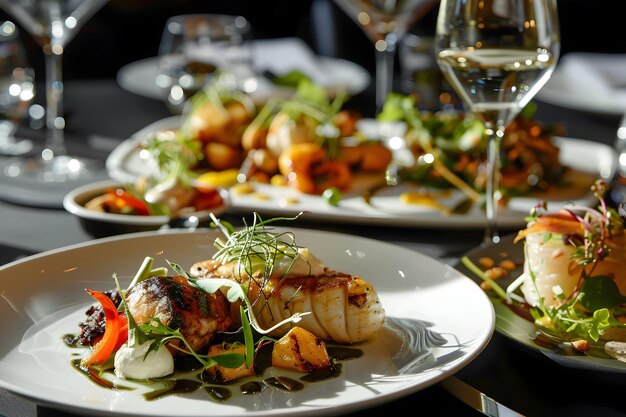
What Good Egg Dining Group Brings to Oklahoma City's Restaurant Scene
Good Egg Dining Group operates multiple restaurant concepts across Oklahoma City, each with a distinct format and price point. This guide explains what each venue offers, where they're located, and how they fit into the broader dining landscape of the metro area, so you can choose based on your occasion, budget, and neighborhood.
Good Egg Dining Group's portfolio reflects a deliberate strategy: casual, ingredient-focused dining at accessible price levels, concentrated in established neighborhoods rather than spread across suburban locations. The group owns and operates venues that emphasize breakfast and brunch service alongside lunch and dinner, a positioning that matters in a market where brunch culture has grown significantly since 2015 but remains unevenly distributed across OKC's districts.
The Core Locations and Concepts
The group's flagship presence centers on Midtown and Bricktown, two neighborhoods with dense foot traffic, residential density, and established dining reputations. Midtown, bounded roughly by NW 23rd Street and NW 36th Street between Western and Penn, has become the primary concentration zone for independent and chef-driven restaurants in Oklahoma City over the past decade. Bricktown, the downtown entertainment district east of the Civic Center, attracts both tourists and office workers on weekdays.
Good Egg venues in these areas operate with open kitchen designs and visible food preparation. This transparency serves a practical function: it reduces perceived wait times during service rushes and allows diners to see portion sizes and plating before ordering. In Oklahoma City's market, where many casual dining chains still use closed kitchen layouts, this design choice registers as a signal of confidence in food quality.
Breakfast and brunch service, historically secondary in Oklahoma City dining outside of hotel restaurants and chain establishments, forms a significant revenue stream for Good Egg concepts. The group's brunch menu typically runs from opening through mid-afternoon, a longer window than typical breakfast service at independent spots. This matters for scheduling: if you're planning a late brunch on a weekend, you'll likely find availability at a Good Egg location where other neighborhood restaurants may have already shifted to lunch-only service.
Price Structure and Menu Strategy
Good Egg venues operate in the $12 to $18 per entree range for lunch and dinner, with breakfast items at $9 to $14. This positions them above fast-casual chains like Chipotle or Panera (which run $10 to $13 on average in OKC) but below white-tablecloth establishments or destination restaurants in the Paseo Arts District, where entrees often exceed $25. The pricing reflects ingredient sourcing: menus change seasonally and note local suppliers in some cases, a transparency practice uncommon among casual restaurants in Oklahoma City.
Beverage programs at Good Egg locations include locally roasted coffee for morning service and craft cocktails during lunch and dinner. Cocktail pricing typically falls between $10 and $14, competitive with other independent bars in Midtown and downtown OKC. The coffee sourcing varies by location; confirm directly if sourcing origin matters to your choice.
Differentiation from Competitors
Oklahoma City's casual dining market includes several direct competitors to Good Egg's positioning: Ellerbeck Cafe (longtime Midtown fixture, breakfast and lunch only, narrower menu), various chef-driven spots in the Paseo Arts District (higher price point, dinner-focused), and national chains with Oklahoma footprints. Good Egg's specific advantage is consistency across multiple locations without franchising. When a restaurant group operates its own venues rather than licensing franchises, food quality and kitchen standards tend to remain more uniform. This matters in a market where diners may visit different Good Egg locations across OKC.
Menu overlap and kitchen standardization do create trade-offs. Independent restaurants with single locations often feature more experimental or personalized menus. Good Egg's multiple venues require menu engineering: dishes must travel well, hold quality during service rushes, and appeal across demographically diverse neighborhoods. The result is refined comfort food rather than avant-garde cuisine.
Neighborhood Context
Midtown's dining density has created an informal restaurant cluster effect. Within a five-block radius, diners can choose between cuisines, price points, and service styles without traveling significantly. This clustering benefits Good Egg by reducing friction: customers already in the neighborhood for other purposes encounter the restaurants and decide to dine there. It also increases competition, which typically drives menu quality upward.
Bricktown's character differs markedly. Entertainment-focused, with high tourist volume and office workers on weekdays, Bricktown dining has historically skewed toward volume-focused restaurants and bars. Good Egg's presence there introduces ingredient-focused casual dining to a neighborhood that previously lacked it, filling a gap between high-end hotel restaurants and casual chains.
Practical Considerations for Visit Planning
Good Egg locations accept reservations, a practice worth using during peak weekend brunch hours (9 a.m. to noon on Saturdays and Sundays), when walk-in waits can exceed 30 minutes across multiple Midtown restaurants. Lunch service (11 a.m. to 2 p.m. weekdays) typically moves faster, with shorter waits and faster table turns.
Parking varies significantly by location. Midtown venues offer street parking and nearby lots; factor in a 5 to 10 minute walk from some lot locations. Bricktown locations include dedicated parking, a practical advantage during evening service when street parking becomes constrained.
The group's approach to casual dining positions it as a reliable intermediate choice in Oklahoma City's restaurant hierarchy: more intentional than chains, more accessible than destination fine dining, consistent across multiple visits and locations.